



Amtrak forms 'Blue Ribbon Panel' to address Chicago rail gridlock
Panel members on the Chicago Gateway Initiative include Jack Quinn, former U.S. Congressman and past chairman of the U.S. House Railroads Subcommittee; Linda Morgan, former chair of the Surface Transportation Board; and Tom Carper, Amtrak board member and past chairman.

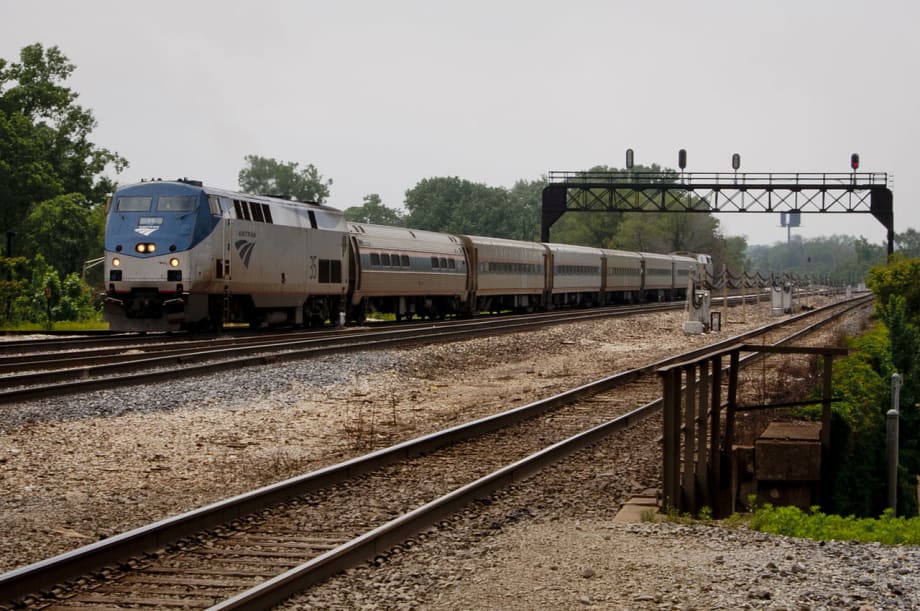
Panel members on the Chicago Gateway Initiative include Jack Quinn, former U.S. Congressman and past chairman of the U.S. House Railroads Subcommittee; Linda Morgan, former chair of the Surface Transportation Board; and Tom Carper, Amtrak board member and past chairman.
The freight railroads, which operate in Chicago and other stakeholders will be invited to participate in panel activities and are key to implementing recommended solutions. Because Chicago is the hub of the U.S. rail network, and the key gateway between East and West rail traffic, gridlock in the Chicago area is causing major delays throughout the U.S.
The congestion problem is caused by a combination of rising demand on the East Coast for more intermodal freight and crude oil shipments, which originate west of Chicago, underinvestment in critical rail infrastructure that produces public benefits and short-term capital projects that create additional temporary bottlenecks.
The panel is charged with identifying and evaluating infrastructure investments and operational actions that will optimize Amtrak on-time performance and improve freight rail service. Its objectives are to minimize disruptions and delays, and accelerate the construction of infrastructure projects.
A final report on recommendations is expected by the end of May 2015.
Chicago is Amtrak’s most important hub and many of its trains that operate to and from the city are suffering from poor on-time performance, dispatching issues and high levels of freight train interference.
For example, delays of four hours or more for Amtrak trains operating between Chicago and Cleveland have become a near daily occurrence. These and other major delays have ripple effects across the Amtrak national system.
If Amtrak trains, which have statutory dispatching priority over freight trains, cannot be moved efficiently through the nation’s principal rail hub, then freight shipments will continue to be slowed by gridlock as well.
The CREATE program has been a concerted effort by freight rail roads, Amtrak and other stakeholders to address rail congestion issues in Chicago and it has achieved several successes.
The Chicago Gateway Initiative will build on the CREATE program by re-energizing the conversation, stimulating new discussion about next steps for securing funding to implement CREATE projects and seeking to improve cooperative efforts among the railroads.
More Management

From Surviving to Thriving: Building Stronger Transportation Organizations
Bus Business Consultants founder Brian Dickson shares lessons on leadership, organizational health, and creating options for long-term success in a changing transportation industry.
Read More →
Everett Transit, Community Transit Outline Consolidation Agreement
The proposed agreement calls for a 50% increase in bus service in Everett, a new microtransit zone, continued paratransit service, and the transfer of Everett Transit operations to Community Transit.
Read More →
Strada360’s Steve Lassey on Turning Transit Data Into Better Decisions
From breaking down data silos to preparing for AI, Strada360 CEO Steve Lassey discusses how transit agencies can use technology to improve operations, customer information, and long-term decision-making.
Read More →
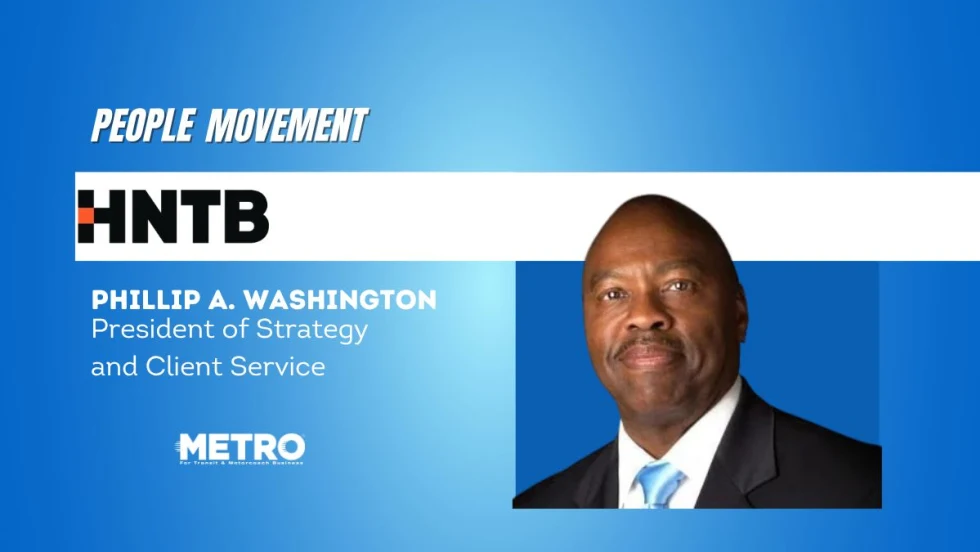
People Movement: Phil Washington Joins HNTB, Denver RTD Launches CEO Search, and More
In this edition, we also spotlight recent personnel moves at STV, the Eno Center for Transportation, and more, highlighting the people taking on new roles across the transportation industry.
Read More →
SEPTA Details Accelerate Vision for Transit System
The plan outlines investments in trolley modernization, new Metro and Regional Rail vehicles, accessible stations, and more frequent bus and rail service.
Read More →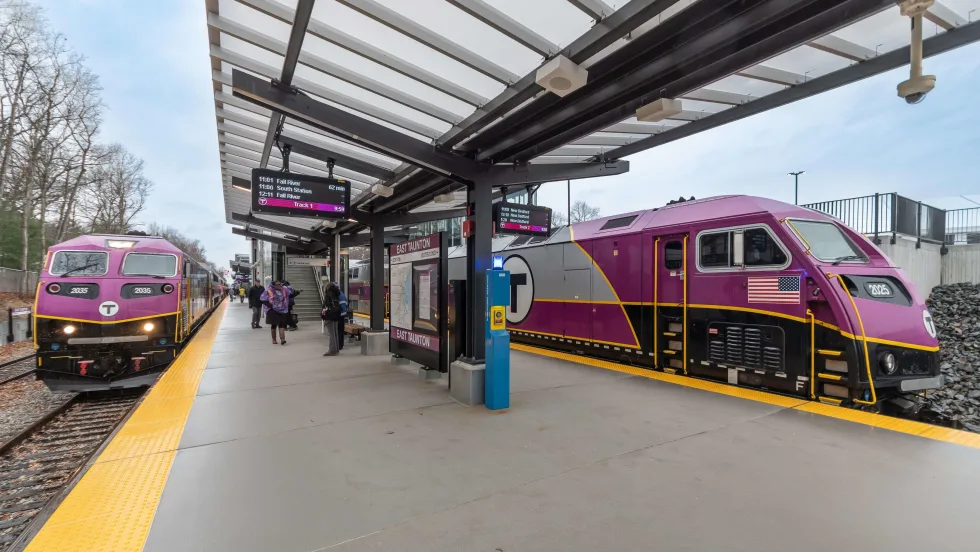
FTA Ends Direct Oversight of MBTA Safety Actions
The federal agency closed its remaining special directive to the Massachusetts Department of Public Utilities following a safety review that began in 2022.
Read More →
Report: Transit Bus Manufacturing Supports 34,100 Jobs, $5.1B in GDP
The “Buses Mean Business” report examines the transit bus manufacturing industry’s economic footprint, supply chain, and rising demand for vehicle replacements.
Read More →
LIT Marks 10-Year Milestone at Annual Summit
Hosted by the COTA from September 10 to 13, the Summit carried the theme “Celebrating 10 Years of Excellence, Leadership, and Impact,” with every part of the program honoring the people, agencies, and partners who built LIT over its first decade.
Read More →
People Movement: Dan Dipert Coaches Adds Third-Generation Leader, Keolis Names New Valley Metro VP/GM, and More
In this edition, we also cover recent appointments and announcements at the Wabtec, SilverRide, HNTB, and more, showcasing the individuals helping to shape the future of transportation.
Read More →
METRO Opens Submissions for 2026 Motorcoach Awards
Nominations are now being accepted for METRO Magazine’s Operator of the Year and Innovative Operator of the Year awards.
Read More →