



APTA, industry leaders urge Congress to provide $23.8B for transit agencies
Funding would allow transit agencies across the country to continue to provide essential services and support the economic recovery of our communities and the nation.

APTA has urged Congress and the Administration to provide $23.8 billion in additional emergency funding to offset the extraordinary direct costs and revenue losses caused by the COVID-19 crisis. This funding would allow transit agencies across the country to continue to provide essential services and support the economic recovery of our communities and the nation.
“It is imperative that agencies receive federal support so that they can survive and help our nation recover from the economic fallout of the pandemic,” said APTA President and CEO Paul P. Skoutelas. “Without significant additional emergency funding, we will not be able to serve our essential riders, as well as help our communities recover both economically and socially.”
“As an industry, we are preparing for a safer, brighter, and more dynamic future,” said Nuria I. Fernandez, APTA Chair, and General Manager and CEO of Santa Clara Valley Transportation Authority. “Recovery will be a dynamic process. But I am confident that if our industry has the resources it needs, we will recover and become even more essential to America’s mobility network.”
Skoutelas and Fernandez were joined on the call by several transit industry leaders, who offered their perspectives on the pandemic’s effect on the industry as well as the need for immediate emergency funding.
“It’s difficult to predict how or when our communities will recover from this particular crisis. With no clear end point in sight, we have to prepare for what the ‘new normal’ may be,” added Jeff Nelson, APTA Vice Chair and GM of the Rock Island County Metropolitan Mass Transit District. “Transit is a resilient industry and I am confident we can take on that challenge. This pandemic has changed how people perceive their world, and we will adapt and find new ways to provide a critical public transit service to our community.”
More Management

Bus Tech Talk: Keeping Transit Technicians Ahead of the Technology Curve
In this episode of Bus Tech Talk, Complete Coach Works’ Business Development Manager Mark Hollenbeck and METRO’s Executive Editor Alex Roman sit down with Obed Mejia, Senior Technical Trainer for Bus Maintenance, at LA Metro to discuss how rapidly evolving bus technology is changing the maintenance shop — and the skills technicians need to keep pace.
Read More →
Michael Schneider Joins Paslay Group to Expand Transportation Practice
The longtime transportation executive will help Paslay Group grow its advisory and program management work across transit, highway, and other infrastructure sectors.
Read More →
People Movement: Connectpoint Expands Leadership Team, Stadler Names New Group CEO, and More
In this edition, we also spotlight recent personnel moves at Burns, UZURV, and more, highlighting the people taking on new roles across the transportation industry.
Read More →
More Than a Summer Job: Building the Next Generation of Transit Talent
The Delaware River Port Authority and PATCO have transformed their internship program into a hands-on professional development experience that introduces students to the breadth of transportation careers — and creates a pipeline for future employees.
Read More →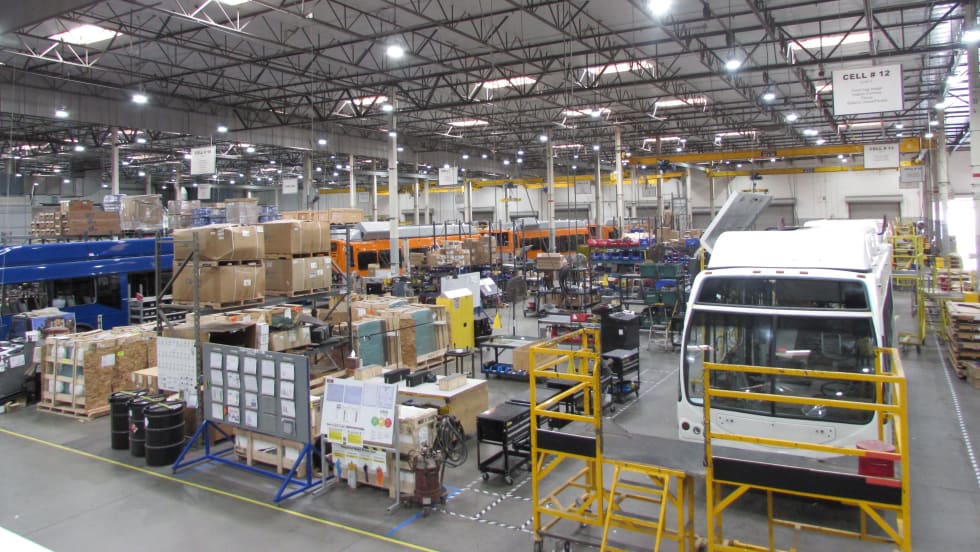
LA Metro Board Awards 220 Battery-Electric Bus Contract to ENC
The contract, which is the largest base award of battery-electric buses by a U.S. transit agency, will be built in Southern California, sustaining good jobs as LA prepares to welcome the world in 2028
Read More →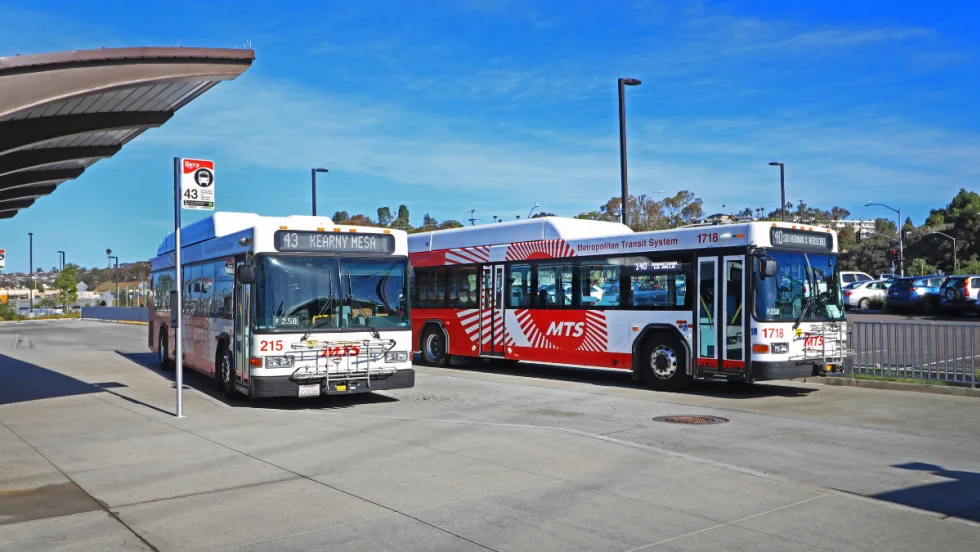
What’s Behind San Diego MTS’s Award-Winning Transit Strategy
Named one of APTA’s 2026 Outstanding Public Transportation Systems with 50 million or more annual passenger trips, California’s San Diego Metropolitan Transit System points to gains in ridership, safety, technology, and reliability as foundations of its success.
Read More →
Public Transit Conference Returning to GFX in 2027, Call for Papers Now Open
The Call for Papers is now open, allowing transit agency professionals and industry experts to help shape the PTC educational program by submitting session ideas for consideration.
Read More →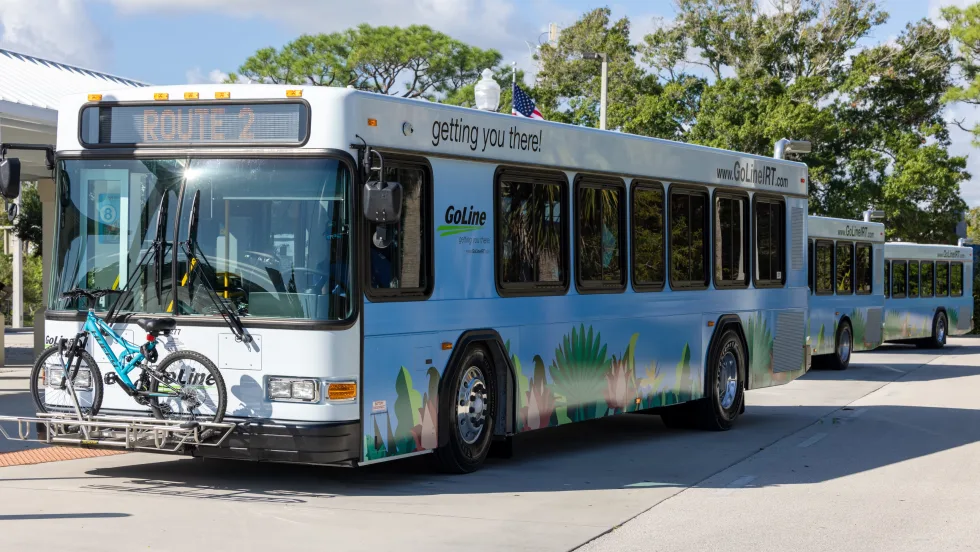
Indian River Transit’s Community-Focused Approach Earns National Recognition
Named APTA’s 2026 Outstanding Public Transportation System in its size category, Florida’s Indian River County transit system continues to grow ridership through fare-free service and a focus on evolving community needs.
Read More →
ENC Lands MATA Contract and More in Biz Briefs
In this edition of Biz Briefs, we spotlight the latest developments shaping the future of mobility.
Read More →From Surviving to Thriving: Building Stronger Transportation Organizations
Bus Business Consultants founder Brian Dickson shares lessons on leadership, organizational health, and creating options for long-term success in a changing transportation industry.
Read More →