



ARBOC Introduces Battery-Electric, Low-Floor Bus
Available in 30-foot and 35-foot models, the Equess CHARGE builds on ARBOC’s Equess transit bus platform and New Flyer’s EV technology.

Available in 30-foot and 35-foot models, the Equess CHARGE builds on ARBOC’s Equess transit bus platform and New Flyer’s EV technology.
ARBOC
ARBOC Specialty Vehicles (ARBOC) has unveiled its first fully accessible battery-electric, low-floor bus: the Equess CHARGE.
Available in 30-foot and 35-foot models, the Equess CHARGE builds on ARBOC’s Equess transit bus platform, and utilizes the in-field electric vehicle technology from New Flyer of America. The Equess CHARGE offers battery technology made in the U.S. by XALT, SIEMENS electric motors with efficient regenerative energy recovery, and charging infrastructure compliant with industry standards.
“Providing innovative transit solutions for over 90 years, NFI is leading the zero-emission evolution with over 1,900 electric buses on the road in the United States and Canada,” said Doug Minix, ARBOC’s GM. “Today, we expand NFI’s comprehensive suite of sustainable transportation solutions with our Equess CHARGE.”
With no steps throughout the bus, a spacious 39-inch entrance door opening, and a superior entry ramp ratio for passengers with mobility assist devices, the Equess platform offers an enhanced level of accessibility. The Equess CHARGE features a carrying capacity of up to 33 seated passengers and six wheelchair passengers, all accomplished by optimized battery placement on the roof of the vehicle and in a rear compartment. Extended range configurations allow for up to 437 kWh battery capacity with anticipated transit ranges of approximately 230 miles on a single charge.
The Equess CHARGE will feature the SIEMENS ELFA 3 direct drive motor and a roof-mounted energy storage system compromised of four to five strings of batteries (dependent on bus length), with each string housed in an IP67 (weather tight) enclosure. The Equess CHARGE also includes a roof-mounted battery thermal management system, SIEMENS inverter rack assemblies (with 702 volts primary and 460 volts secondary), Parker Vansco electric controls and multiplexing, and will be compatible with a depot charger with a common CCS Type 1 plug.
The Equess CHARGE prototype is complete, and manufacturing of the 35-foot model will commence in early 2021. The first production bus will then undergo testing through the Federal Transit Administration’s Model Bus Testing Program in Altoona, Pennsylvania in 2021, with production for distribution anticipated for Q4 of 2021. The Equess CHARGE will be distributed exclusively by Creative Bus Sales in the U.S., and by Dynamic Specialty Vehicles, Crestline Coach, and Creative Carriage in Canada.
More Zero Emissions
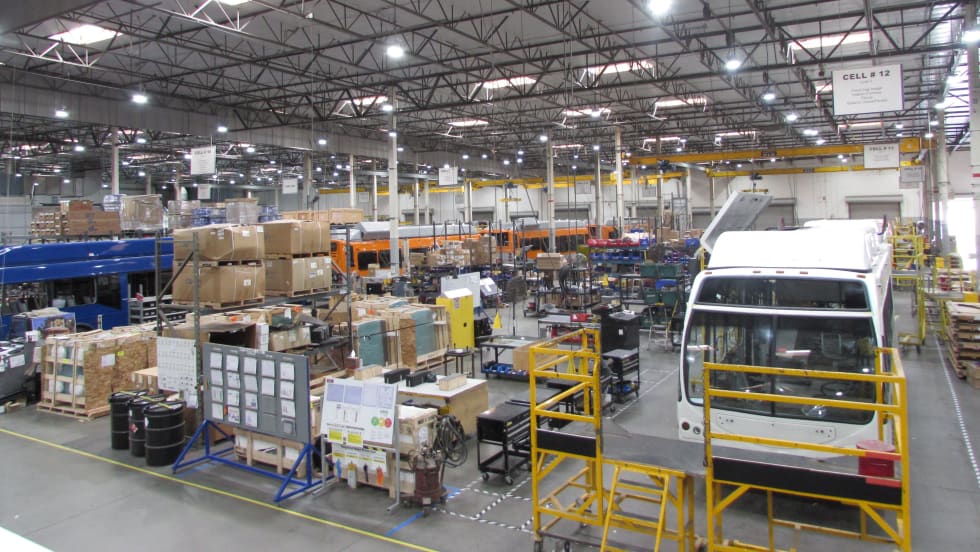
LA Metro Board Awards 220 Battery-Electric Bus Contract to ENC
The contract, which is the largest base award of battery-electric buses by a U.S. transit agency, will be built in Southern California, sustaining good jobs as LA prepares to welcome the world in 2028
Read More →
Public Transit Conference Returning to GFX in 2027, Call for Papers Now Open
The Call for Papers is now open, allowing transit agency professionals and industry experts to help shape the PTC educational program by submitting session ideas for consideration.
Read More →
Report: Transit Bus Manufacturing Supports 34,100 Jobs, $5.1B in GDP
The “Buses Mean Business” report examines the transit bus manufacturing industry’s economic footprint, supply chain, and rising demand for vehicle replacements.
Read More →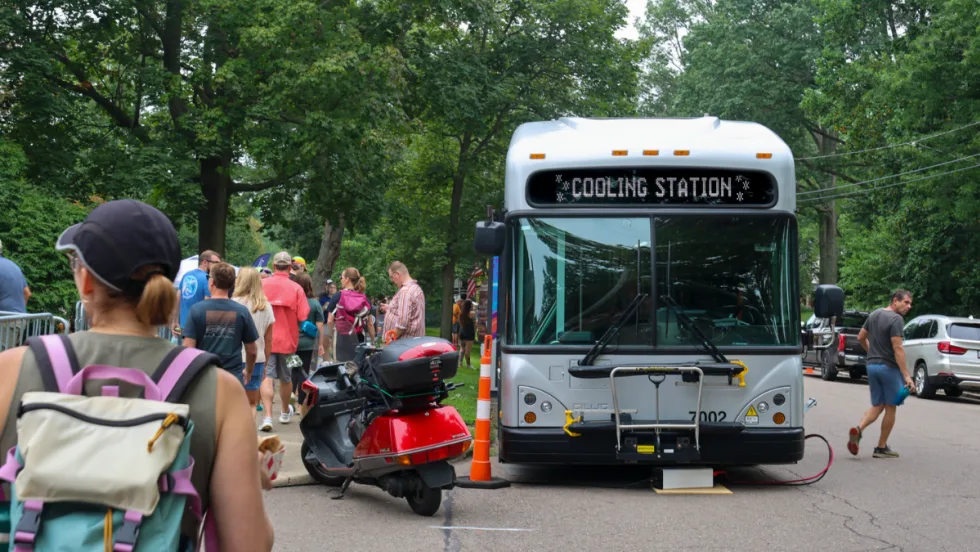
Ohio’s METRO RTA Turns Electric Buses into Mobile Power Sources at PorchROKR
See how three Gillig battery-electric buses powered festival stages while the agency’s new Park & Ride service carried approximately 1,000 attendees, demonstrating another potential use for transit agencies’ electric fleets.
Read More →
CALSTART and Forth Combine to Form Catalyst Mobility
The new name represents a renewed vision for the nonprofit focused on advancing clean, equitable, and affordable transportation solutions that move people and goods.
Read More →
Building a Flexible Path to Transit Electrification
John Hroncich discusses BAE Systems’ modular and scalable approach, lessons learned from decades of real-world operations, and how agencies can identify electrification strategies that fit their fleets.
Read More →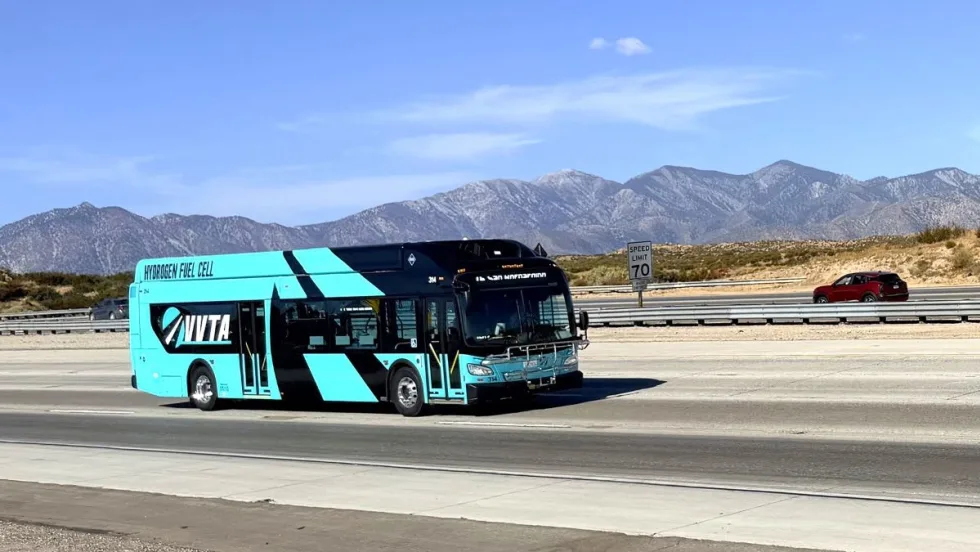
California's VVTA Begins Phased Rollout of Hydrogen Fuel Cell Buses
The agency is introducing 13 zero-emission buses into revenue service while evaluating performance across its urban, rural, and long-distance routes.
Read More →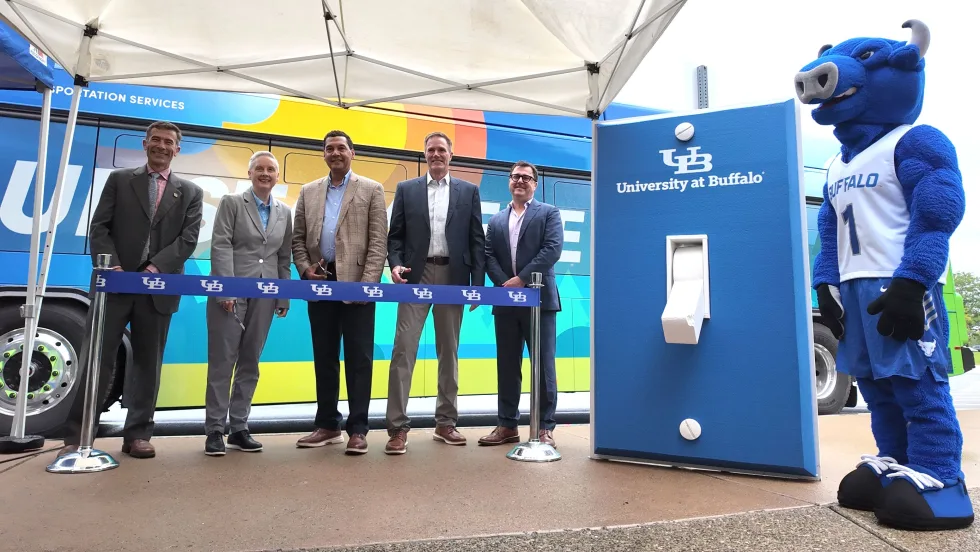
Inside Look: University at Buffalo Puts First 8 Electric Buses Into Stampede Service
UB, transportation solutions provider WeDriveU, and fleet electrification specialist Zenobē marked the deployment in the presence of students, university administrators, and local officials.
Read More →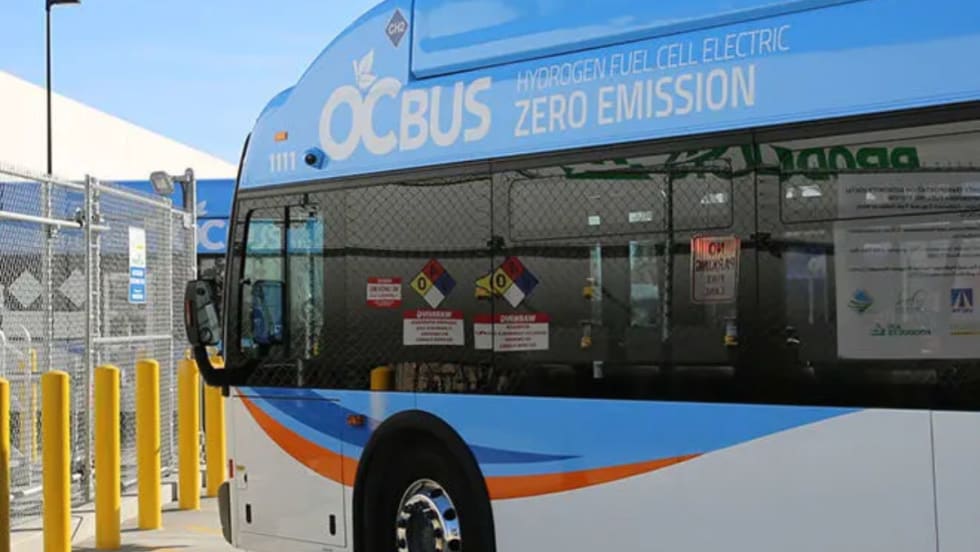
Biz Briefs: OCTA Taps Clean Energy for Hydrogen Station, Stadler to Supply Via Rail Vehicles, and More
From manufacturers and suppliers to transit agencies and motorcoach operators, these updates offer a snapshot of the projects, partnerships and business moves driving the industry forward.
Read More →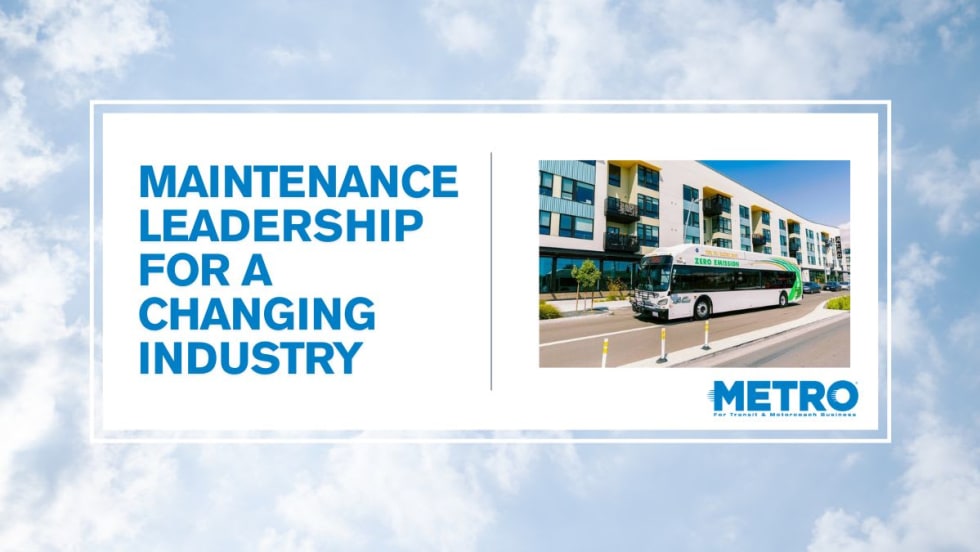
AC Transit’s Cecil Blandon on Building the Next Generation of Transit Maintenance Leaders
The agency’s maintenance chief discusses leadership, workforce development, zero-emission technology, and preparing technicians for the future of public transportation.
Read More →