




New to the Team: CTA Welcomes Latest Transit Operations Hires
CTA Introduces Electric Bus Service
The announcement marks the latest milestone in CTA’s efforts to convert to an electrified bus fleet by 2040 as part of CTA’s “Charging Forward Plan.”
May 17, 2023
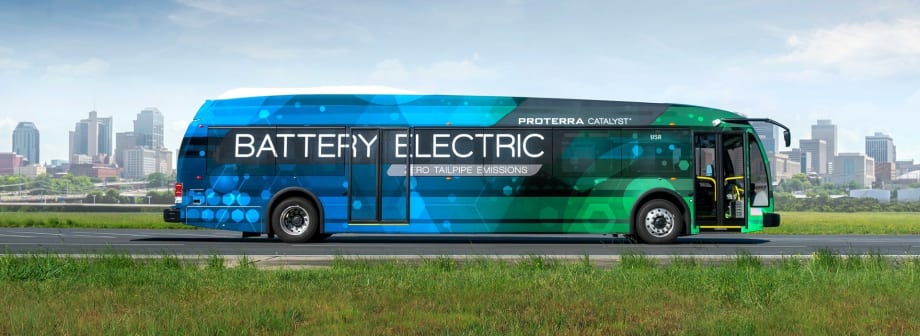
The first of the CTA’s Proterra 600-Series began running on the #66 Chicago route.
Photo: CTA
3 min to read
The Chicago Transit Authority (CTA) announced the roll-out of its newest fully accessible, all-electric buses to the #63 63rd route after equipping its third bus facility to support all-electric buses.
The announcement marks the latest milestone in CTA’s efforts to convert to an electrified bus fleet by 2040 as part of CTA’s “Charging Forward Plan.”
"Improving bus services and connections for our most transit-dependent riders has been and remains a priority for me and our expansion of all-electric buses to serve Chicago’s Far South Side is part of this commitment,” said CTA President Dorval R. Carter Jr. “Ensuring equity, the environment, and the communities we serve are at the heart of our ‘Charging Forward’ Plan and we look forward to expanding the benefits of all-electric buses, especially to those communities that are disproportionately affected by air pollution, which are often those with low-income and minority populations.”
CTA Route Becomes All-Electric
The #63 route, which serves riders from Woodlawn to Chrysler Village, is now the second bus route to feature all-electric buses and is the first electric bus route out of the CTA’s 74th Street Garage, which is located in Chicago’s South Side.
In preparation for rolling out service along the #63 route, all bus operators based out of the 74th Street Garage received training on the specific features and systems of the new electric buses and how to operate them.
The #63 route, which operates between 63rd/Stony Island and Midway, provides more than 2.4 million rides in 2022.
CTA's Zero-Emission Efforts
CTA currently has 25 electric buses in its fleet and three of its seven existing bus garages are now equipped with charging facilities for electric buses, with plans to purchase additional vehicles and expand to additional routes and garages in the coming years.
Since unveiling the “Charging Forward Plan” last year, CTA has received $29 million in grant funds from the Federal Transit Administration (FTA) to be used towards the purchase of fully accessible, all-electric buses, as well as bus facility communication and safety improvements to accommodate the new vehicles.
Building upon a decade of leading an industry shift toward bus electrification, the CTA unveiled “Charging Forward: CTA Bus Electrification Planning Report” in February 2022 as a blueprint for the agency’s route to a full electric bus fleet and bus operational infrastructure over the next 18 years.
Converting a bus fleet of more than 1,800 vehicles is a complex undertaking and will require new buses as well as charging station infrastructure and electrical power upgrades.
The first of the CTA’s Proterra 600-Series began running on the #66 Chicago route. Roll-out of these buses along the #66 route was the first step in a larger plan to electrify all bus services along Chicago Avenue.
To accommodate the electric buses, the CTA added en-route chargers at Navy Pier, with plans to add more chargers as electric buses are added to additional routes.
More Zero Emissions
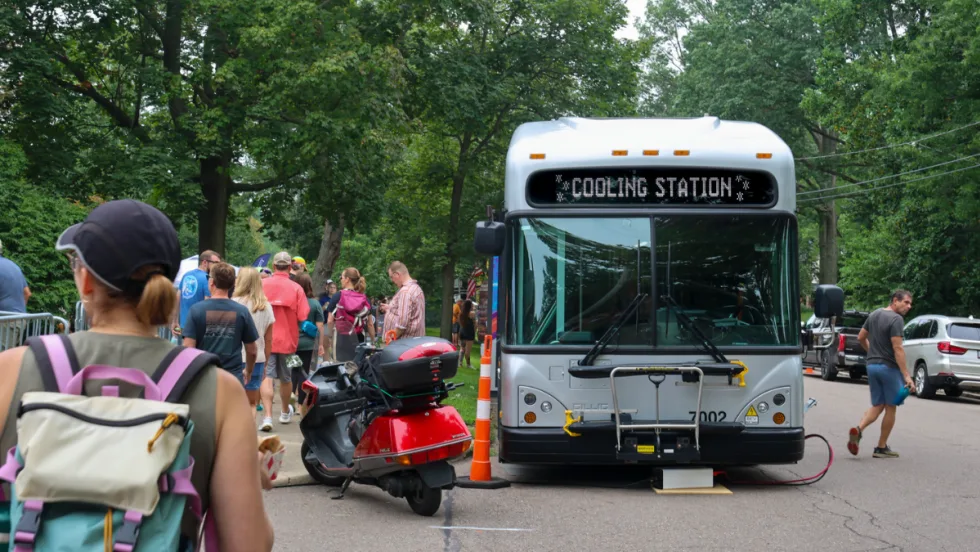
Ohio’s METRO RTA Turns Electric Buses into Mobile Power Sources at PorchROKR
See how three Gillig battery-electric buses powered festival stages while the agency’s new Park & Ride service carried approximately 1,000 attendees, demonstrating another potential use for transit agencies’ electric fleets.
Read More →
CALSTART and Forth Combine to Form Catalyst Mobility
The new name represents a renewed vision for the nonprofit focused on advancing clean, equitable, and affordable transportation solutions that move people and goods.
Read More →
Building a Flexible Path to Transit Electrification
John Hroncich discusses BAE Systems’ modular and scalable approach, lessons learned from decades of real-world operations, and how agencies can identify electrification strategies that fit their fleets.
Read More →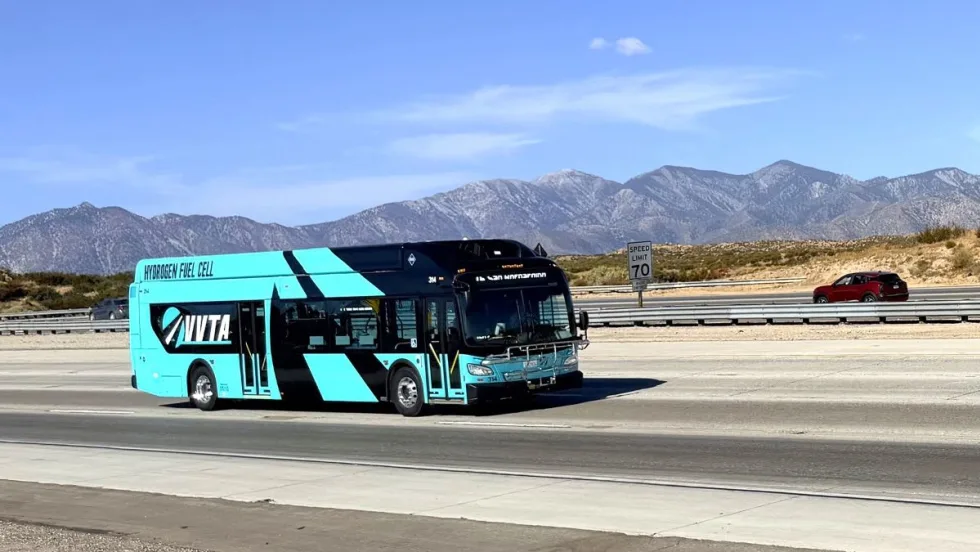
California's VVTA Begins Phased Rollout of Hydrogen Fuel Cell Buses
The agency is introducing 13 zero-emission buses into revenue service while evaluating performance across its urban, rural, and long-distance routes.
Read More →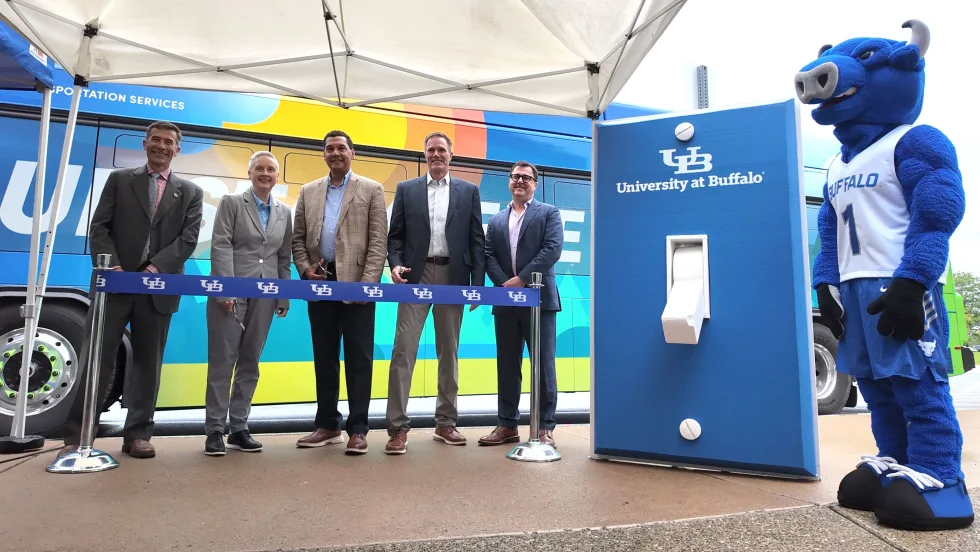
Inside Look: University at Buffalo Puts First 8 Electric Buses Into Stampede Service
UB, transportation solutions provider WeDriveU, and fleet electrification specialist Zenobē marked the deployment in the presence of students, university administrators, and local officials.
Read More →
Biz Briefs: OCTA Taps Clean Energy for Hydrogen Station, Stadler to Supply Via Rail Vehicles, and More
From manufacturers and suppliers to transit agencies and motorcoach operators, these updates offer a snapshot of the projects, partnerships and business moves driving the industry forward.
Read More →
AC Transit’s Cecil Blandon on Building the Next Generation of Transit Maintenance Leaders
The agency’s maintenance chief discusses leadership, workforce development, zero-emission technology, and preparing technicians for the future of public transportation.
Read More →
CTDOT Taps STV for Electric Bus Facility Design
The firm will work with CTDOT and RVT to define the facility layout, operational requirements, and long-term flexibility for RVT’s growing electric fleet.
Read More →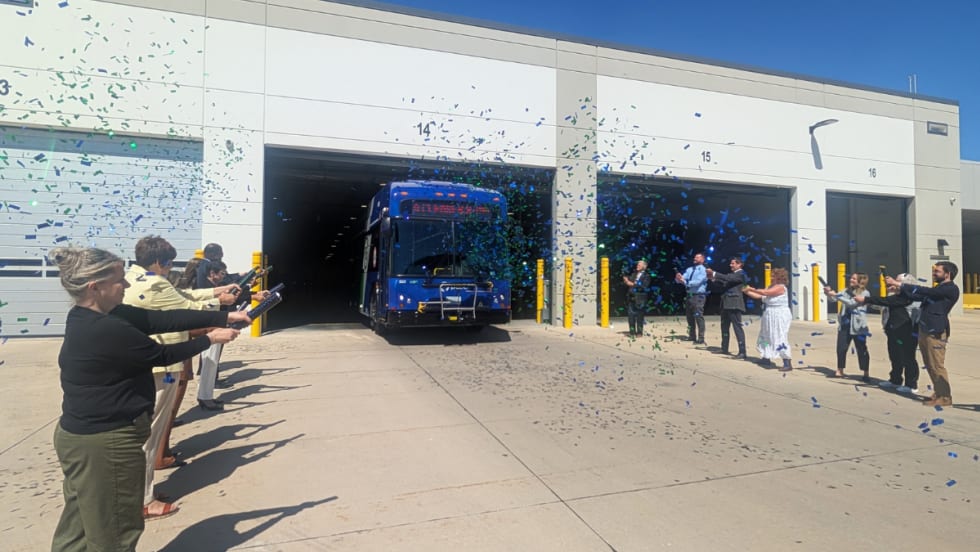
Chicago’s Pace Deploys 24 Hybrid-Electric Buses in Will County
The new buses reduce emissions and fuel consumption while advancing the agency's long-term goal of transitioning to a fully zero-emission fleet.
Read More →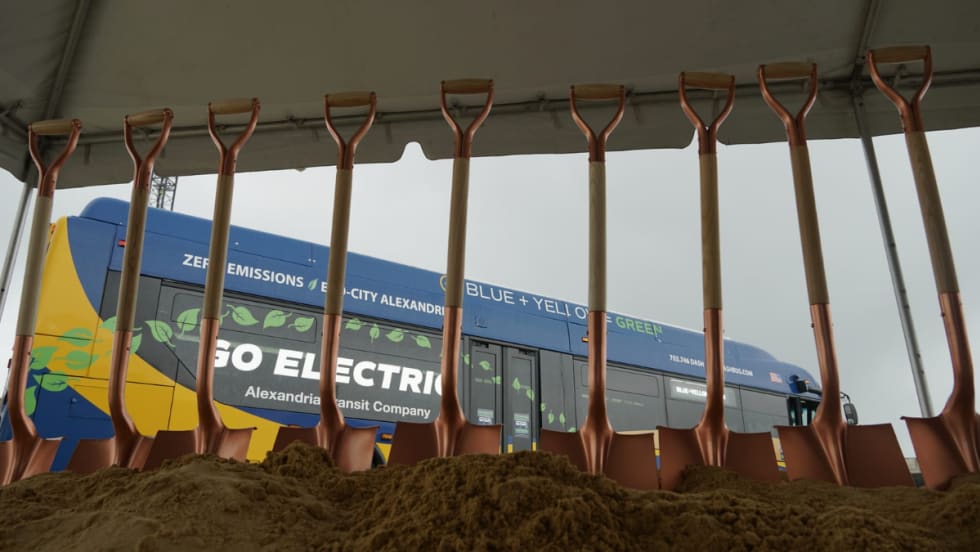
DASH Breaks Ground on First On-Route Electric Bus Chargers in D.C. Region
The fast-charging infrastructure will help extend electric bus range, improve fleet utilization, and support DASH's goal of transitioning to a fully zero-emission fleet.
Read More →