



CTA Unveils Roadmap for Conversion to All-Electric Bus System by 2040
CTA’s existing bus fleet is housed at seven bus garages across the service region and serviced at a heavy maintenance facility on Chicago’s Far South Side — all of which will need to be substantially upgraded and retrofitted with charging infrastructure required to operate electric buses.
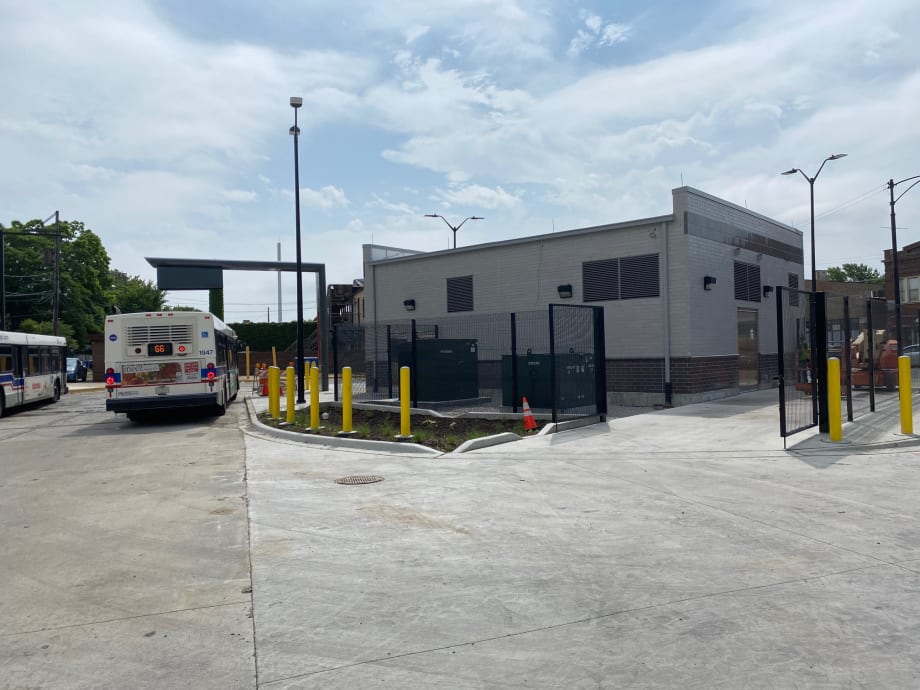
Electrifying the CTA bus fleet is a complex and challenging undertaking, which includes much more than just replacing its current fleet of more 1,800 buses.
Proterra
The Chicago Transit Authority (CTA) announced details of a multi-year analysis for the full electrification of its bus system. The study will serve as the first-ever roadmap for full-electrification of CTA’s bus fleet, facilities, and supporting infrastructure by the year 2040.
“For nearly a decade, the CTA has been at the forefront of the shift to electric bus technology. As proud as I am of the progress we’ve made, we still have a long way to go,” said CTA President Dorval R. Carter, Jr. “The unveiling of the ‘Charging Forward’ planning study helps set the course for our agency’s next destination — full-electrification by 2040 — all while ensuring that equity, the environment and the communities we serve are at the forefront of this next big endeavor.”
Electrifying the CTA bus fleet is a complex and challenging undertaking, which includes much more than just replacing its current fleet of more 1,800 buses. To support and maintain an all-electric bus fleet of this size, other vital upgrades and capital investments must be made to facilities and other supporting infrastructure, including charging equipment.
CTA’s existing bus fleet is housed at seven bus garages across the service region and serviced at a heavy maintenance facility on Chicago’s Far South Side — all of which will need to be substantially upgraded and retrofitted with charging infrastructure required to operate electric buses. This is no small undertaking and requires the careful coordination of many interrelated investments and requires consistent state and federal funding support to achieve an ambitious target.
The study, “Charging Forward: CTA Bus Electrification Planning Report,” summarizes the findings of key analyses and establishes a practical framework for CTA to advance towards full electrification.
In addition, the study provides strategic recommendations on various facets of the electrification effort including:
Which technologies to invest in.
Where to install charging infrastructure.
How to sequence the electrification of garages and routes.
How to ensure that the related facility upgrades are coordinated with other modernization needs to maximize cost effectiveness and overall system reliability.
Outlining an achievable transition timeline for meeting the agency’s 2040 conversion goal.
With the completion of this study, the CTA is now well-positioned to compete for funding, advocate for policies, and drive technology advances that will be essential to implement this plan.
With the introduction of its first two all-electric buses in 2014, CTA became one of the first transit agencies in the country to run electric buses in revenue service, year-round and across all four seasons. Today, CTA has 11 electric buses in service, and 14 more that are being outfitted at our garages in preparation for entering revenue service later in 2022. To date, CTA has also secured more than $130 million in grant funding to continue expanding its electric bus fleet and expanding its charging infrastructure.
"We are excited to see CTA take a big step today in advancing our shared goal to electrify bus fleets serving city residents," said Angela Tovar, Chief Sustainability Officer for the City of Chicago. “CTA’s contributions toward increasing transit ridership and making equitable investments in green mobility will play a big role in meeting our Climate Action Plan 2030 goals.”
Currently, the e-buses are operating on #66 Chicago, connecting the Austin neighborhood to the near West Side and Navy Pier. CTA aims to prioritize routes serving South and West side neighborhoods historically overburdened by air quality issues for early equitable e-bus deployment and aims to electrify routes serving the 95th Red Line hub in the next few years.
More Zero Emissions

LA Metro Board Awards 220 Battery-Electric Bus Contract to ENC
The contract, which is the largest base award of battery-electric buses by a U.S. transit agency, will be built in Southern California, sustaining good jobs as LA prepares to welcome the world in 2028
Read More →
Public Transit Conference Returning to GFX in 2027, Call for Papers Now Open
The Call for Papers is now open, allowing transit agency professionals and industry experts to help shape the PTC educational program by submitting session ideas for consideration.
Read More →
Report: Transit Bus Manufacturing Supports 34,100 Jobs, $5.1B in GDP
The “Buses Mean Business” report examines the transit bus manufacturing industry’s economic footprint, supply chain, and rising demand for vehicle replacements.
Read More →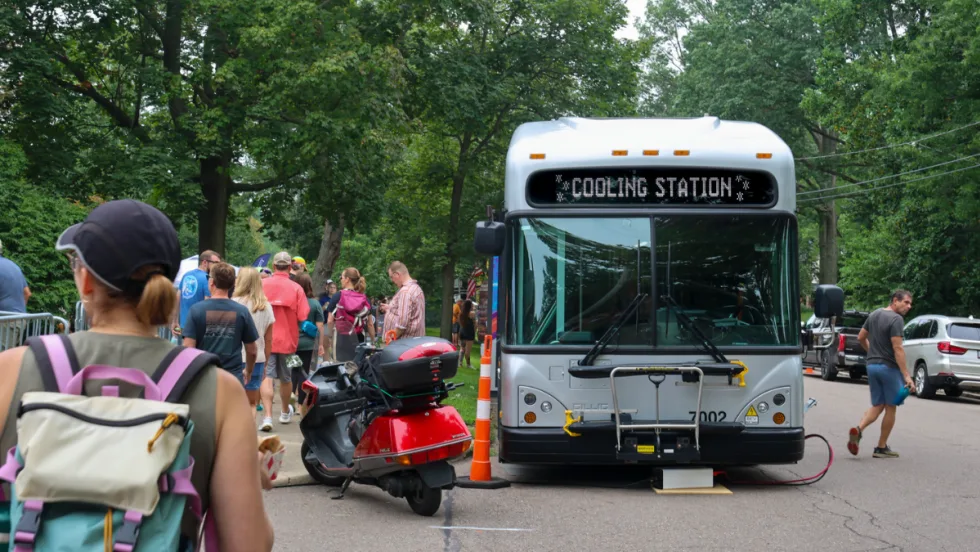
Ohio’s METRO RTA Turns Electric Buses into Mobile Power Sources at PorchROKR
See how three Gillig battery-electric buses powered festival stages while the agency’s new Park & Ride service carried approximately 1,000 attendees, demonstrating another potential use for transit agencies’ electric fleets.
Read More →
CALSTART and Forth Combine to Form Catalyst Mobility
The new name represents a renewed vision for the nonprofit focused on advancing clean, equitable, and affordable transportation solutions that move people and goods.
Read More →
Building a Flexible Path to Transit Electrification
John Hroncich discusses BAE Systems’ modular and scalable approach, lessons learned from decades of real-world operations, and how agencies can identify electrification strategies that fit their fleets.
Read More →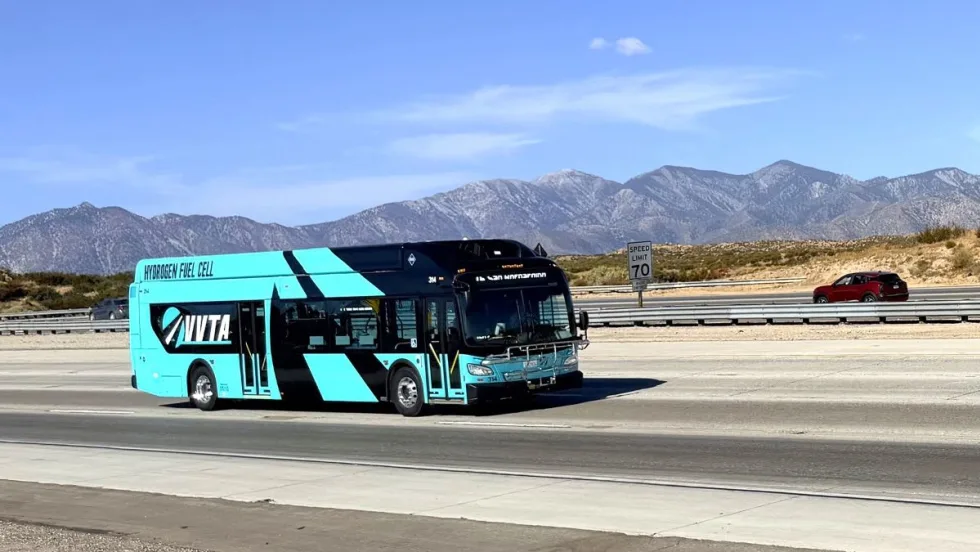
California's VVTA Begins Phased Rollout of Hydrogen Fuel Cell Buses
The agency is introducing 13 zero-emission buses into revenue service while evaluating performance across its urban, rural, and long-distance routes.
Read More →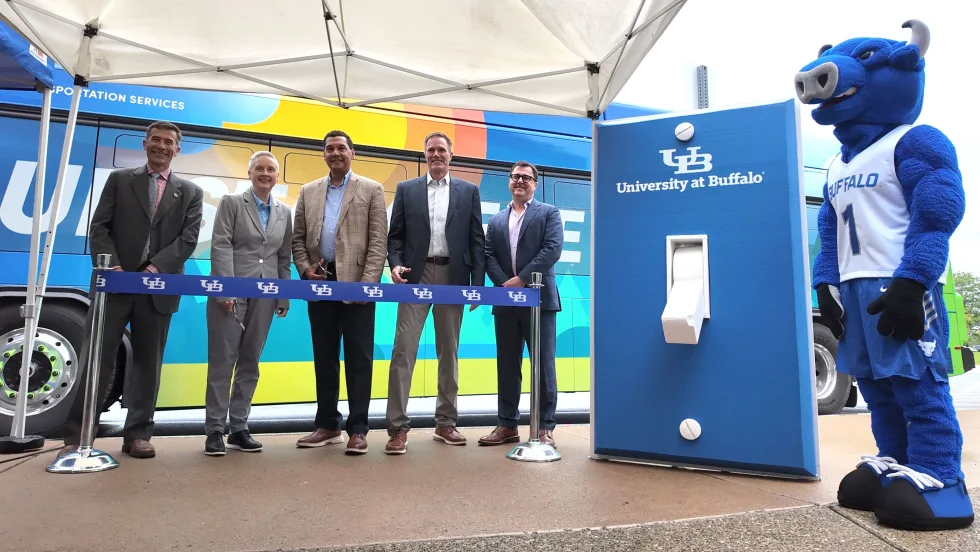
Inside Look: University at Buffalo Puts First 8 Electric Buses Into Stampede Service
UB, transportation solutions provider WeDriveU, and fleet electrification specialist Zenobē marked the deployment in the presence of students, university administrators, and local officials.
Read More →
Biz Briefs: OCTA Taps Clean Energy for Hydrogen Station, Stadler to Supply Via Rail Vehicles, and More
From manufacturers and suppliers to transit agencies and motorcoach operators, these updates offer a snapshot of the projects, partnerships and business moves driving the industry forward.
Read More →
AC Transit’s Cecil Blandon on Building the Next Generation of Transit Maintenance Leaders
The agency’s maintenance chief discusses leadership, workforce development, zero-emission technology, and preparing technicians for the future of public transportation.
Read More →