



CTA's Bus Optimization to Provide More Consistent Service
The changes are the latest in a series of initiatives introduced in the past month in support of the Meeting the Moment: Transforming CTA’s Post-Pandemic Future Action Plan, which was unveiled in August.

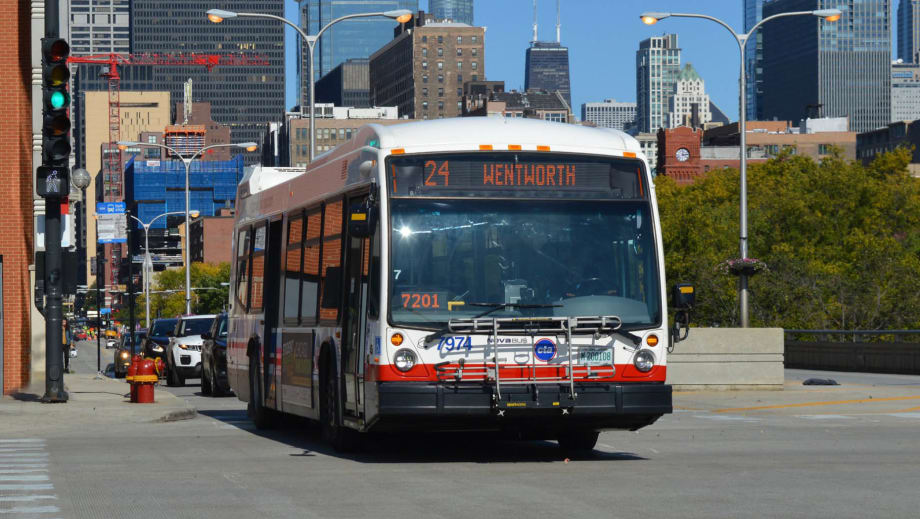
The bus schedule optimizations, which took effect January 8 in conjunction with the union schedule “pick” process, aligns scheduled service with currently available workforce.
CTA/Nova Bus
The Chicago Transit Authority (CTA) announced changes to its bus schedules on nearly half of its bus routes — intended to provide better, more reliable service.
The schedule optimization project aims to accomplish three goals:
Better align scheduled service with currently available workforce.
Provide more consistent intervals between buses.
Reduce instances of large or inconsistent gaps in service.
These temporary schedule changes to 52 bus routes throughout the bus network — including many of CTA’s highest-ridership routes — will help to address one of the most frequent comments CTA has received from its customers: the unpredictability of wait times.
Like transit and transportation companies across the country, the CTA is facing an unprecedented shortage of workers, especially bus and rail operators. CTA has undertaken aggressive recruitment and hiring efforts that have attracted more than 400 new workers in 2022. The agency is still short about 600 bus operators and will continue its aggressive efforts in 2023 to address this gap. As CTA continues to hire and train more bus operators as quickly as possible, it will continue to optimize its scheduled service to account for the growing workforce.
“As we did last year with rail schedules, we’re working to provide more consistency and reliability, which is what customers have asked for and what we promised,” said CTA President Dorval R. Carter Jr. “We recognize there is more work to do, but we are moving in the right direction and will continue to make additional adjustments to improve service for our customers. Our ultimate goal is to build back our workforce to provide all the transit service our customers deserve.”
The bus schedule optimizations, which took effect January 8 in conjunction with the union schedule “pick” process, aligns scheduled service with currently available workforce. Service hours — known as span of service — have not changed, nor has routing or days of service. What has changed is the schedule frequency was adjusted to reflect the available workforce. These changes will provide more consistent intervals with significantly fewer missing trips until more personnel are available.
Another benefit of these optimizations is improvement in Bus Tracker accuracy, and it is anticipated that customers will see fewer instances of “ghost buses” throughout the system. CTA continues to explore other improvements to its Trackers to further enhance the reliability and accuracy of this important customer tool.
The changes are the latest in a series of initiatives introduced in the past month in support of the Meeting the Moment: Transforming CTA’s Post-Pandemic Future Action Plan, which was unveiled in August. The multifaceted plan focuses on responding to customers’ concerns and strengthening the foundations of the rider experience, while addressing the workforce challenges faced by the entire transportation industry.
The CTA continues to pursue aggressive hiring strategies and other schedule changes to benefit both rail and bus customers. The agency will also continue to make nimble schedule adjustments to rail and bus networks in the coming months and improve customer experience.
More Management

METRO Opens Submissions for 2026 Motorcoach Awards
Nominations are now being accepted for METRO Magazine’s Operator of the Year and Innovative Operator of the Year awards.
Read More →
New York MTA Advances Final Contract for Second Avenue Subway Expansion
Contract Four is the largest in the Second Avenue Subway Phase 2 project and includes construction of station infrastructure, tracks, and signals for the subway expansion, MTA officials said. Work on Contract Four will begin in 2027.
Read More →
Transit Agencies Highlight Safety Gains at National Summit
Leaders from 15 major transit systems shared crime-reduction results and safety initiatives while discussing the role of continued federal support.
Read More →

NITA Names New Leadership, Expands Reduced-Fare Program at First Board Meeting
The new regional transit authority appointed its first board chair and interim executive director while extending reduced fares across CTA, Metra, and Pace for eligible riders.
Read More →
Beyond the Checklist: A Structured Approach to Transit Maintenance
Reliability-Centered Maintenance helps transit agencies move beyond routine checklists to focus limited resources on the assets and failures that have the greatest impact on safety, reliability, and service.
Read More →
APTA 2026 Nominating Committee Selects Leadership Slate, Names Chair and Vice Chair Nominees
Leadership changes will help shape the association’s priorities and its representation of the transportation industry during the 2026–2027 term.
Read More →
DART Launches Major Security, Fare Enforcement Initiative
The 90-day demonstration will deploy coordinated security teams at five light rail stations while testing controlled access and gathering data to guide future investments.
Read More →
Advancing Fare Collection Through Technology and Innovation
Learn about delivering 1300 gates at 91 stations while managing fare evasion. Explore the large scale deployment, solution customization and real-world results that affect the region. Prepare for deployment in your region now.
Read More →
Game Day in Motion: Moving Millions During the 2026 World Cup
Between packed transit stations and team motorcoaches, see how agencies and operators across North America tackled the transportation demands of the 2026 FIFA World Cup.
Read More →
Surface Transportation Extension Averts Shutdown, Leaves Transit Funding Gap
The stopgap keeps federal transportation programs moving, but missing advance funding could complicate the transit and rail projects agencies are planning next.
Read More →