



Cubic unveils NextWave at APTA Annual Meeting
The platform will be demonstrated at the APTA Annual Meeting on Monday at Cubic’s booth #804.

In response to the tremendous worldwide growth in smartphone adoption, Cubic Transportation Systems launched its NextWave Mobile Business System — a comprehensive platform that enables transit operators to rapidly and securely provide new mobile services to their customers.
The platform will be demonstrated at the APTA Annual Meeting on Monday at Cubic’s booth #804.
With NextWave, transit agencies can quickly introduce an agency-branded mobile app backed by a cloud-based array of support services that:
Leverage Near Field Communications (NFC) technology to turn a mobile phone into a contactless fare card, reducing the reliance on physical card distribution.
Enable mobile fare purchases by turning NFC enabled mobile phones into the equivalent of a ticket vending machine that can re-load contactless transit cards in real time.
Offer customer support through mobile self-services, including managing all fare purchases; reviewing balances, transactions and fare charges; and receiving notifications about account status and usage.
Help travelers plan journeys and receive alerts about travel conditions.
Generate new revenues by leveraging advertising and mobile marketing opportunities.
NextWave simplifies the complexities of deploying mobile services by providing a cloud-based platform that integrates with both closed- and open-loop contactless fare systems, payment processors, mobile networks, NFC platforms, and both iOS and Android smartphones and tablets.
More Management
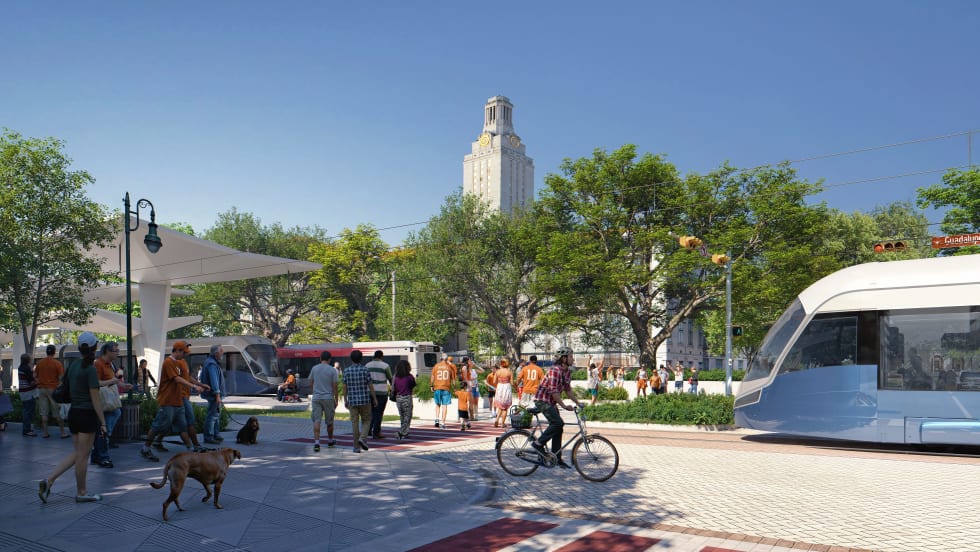
Bringing Austin’s First Light Rail System to Life
Austin Transit Partnership CEO Greg Canally discusses the city's nearly 10-mile light rail project, its collaborative approach to project delivery, the importance of community engagement, and the milestones ahead as construction approaches in 2027.
Read More →
ETA CEO John Maglio on Transit Technology, Innovation, and Building Agency Trust
ETA founder and CEO John Maglio explores the evolution of transit technology, the importance of reliable systems, and how stronger partnerships can help agencies improve operations and the passenger experience.
Read More →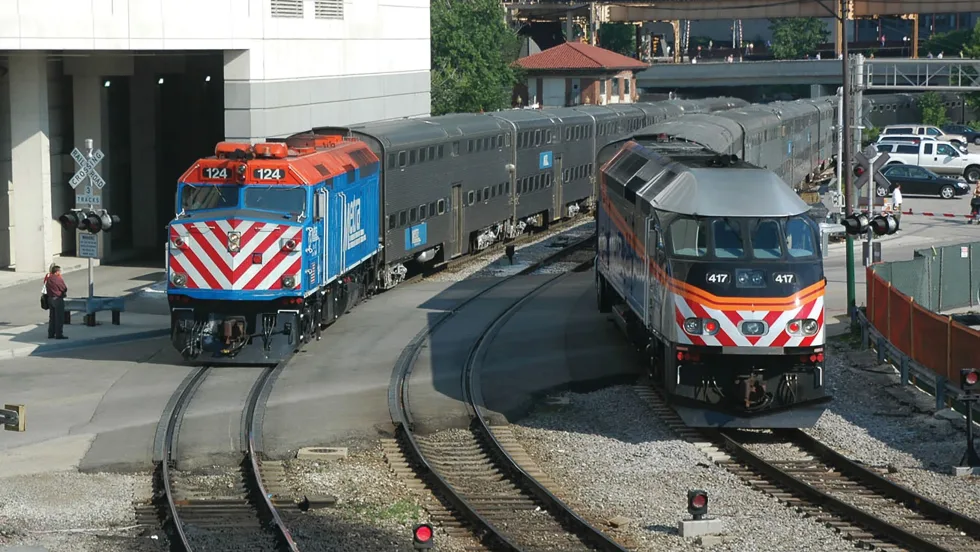
Metra Draft Plan Outlines Costs, Service Improvements for Regional Rail
The Systemwide Network Plan identifies infrastructure needs and potential investments to expand all-day, bidirectional rail service across the Chicago region.
Read More →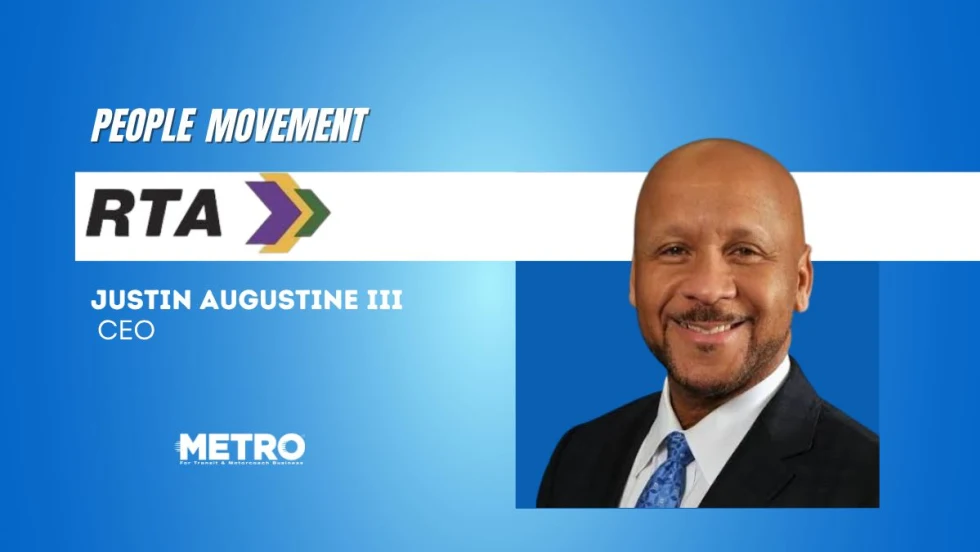
New Orleans RTA Names Augustine III as New CEO
In this edition, we also spotlight recent personnel moves at HDR, PATH, STV, and more, highlighting the people taking on new roles across the transportation industry.
Read More →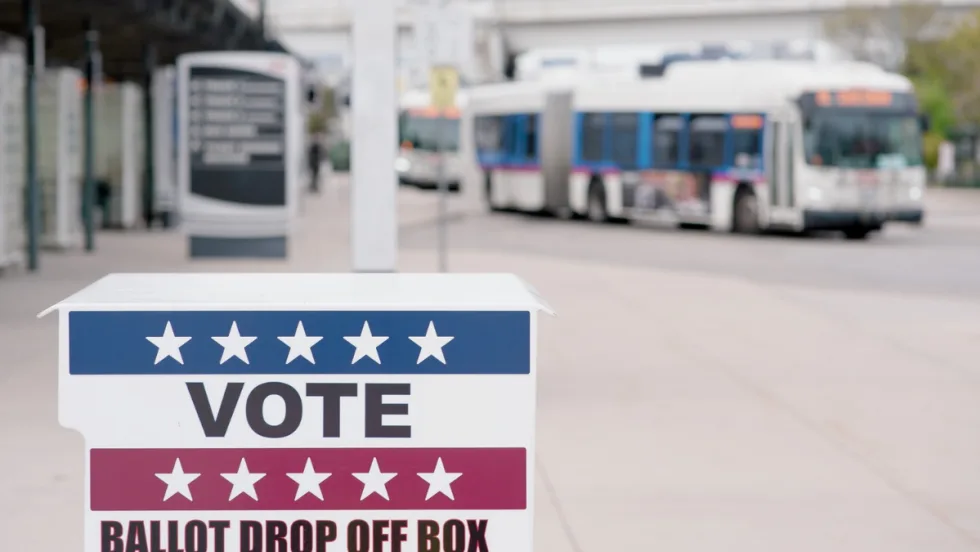
How Transit Agencies Are Using Free Rides to Improve Voting Access
Transit agencies are using fare-free service, trip-planning tools, and targeted rides to improve voting access. See what other agencies can learn from these efforts.
Read More →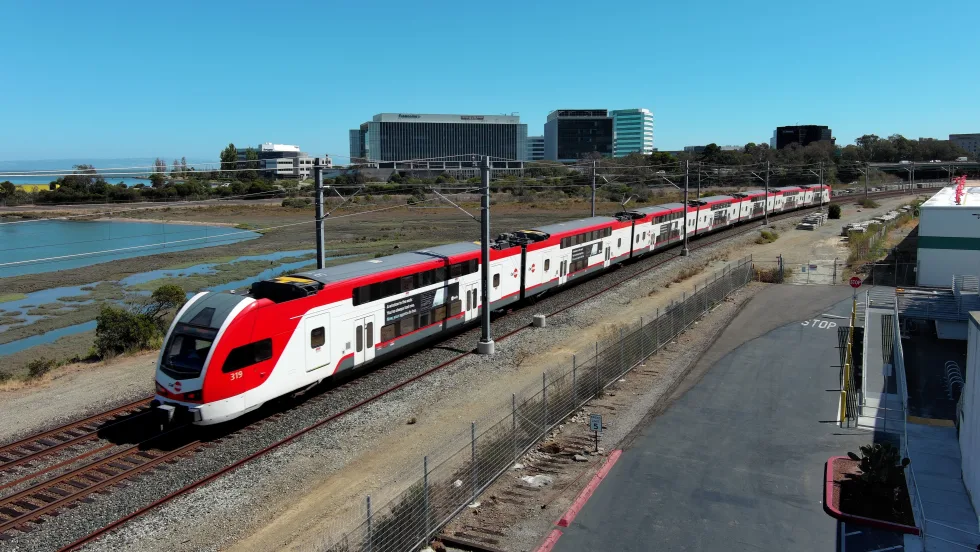
Caltrain’s Electrification Drives a New Era of Ridership Growth
The railroad’s shift to electric service has brought more frequent trains, stronger customer satisfaction, and increased ridership, earning it APTA’s Outstanding Public Transportation System award.
Read More →
Chicago, Charlotte Transit Agencies Expand Rider Support Programs
CTA launched crisis intervention teams as CATS prepares to deploy fare ambassadors, expanding customer assistance and security efforts across both systems.
Read More →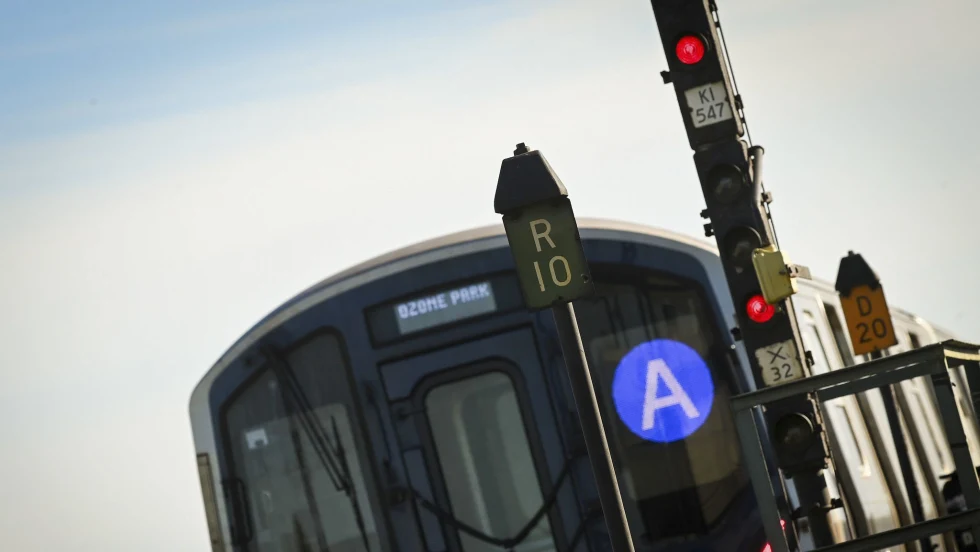
New York MTA Launches Historic $1.9B Signal, Track Modernization Project
Funded in part by congestion pricing revenue, the project will replace nearly century-old signals along the A and C lines in Brooklyn and Queens.
Read More →
Brian Dickson on Building Stronger, More Resilient Transportation Organizations
Bus Business Consultants Founder Brian Dickson discusses the leadership principles, operational discipline, and strategic planning that separate transportation companies positioned for long-term success from those stuck in survival mode.
Read More →
LA Metro Breaks Ground on Vermont BRT Project
The 12.4-mile corridor is projected to serve 66,200 daily riders, reduce travel times by up to 24%, and create the nation's busiest bus rapid transit corridor.
Read More →