



Denver Extends Zero Fares for Youth Program
The zero-fare program, which enables youth ages 19 and under to use all RTD services at no cost, will now become a permanent fare change for the agency.

RTD’s Community Engagement Team is currently scheduling outreach activities and presentations with schools and youth-focused organizations to inform parents and youth about the continuation of the program.
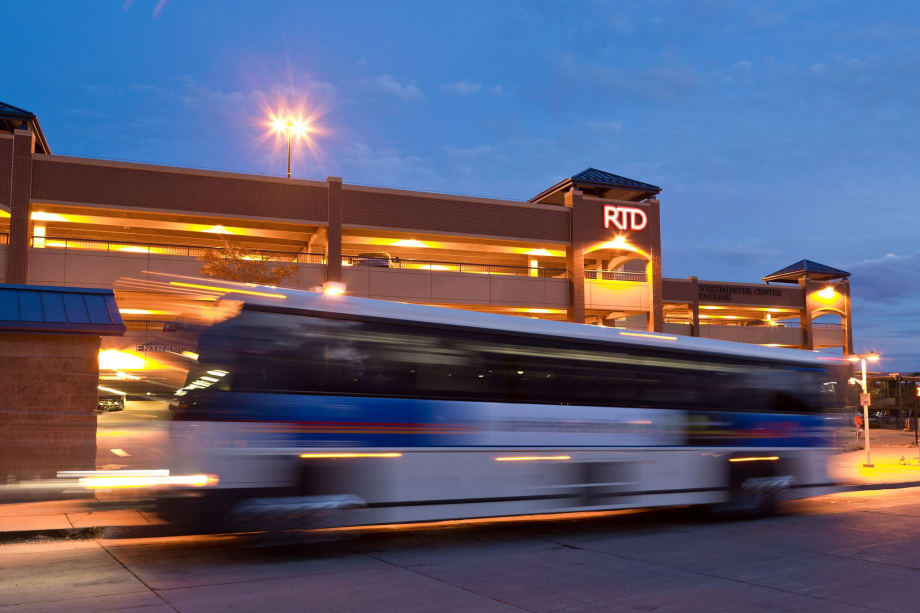
Photo: Denver RTD
Denver’s Regional Transportation District (RTD) board unanimously approved continuing the Zero Fare for Youth program beyond the agency’s one-year pilot.
The zero-fare program, which enables youth ages 19 and under to use all RTD services at no cost, will now become a permanent fare change for the agency.
Zero Fare for Youth
Following the approval by RTD’s board, the program will seamlessly continue beyond the one-year pilot, with no disruption to youth customers.
“Since Zero Fare for Youth began last year, my team and I have heard directly from the public that the program has proven to be a game-changer, enabling youth to have access to schools, work and extracurricular activities without the concern of how they will pay their fares,” said GM/CEO Debra A. Johnson said. “Zero Fare for Youth is helping RTD’s youngest customers understand how their new habits are aiding air quality in their communities and supporting their freedom to explore and gain independence. RTD is also developing transit customers for life.”
The one-year pilot program initially launched on Sept. 1 to provide affordable, equitable, and simplistic transit options for youth.
The pilot was based on a key recommendation from the agency’s fare study and equity analysis.
Continued by Popular Demand
Prior to the board’s action, Zero Fare for Youth was scheduled to end on Aug. 31. Youth ages 19 and under can now continue to present a valid student or government-issued ID and use all of RTD’s services at no cost.
RTD received positive feedback from many schools about the program’s impact in reducing truancy, and it garnered support from school districts, youth organizations, and customers across the entire Denver metro area.
The Colorado legislature passed a bill in May 2024 to appropriate up to $5 million to RTD to continue a zero-fare program for youth. SB24-032 Methods to Increase the Use of Transit outlines RTD’s eligibility to apply for and receive grant money to provide year-round, zero-fare transit services for youth.
The Zero Fare for Youth program provides many benefits for youth and their families, including cost and time savings. Using RTD’s buses and trains increases independence by reducing dependence on others for transportation, and it provides young people with the freedom and flexibility to travel where they need to go.
RTD’s Community Engagement Team is currently scheduling outreach activities and presentations with schools and youth-focused organizations to inform parents and youth about the continuation of the program.
More Management

METRO Opens Submissions for 2026 Motorcoach Awards
Nominations are now being accepted for METRO Magazine’s Operator of the Year and Innovative Operator of the Year awards.
Read More →
New York MTA Advances Final Contract for Second Avenue Subway Expansion
Contract Four is the largest in the Second Avenue Subway Phase 2 project and includes construction of station infrastructure, tracks, and signals for the subway expansion, MTA officials said. Work on Contract Four will begin in 2027.
Read More →
Transit Agencies Highlight Safety Gains at National Summit
Leaders from 15 major transit systems shared crime-reduction results and safety initiatives while discussing the role of continued federal support.
Read More →

NITA Names New Leadership, Expands Reduced-Fare Program at First Board Meeting
The new regional transit authority appointed its first board chair and interim executive director while extending reduced fares across CTA, Metra, and Pace for eligible riders.
Read More →
Beyond the Checklist: A Structured Approach to Transit Maintenance
Reliability-Centered Maintenance helps transit agencies move beyond routine checklists to focus limited resources on the assets and failures that have the greatest impact on safety, reliability, and service.
Read More →
APTA 2026 Nominating Committee Selects Leadership Slate, Names Chair and Vice Chair Nominees
Leadership changes will help shape the association’s priorities and its representation of the transportation industry during the 2026–2027 term.
Read More →
DART Launches Major Security, Fare Enforcement Initiative
The 90-day demonstration will deploy coordinated security teams at five light rail stations while testing controlled access and gathering data to guide future investments.
Read More →
Advancing Fare Collection Through Technology and Innovation
Learn about delivering 1300 gates at 91 stations while managing fare evasion. Explore the large scale deployment, solution customization and real-world results that affect the region. Prepare for deployment in your region now.
Read More →
Game Day in Motion: Moving Millions During the 2026 World Cup
Between packed transit stations and team motorcoaches, see how agencies and operators across North America tackled the transportation demands of the 2026 FIFA World Cup.
Read More →
Surface Transportation Extension Averts Shutdown, Leaves Transit Funding Gap
The stopgap keeps federal transportation programs moving, but missing advance funding could complicate the transit and rail projects agencies are planning next.
Read More →