



Denver RTD approves new fare policies for 2019
The recommended package of fare policy changes is forecasted to reach fare revenue target levels over the next three years.

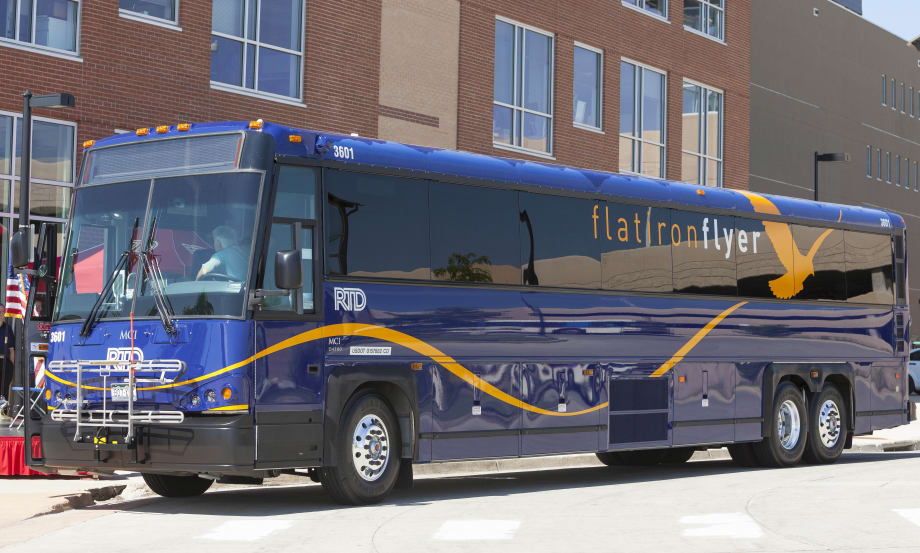
Changes would be implemented starting in January, with a low-income program estimated to begin in July

The Denver Regional Transportation District’s board of directors approved changes to fares and pass programs that will take effect starting early next year, including the introduction of a low-income program, an increased discount for riders between six and 19 years old, and changes to fares.
The recommended package of fare policy changes is forecasted to reach fare revenue target levels over the next three years. It delivers all the elements of a proposal that reflects feedback from thousands of people about three proposed options and RTD’s fare review process, scheduled to take place every three years. This comprehensive review of the agency’s fares and passes began at the request of RTD’s 15-member board, which authorized the examination in 2015 in response to public requests during the prior fare review.
Changes would be implemented starting in January, with a low-income program estimated to begin in July. A Title VI equity analysis of all changes has been completed, and no concerns were found per the board-adopted Disparate Impact and Disproportionate Burden Policy.
With its approval, the board has authorized the following changes to fares and passes:
Introduce a low-income fare program, providing a 40% discount to households at or below 185% of the federal poverty level.
Increase the discount offered to riders between 6 and 19 years old to 70%. (Up to three children five and younger would continue to ride free with a fare-paying adult.)
Introduce a three-hour pass, replacing a three-hour one-way transfer.
Continue offering EcoPass, Neighborhood EcoPass, and CollegePass, which will be priced based upon trips taken.
Retain 10-Ride ticket books and MyRide smart cards with discounts.
Retain day and monthly passes and FlexPass.
Discontinue ValuPass (those interested instead could purchase 12 monthly passes).
Increase Local fare to $3, Regional fare to $5.25 and fare to Denver International Airport to $10.50.

The board’s decision was informed by public comments gathered through a variety of means, including eight open house public meetings across the district, a telephone town hall meeting involving thousands of calls, the RTD webpage, meetings with agency advisory committees and Neighborhood EcoPass coordinators, and a districtwide telephone survey.
The fare review process also took into consideration a consensus recommendation resulting from a separate but parallel process: a year-long pass program study that concluded earlier this year. The 25 members of the working group — formed at the request of the RTD board — met monthly for lengthy discussions about whether changes should be made to the agency’s pass programs. The group formulated several options, all carefully modeled by a consultant for their impact on total fare revenue and ridership. The recommendation that emerged from this process had been reviewed by agency staff before being considered for approval this month by the board.
More Management
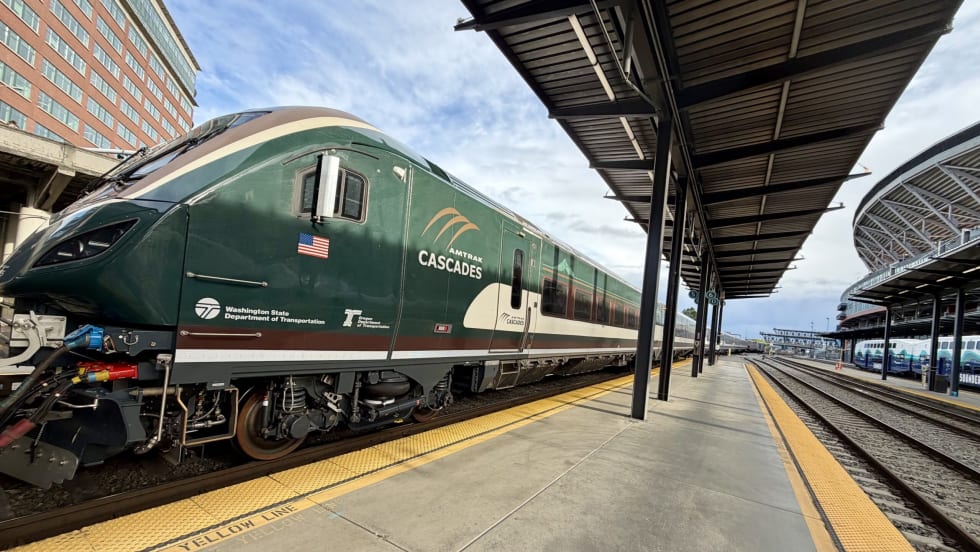
FRA Announces $5.3B in Rail Investments, Including $2B for Amtrak
Funding will support grade-crossing improvements, infrastructure upgrades, and new Amtrak equipment in 23 states.
Read More →
Finding the ‘Happy Medium’: Optimizing Maintenance Without Sacrificing Reliability
The key to maintenance optimization isn’t doing less work—it’s doing the right work at the right time on the right assets.
Read More →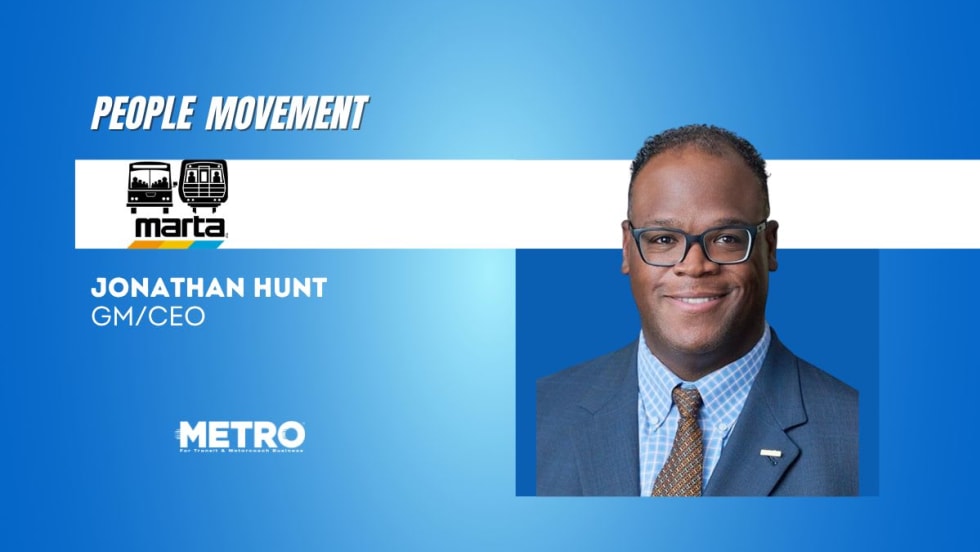
People Movement: MARTA Drops Interim Tag on GM/CEO Hunt and More
In this edition, METRO covers recent appointments and announcements at the FMCSA, HDR, SilverRide, and more, showcasing the individuals helping to shape the future of transportation.
Read More →
VIA Metropolitan Transit Reports 2 Million More Passenger Trips as Better Bus Plan Gains Momentum
San Antonio's transit agency said accelerated service improvements are driving ridership growth, offering another example of how increased frequency and workforce investments can translate into stronger transit performance.
Read More →
ABAF Study Reveals Growing Insurance Crisis for Motorcoach Operators
Preliminary findings show 98% of operators faced premium increases over the past five years, while shrinking insurer participation is putting added pressure on businesses and customers.
Read More →
PSTA Modernizes Workforce Management with Digital Bidding System
The award-winning Workforce Transit Modernization project replaced paper bidding with a transparent digital platform, cutting administrative effort while improving access for operators.
Read More →
Chicago to Host Public Transportation's Biggest Gathering at APTA TRANSform & EXPO 2026
North America’s largest public transportation gathering returns to Chicago, connecting transit decision-makers with the technologies, ideas, and partnerships driving the industry forward.
Read More →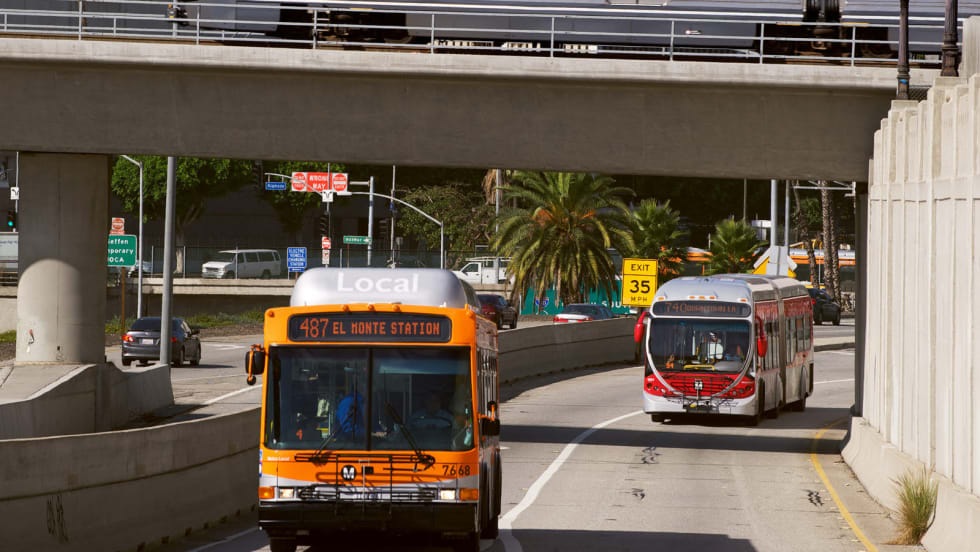
New Tricks for Old Bureaucracies: Joshua Schank on Making Transit Innovation Stick
Former LA Metro Chief Innovation Officer Joshua Schank discusses why good ideas aren't enough, how transit agencies can overcome resistance to change, and why today's challenges demand more innovation.
Read More →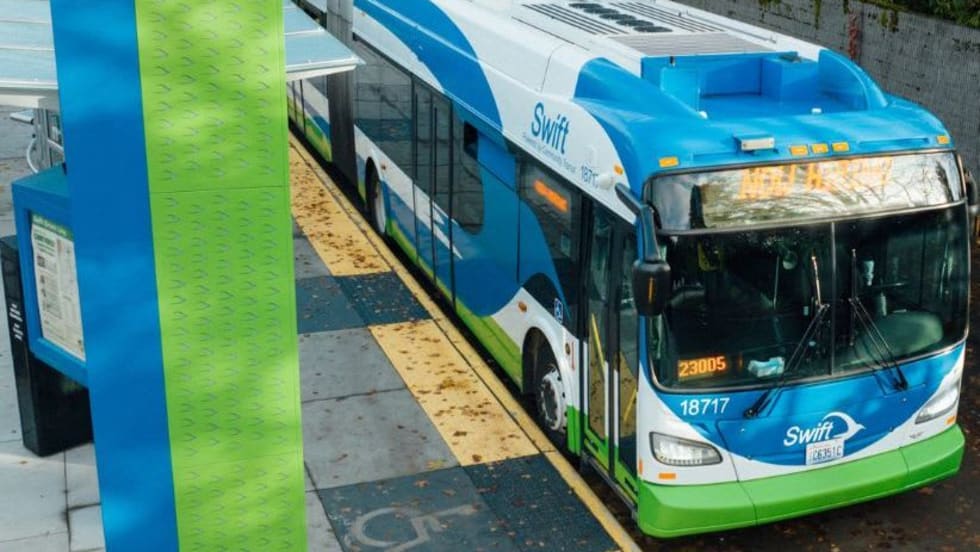
Washington's Community Transit Sets Six-Year Roadmap for Growth, Expansion
Approved TDP targets more bus service, new mobility options, Swift BRT expansion, and a potential Everett Transit annexation.
Read More →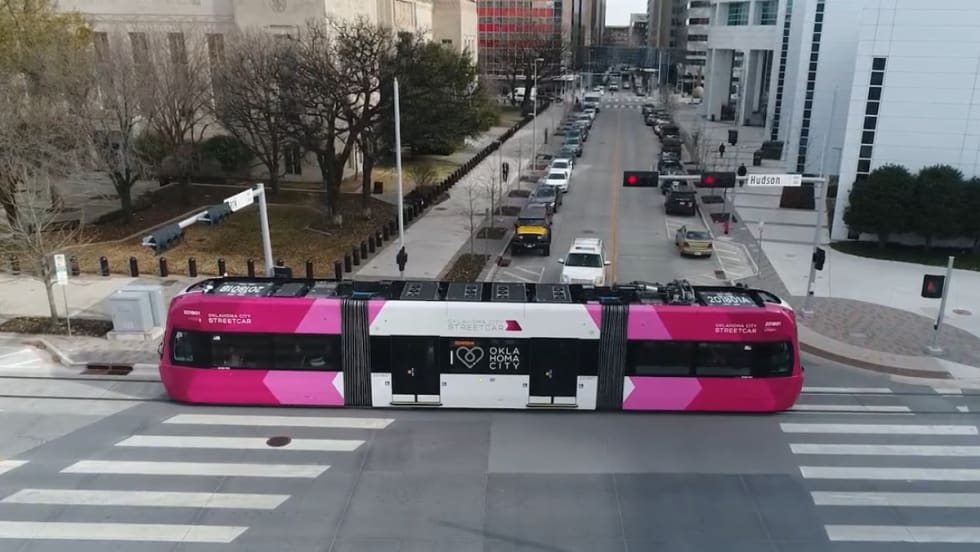
OKC Streetcar Makes Zero-Fare Service Permanent
Ridership increased an average of 71% compared with the same period a year earlier during the fare-free pilot.
Read More →