



Denver’s RTD Taps WSP to Develop Low/No-Emissions Transition Plan
The holistic plan, which is expected to be finalized in late 2024, will outline recommendations for facilities, fixed-route services by fleet type, a replacement schedule, and overall cost projections and proposed timelines.

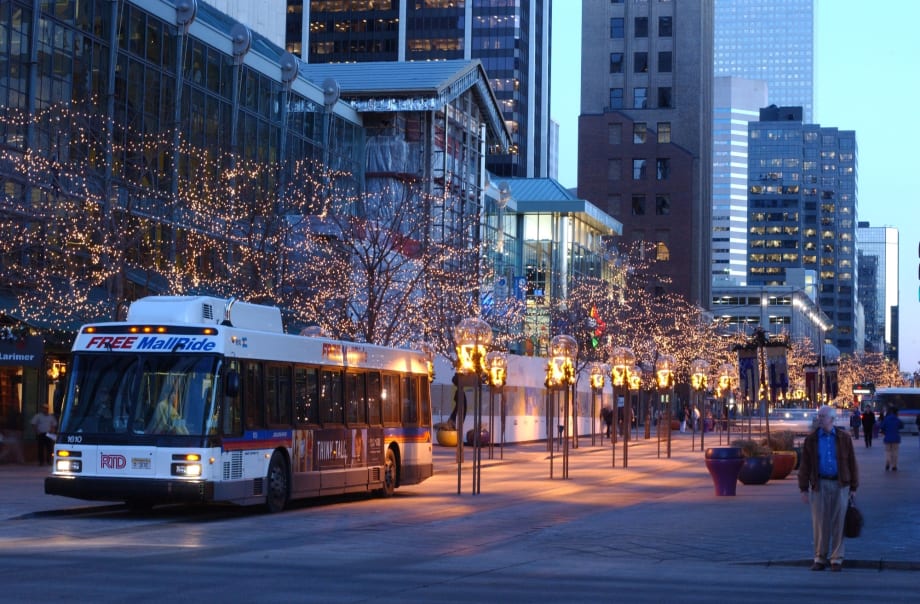
All previously used Denver RTD MallRide buses were replaced in 2017 by a fleet of 36 zero-emission battery electric buses.
Denver RTD
Denver’s Regional Transportation District (RTD) entered into a contract with WSP USA to evaluate the feasibility of transitioning the District’s facilities and fixed-route fleet to low/no-emission operations.
The holistic plan, which is expected to be finalized in late 2024, will outline recommendations for facilities, fixed-route services by fleet type, a replacement schedule, and overall cost projections and proposed timelines.
“RTD remains focused on transitioning to a sustainable energy future,” said Debra A. Johnson, RTD GM/CEO. “The first step in that transition is to understand and consider all aspects of RTD’s system, including its facilities, infrastructure, and transit service delivery model. This plan will guide RTD’s future decisions as the agency transitions to low/no emissions.”
The Road to Selecting WSP
In April, the RTD board authorized the Johnson to enter into a contract for consulting services to develop a holistic Low/No Emission Facilities and Fleet Transition Plan. The agency subsequently released a solicitation on May 23 to select a consultant to lead the planning process.
Now, RTD announced that WSP USA had been selected from among five qualified firms that submitted proposals. WSP’s subject-matter expertise in this area will ensure RTD’s transition plan is not only comprehensive, but also specific to the agency’s needs and operating environment, and it aligns with the federal Bipartisan Infrastructure Law.
WSP USA will immediately begin work on developing the transition plan. In conducting their work, WSP has committed to a 25% disadvantaged business enterprise participation goal, which further aligns with the agency’s commitment to the Strategic Priority of Community Value. The anticipated timeline for completing the full plan is the fourth quarter of 2024.
“This is a monumental and necessary step forward for RTD and the entire Denver metro region,” Johnson said. “RTD is not only planning for tomorrow, but for the tomorrows to come.”
What’s Next?
RTD’s first steps toward a low/no-emission bus fleet transition was taken in 2000 with the deployment of hybrid-electric buses using compressed natural gas along the 16th Street Mall.
In 2008, a subfleet of hybrid diesel-electric fixed-route buses was introduced to the system. Eventually, all previously used MallRide buses were replaced in 2017 by a fleet of 36 zero-emission battery electric buses.
The agency has garnered operational knowledge through the deployment and maintenance of its low- and no-emission vehicles. This knowledge gained over the past two decades will support the development and eventual implementation of the comprehensive transition plan.
More Zero Emissions
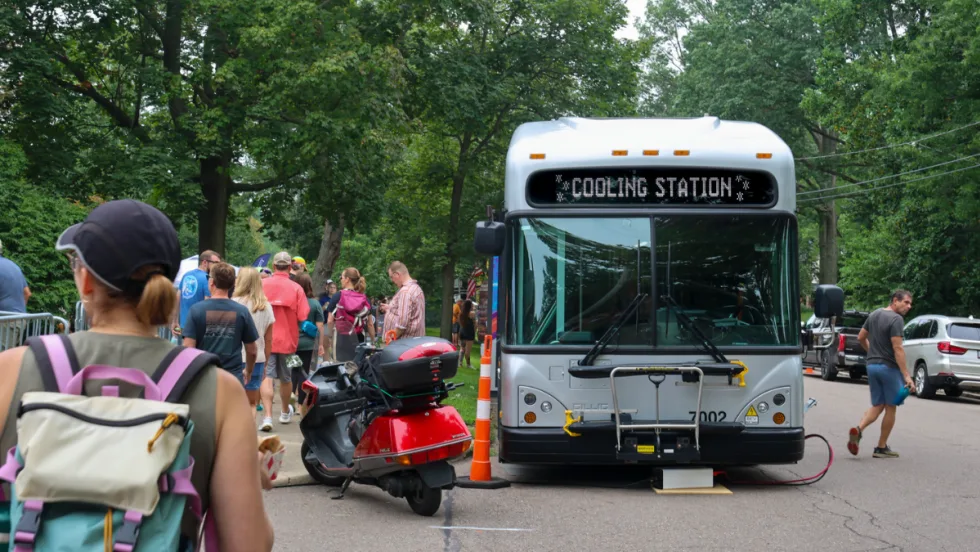
Ohio’s METRO RTA Turns Electric Buses into Mobile Power Sources at PorchROKR
See how three Gillig battery-electric buses powered festival stages while the agency’s new Park & Ride service carried approximately 1,000 attendees, demonstrating another potential use for transit agencies’ electric fleets.
Read More →
CALSTART and Forth Combine to Form Catalyst Mobility
The new name represents a renewed vision for the nonprofit focused on advancing clean, equitable, and affordable transportation solutions that move people and goods.
Read More →
Building a Flexible Path to Transit Electrification
John Hroncich discusses BAE Systems’ modular and scalable approach, lessons learned from decades of real-world operations, and how agencies can identify electrification strategies that fit their fleets.
Read More →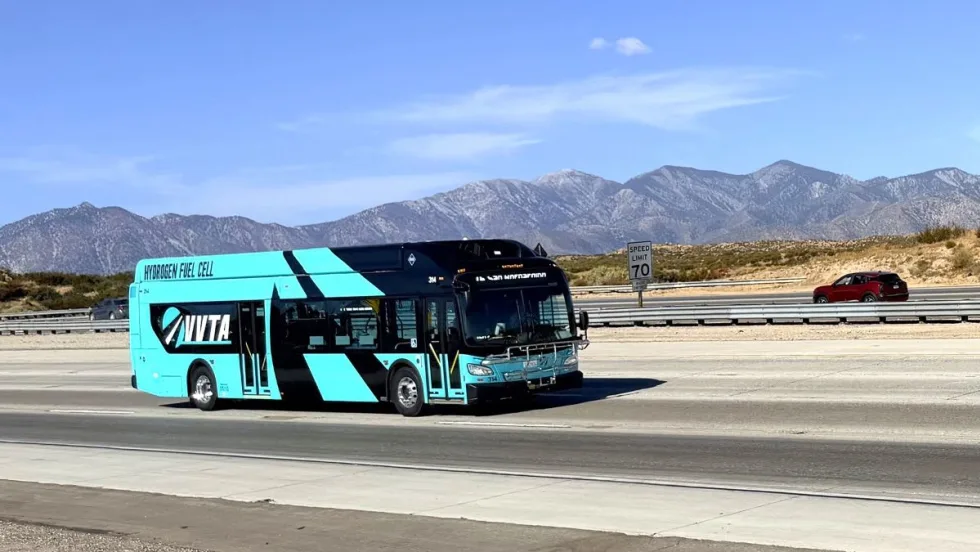
California's VVTA Begins Phased Rollout of Hydrogen Fuel Cell Buses
The agency is introducing 13 zero-emission buses into revenue service while evaluating performance across its urban, rural, and long-distance routes.
Read More →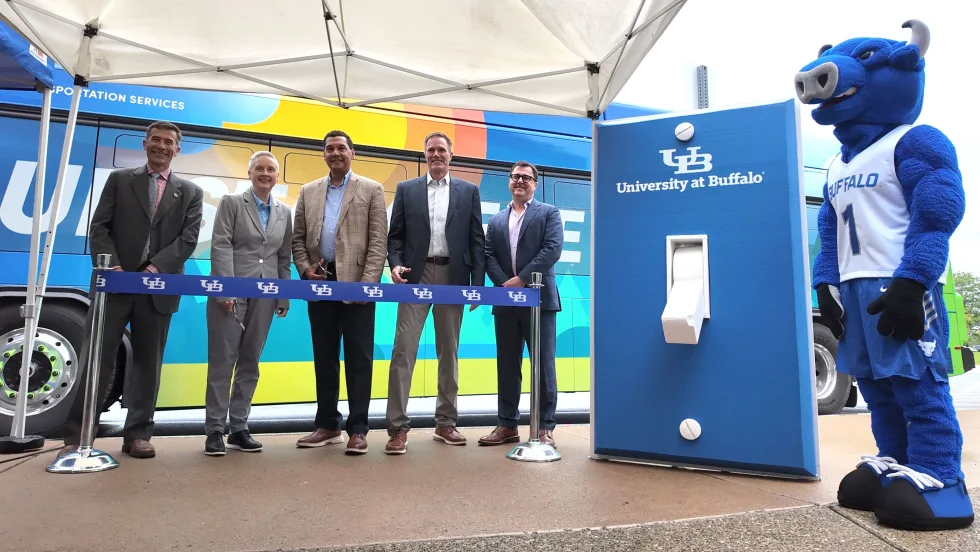
Inside Look: University at Buffalo Puts First 8 Electric Buses Into Stampede Service
UB, transportation solutions provider WeDriveU, and fleet electrification specialist Zenobē marked the deployment in the presence of students, university administrators, and local officials.
Read More →
Biz Briefs: OCTA Taps Clean Energy for Hydrogen Station, Stadler to Supply Via Rail Vehicles, and More
From manufacturers and suppliers to transit agencies and motorcoach operators, these updates offer a snapshot of the projects, partnerships and business moves driving the industry forward.
Read More →
AC Transit’s Cecil Blandon on Building the Next Generation of Transit Maintenance Leaders
The agency’s maintenance chief discusses leadership, workforce development, zero-emission technology, and preparing technicians for the future of public transportation.
Read More →
CTDOT Taps STV for Electric Bus Facility Design
The firm will work with CTDOT and RVT to define the facility layout, operational requirements, and long-term flexibility for RVT’s growing electric fleet.
Read More →
Chicago’s Pace Deploys 24 Hybrid-Electric Buses in Will County
The new buses reduce emissions and fuel consumption while advancing the agency's long-term goal of transitioning to a fully zero-emission fleet.
Read More →
DASH Breaks Ground on First On-Route Electric Bus Chargers in D.C. Region
The fast-charging infrastructure will help extend electric bus range, improve fleet utilization, and support DASH's goal of transitioning to a fully zero-emission fleet.
Read More →