



Florida's PSTA Lowers Property Tax Rate Again
PSTA leaders emphasized that the tax reduction reflects both fiscal responsibility and a commitment to innovation.

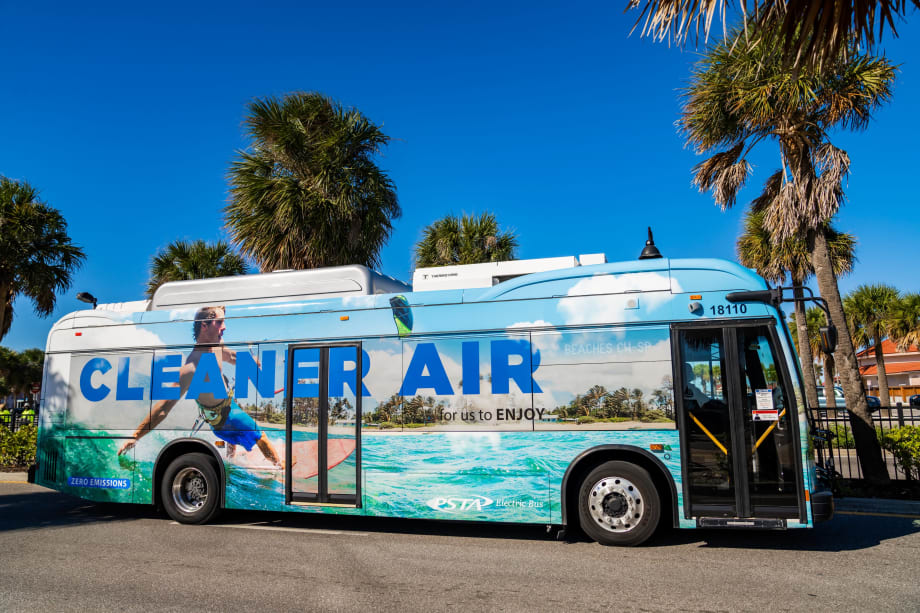
With back-to-back tax reductions, a reimagined countywide network, and new ferry and bus services on the horizon, PSTA officials said they are delivering on two key objectives: stewarding public resources responsibly and building a more connected transit future for Pinellas County.
For the second year in a row, St. Petersburg, Florida’s Pinellas Suncoast Transit Authority (PSTA) approved a balanced budget that reduces the agency’s property tax rate, while also advancing new services and improvements across the transit system.
The rate for 2026 is set at 0.7300 mills, down from 0.7342 mills in 2025 and 0.7500 mills in 2024. One mill equals $1 of tax paid for every $1,000 of taxable value on a property, according to the agency. This establishes the lowest tax rate to fund public transportation services in Pinellas County since 2005.
Supporting New Initiatives
Following the successful launch of the new Grouper airport shuttle service and the Clearwater Ferry in 2025, PSTA’s FY2026 budget will support the introduction of even more new initiatives.
On October 26, the agency’s Connected Community Bus Network will take effect, reorganizing routes and schedules to create a bus system that is clearer, more consistent, and more connected.
The system redesign follows extensive public outreach and is cost-neutral — achieved without any expected cost increases for the agency or taxpayers.
PSTA will also debut SPARK, a high-frequency premium bus service connecting South Pinellas’ Eckerd College and the Skyway Marina District in St. Petersburg with Downtown St. Petersburg and St. Pete Beach.
The agency is also set to expand the Clearwater Ferry to the City of Dunedin in the coming weeks and is working toward launching a new Tampa Bay Ferry service as early as next year.
“PSTA provides vital services to our community — a fact that became even clearer after last year’s hurricanes — and today’s vote shows we can keep supporting that work while also being careful stewards of taxpayer dollars,” said PSTA Board Chair and St. Petersburg City Council Member Deborah Figgs-Sanders.
Remaining Fiscally Viable
PSTA leaders emphasized that the tax reduction reflects both fiscal responsibility and a commitment to innovation.
“We know every dollar counts for Pinellas County taxpayers,” said Brad Miller, CEO of PSTA. “For the second straight year, we’ve lowered the tax rate while continuing to deliver excellent, forward-thinking service that connects people to work, school, and everywhere they need to go.”
Today, PSTA serves more than 30,000 riders daily. Services include:
County-wide bus routes serving all of Pinellas.
Free rides for veterans.
Paratransit services for residents with disabilities.
Innovative transit options such as the SunRunner bus rapid transit line, the Grouper airport express shuttle, and the Clearwater Ferry.
With back-to-back tax reductions, a reimagined countywide network, and new ferry and bus services on the horizon, PSTA officials said they are delivering on two key objectives: stewarding public resources responsibly and building a more connected transit future for Pinellas County.
More Management

NITA Proposes $5B Operating Budget, $9.7B Capital Program for 2027
The proposed budget includes funding for expanded transit service, safety initiatives, fleet upgrades, and infrastructure improvements across CTA, Metra, and Pace.
Read More →
Financing, Fleet Replacement Requires a More Strategic Approach
Executives from ABC Companies and MCI discuss how rising costs, changing market conditions, and post-pandemic challenges are prompting motorcoach operators to rethink financing strategies, fleet replacement cycles, and long-term planning.
Read More →
Bringing Austin’s First Light Rail System to Life
Austin Transit Partnership CEO Greg Canally discusses the city's nearly 10-mile light rail project, its collaborative approach to project delivery, the importance of community engagement, and the milestones ahead as construction approaches in 2027.
Read More →
ETA CEO John Maglio on Transit Technology, Innovation, and Building Agency Trust
ETA founder and CEO John Maglio explores the evolution of transit technology, the importance of reliable systems, and how stronger partnerships can help agencies improve operations and the passenger experience.
Read More →
Metra Draft Plan Outlines Costs, Service Improvements for Regional Rail
The Systemwide Network Plan identifies infrastructure needs and potential investments to expand all-day, bidirectional rail service across the Chicago region.
Read More →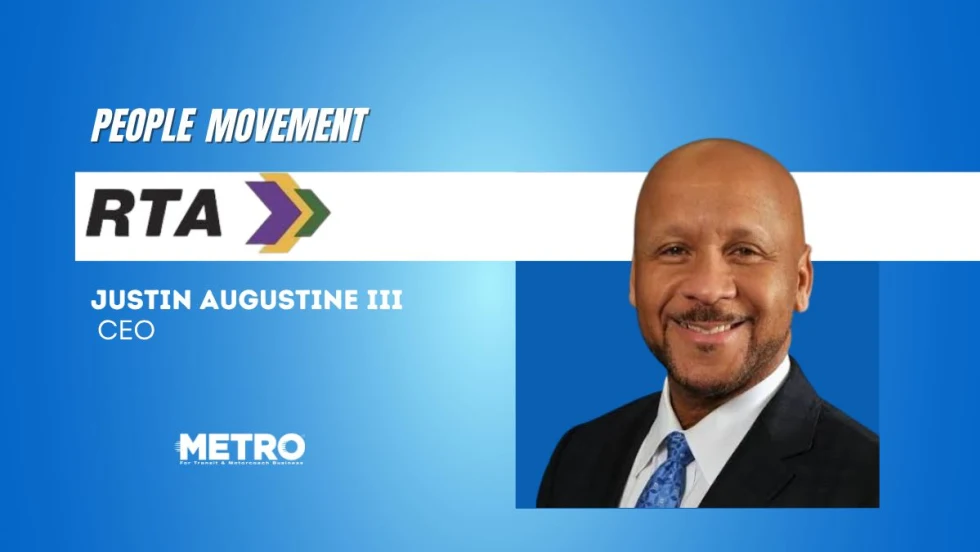
New Orleans RTA Names Augustine III as New CEO
In this edition, we also spotlight recent personnel moves at HDR, PATH, STV, and more, highlighting the people taking on new roles across the transportation industry.
Read More →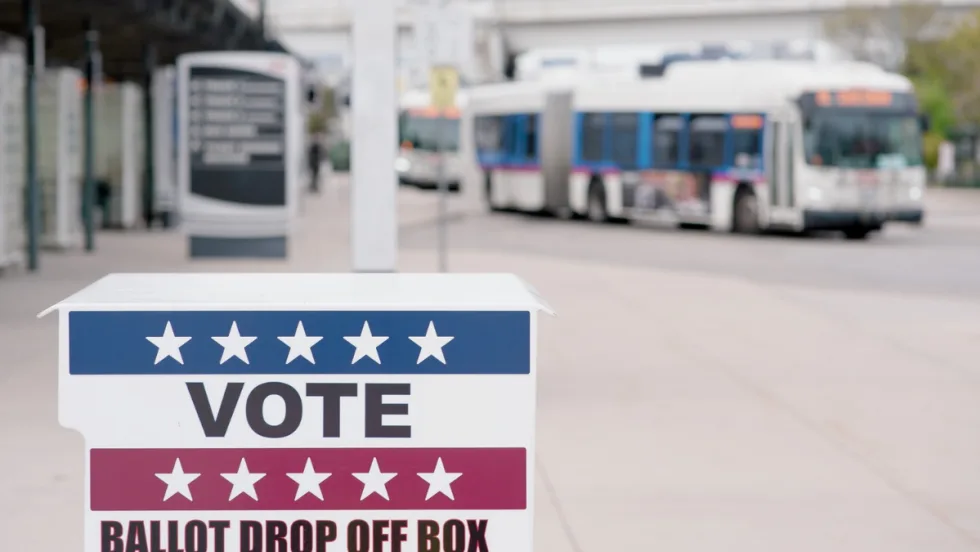
How Transit Agencies Are Using Free Rides to Improve Voting Access
Transit agencies are using fare-free service, trip-planning tools, and targeted rides to improve voting access. See what other agencies can learn from these efforts.
Read More →
Caltrain’s Electrification Drives a New Era of Ridership Growth
The railroad’s shift to electric service has brought more frequent trains, stronger customer satisfaction, and increased ridership, earning it APTA’s Outstanding Public Transportation System award.
Read More →
Chicago, Charlotte Transit Agencies Expand Rider Support Programs
CTA launched crisis intervention teams as CATS prepares to deploy fare ambassadors, expanding customer assistance and security efforts across both systems.
Read More →
New York MTA Launches Historic $1.9B Signal, Track Modernization Project
Funded in part by congestion pricing revenue, the project will replace nearly century-old signals along the A and C lines in Brooklyn and Queens.
Read More →