



Former N.Y. MTA Chairman E. Virgil Conway dies at 85
He spearheaded the preparation and funding for the 2000-2004 Capital Program, which at the time was the most ambitious and far-reaching program in MTA history.

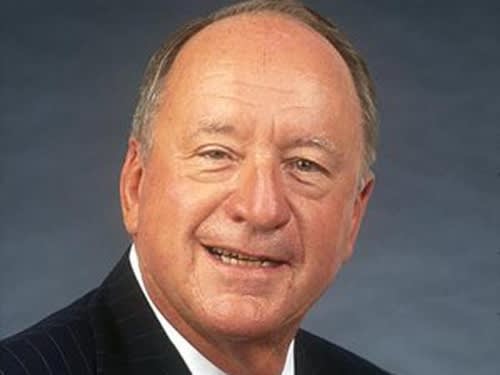

E. Virgil Conway, who served as both New York Metropolitan Transportation Authority (MTA) chairman and member of the MTA Board, died Wednesday in Southampton, N.Y. He was 85.
After finding success as both an attorney and a banker, Virgil began his tenure with the MTA Board as Westchester representative. In 1995, he was asked by then-Gov. George E. Pataki to take on the responsibility of chairman. He continued in that role until March 2001, serving as the seventh chairman of the MTA.
“Virgil was a hugely influential and effective chairman, and many of the successes and accomplishments the MTA celebrates today are the result of his hard work and his heartfelt service to the region,” said MTA Chairman/CEO Thomas F. Prendergast. “He remains a beloved member of the MTA family, and he will be sorely missed.”
Virgil spearheaded the preparation and funding for the 2000-2004 Capital Program, which at the time was the most ambitious and far-reaching program in MTA history. That effort launched several extraordinary projects to expand the system and change the shape of the region’s public transit to fuel its economy and better serve customers.
These megaprojects include the Second Avenue Subway, East Side Access — bringing the Long Island Rail Road directly into Grand Central Terminal — and our recently-completed 7 Train extension to Manhattan’s Far West Side. Virgil’s efforts helped ensure these projects will transform our region, while at the same time improving service reliability by giving customers new ways to get where they’re going — to, from, and within New York City.
Virgil also oversaw the rollout of the MTA’s iconic MetroCard. He implemented fare discounts and eliminated “two-fare zones” — dramatically reducing the average cost of a ride. He brought to fruition the restoration of Grand Central Terminal, which began under his predecessor, Peter E. Stangl. And, he was instrumental in bringing essential components of our system to a state of good repair, continuing the MTA’s decades-long work to rebuild from the graffiti, grime, and overall disrepair of the 1970s and ‘80s.
More Management
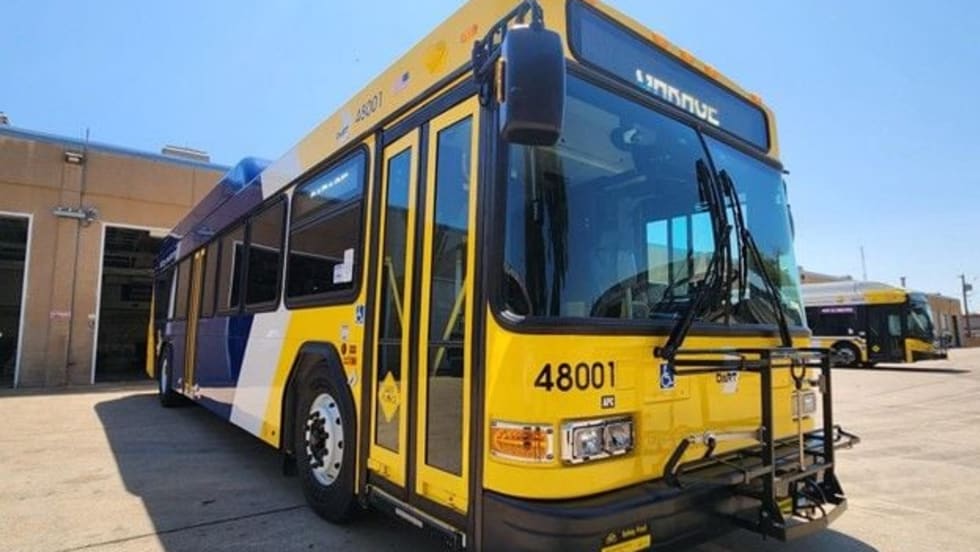
DART Customer Satisfaction Reaches Six-Year High
Overall satisfaction rose to 74.9%, while the agency’s Net Promoter Score reached a record 33.7.
Read More →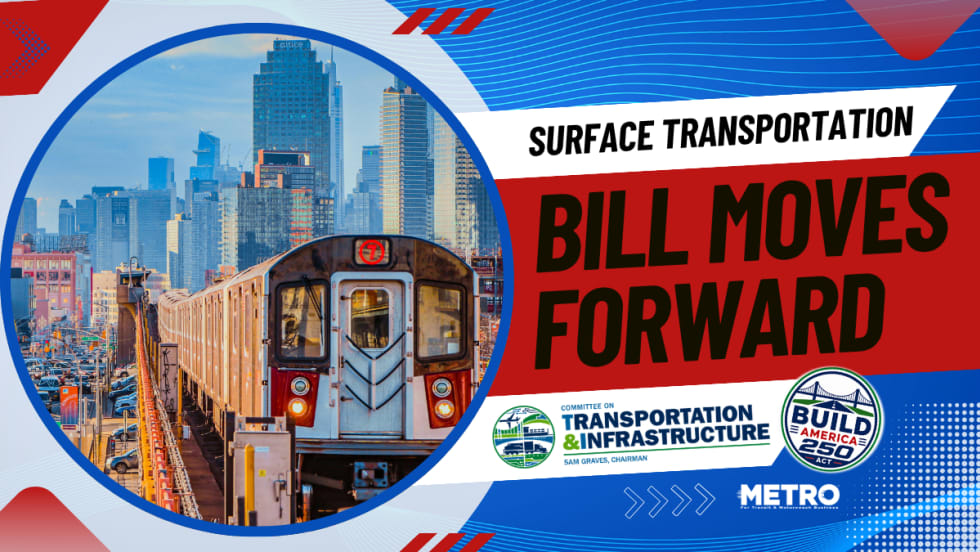
House Surface Transportation Bill Advances as Transit Funding Debate Intensifies
A bipartisan transportation package moving through Congress could redefine how the U.S. funds highways, transit, and motorcoach travel, while igniting new fights over electrification, regulation, and federal priorities.
Read More →
How Data, Strategy, and Community Engagement Are Reshaping Transit
In this edition of METROspectives, strada360 CEO Steve Lassey discusses how transit agencies can better align planning with operations, leverage data to improve decision-making, and build public trust as they prepare for the future of mobility.
Read More →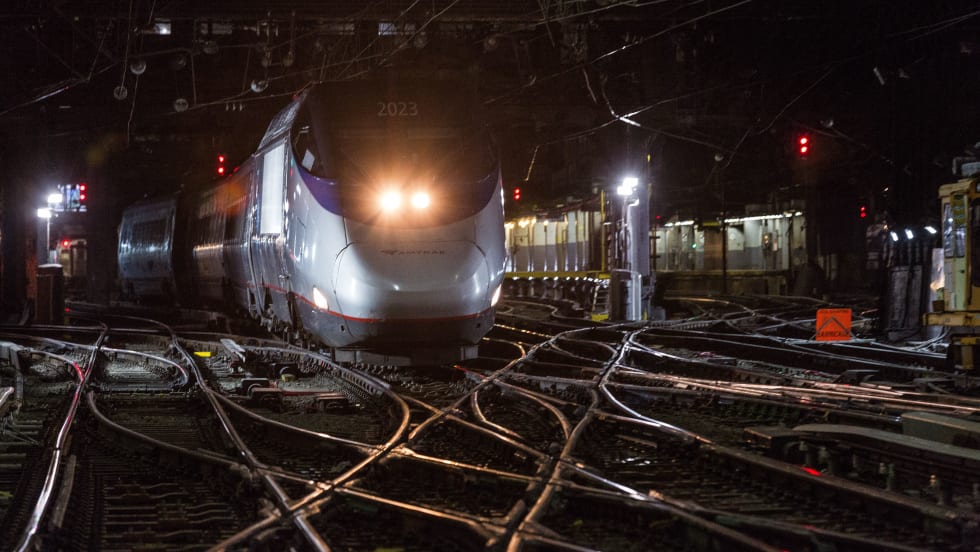
Amtrak Board Advances Plan to Restructure Organization, Seeks Public Input
The proposal, developed by Amtrak management and approved by the board for further consideration, is intended to modernize the organization's structure while improving accountability, operational efficiency, and customer service.
Read More →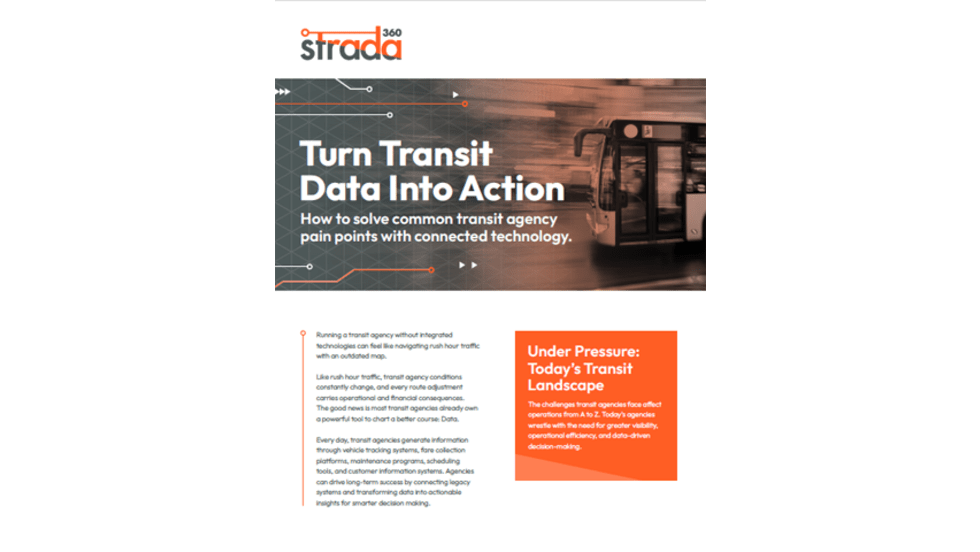
Turn Transit Data Into Action
Discover how leading agencies are using connected technology to gain real-time visibility across operations, improve service reliability, and reduce disruptions.
Read More →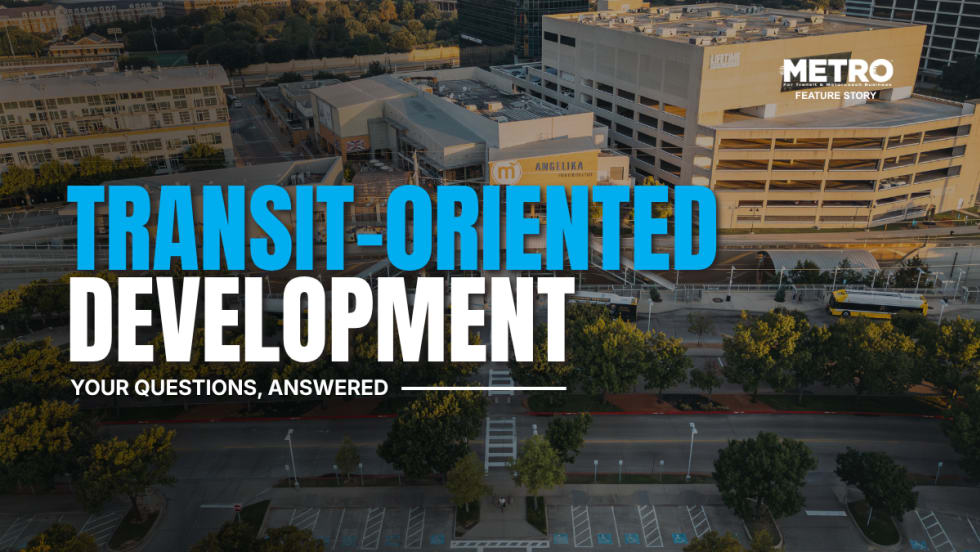
What Transit-Oriented Development Means for the Future of Public Transportation
Once viewed primarily as transit operators, agencies are now leveraging land, partnerships, and long-term planning to boost ridership, expand housing, and strengthen communities.
Read More →
USDOT Announces $22 Million for Transit Innovation, Updates High-Speed Rail Rules
New federal transit funding will support safety, accessibility, and technology projects as updated rail regulations establish new noise standards for high-speed trains.
Read More →
Transportation Construction Coalition Unveils Infrastructure Case Studies Ahead of Federal Funding Deadline
The coalition noted the next surface transportation bill should provide sustained investment in highways and public transit to strengthen freight movement, improve safety, and support economic growth.
Read More →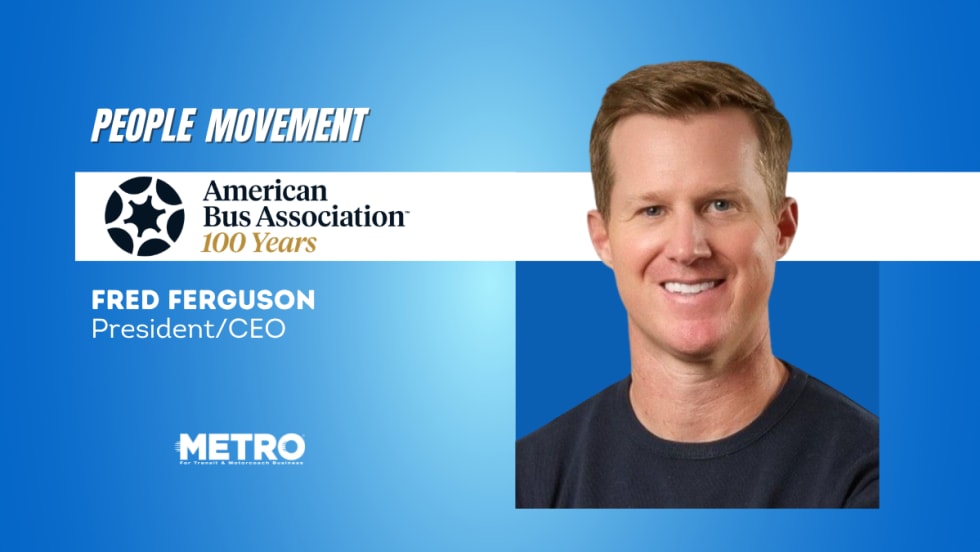
People Movement: American Bus Association Extends Ferguson and More
METRO’s People Movement highlights the latest leadership changes, promotions, and personnel news across the public transit, motorcoach, and people mobility sectors.
Read More →
METRO Magazine Announces 2026 Innovative Solutions Awards Winners
Projects Recognized for Advancing Mobility Through Technology, Accessibility, Workforce Innovation, and Operational Excellence
Read More →