




Consultant Q&A: HNTB's Libberton Shares Tips to Receive Funding
FTA Announces $20M in Grants to Help Communities
FTA’s Areas of Persistent Poverty (AoPP) program provides support to state and local governments, transit agencies, and nonprofit organizations to create better transit for residents with limited or no transportation options.
July 20, 2023

The grants are specifically awarded for studies to improve transit in Census-defined low-income areas.
Photo: FTA
3 min to read
The U.S. Department of Transportation’s Federal Transit Administration (FTA) announced that it will award $20 million to 47 communities to help improve public transportation options in areas experiencing long-term economic distress.
FTA’s Areas of Persistent Poverty (AoPP) program provides support to state and local governments, transit agencies, and nonprofit organizations to create better transit for residents with limited or no transportation options.
“Across the country, people who live in low-income rural, urban, and Tribal communities are less likely to own a car and more likely to rely on public transit,” said U.S. Transportation Secretary Pete Buttigieg. “Through this program, we are bringing affordable, accessible public transit to the very communities that need it the most, making it possible for more people to access jobs, resources, and opportunity.”
Areas of Persistent Poverty Program Improvements
Investments from the Areas of Persistent Poverty program can be used to support efforts to initiate transit service as well as improve service and modernize fleets, from procuring low- and no-emission buses, to launching scheduling apps and improving bus stops.
They also deliver on our commitments to invest in projects that provide benefits to communities with environmental justice concerns.
“Transit is the great equalizer, providing rides for those who do not have a car or cannot drive, and particularly in rural and Tribal areas, having access to an affordable, reliable bus ride can mean the difference between isolation and opportunity,” said FTA Administrator Nuria Fernandez. “FTA’s Areas of Persistent Poverty Program is about forging connections for people who need accessible transit the most.”
FTA's Selected Projects for Grants
The grants are specifically awarded for studies to improve transit in Census-defined low-income areas.
The program also supports coordinated human service transportation planning to improve mobility and access or provide new services, including paratransit.
Some of the selected projects include:
The Greater Bridgeport Transit Authority in Connecticut will receive $450,000 to conduct a planning analysis targeting underserved communities. It will develop policy and planning processes that link equity with transit investment; a fleet, facility, and deployment plan to transition the bus fleet to zero-emission propulsion systems; and an educational program for residents and business owners to better inform them about transit and mobility options.
The Chicago Transit Authority (CTA) will receive $778,500 to assess whether to reopen the historic Englewood (Green) Line Racine station with modern accessibility standards. The station, which closed nearly 30 years ago, is recognized as a key investment to revitalize the neighborhood.
In Mississippi, the Jackson Medical Mall Foundation will receive $612,684 to develop a framework to expand transportation options with a community-based transportation model allowing residents to search, book, and ride on available transit assets. The proposed plan looks to improve public transportation by improving efficiency and ensuring their system meets the needs of individuals who lack access to jobs, schools, healthcare, and public services in Central Mississippi and throughout the state.
The Cherokee Nation, located in Northeastern Oklahoma, will receive $576,188 to update its long-range transit plan to guide the planning, construction, and deployment of future tribal transit projects. The review will include an electric vehicle infrastructure assessment to plan for expansion and a technology assessment designed to increase user access for its 450,000 tribal citizens.
FTA received applications totaling close to $36 million in funding requests. Projects were selected based on criteria described in the Notice of Funding Opportunity.
More Management

Bringing Austin’s First Light Rail System to Life
Austin Transit Partnership CEO Greg Canally discusses the city's nearly 10-mile light rail project, its collaborative approach to project delivery, the importance of community engagement, and the milestones ahead as construction approaches in 2027.
Read More →
ETA CEO John Maglio on Transit Technology, Innovation, and Building Agency Trust
ETA founder and CEO John Maglio explores the evolution of transit technology, the importance of reliable systems, and how stronger partnerships can help agencies improve operations and the passenger experience.
Read More →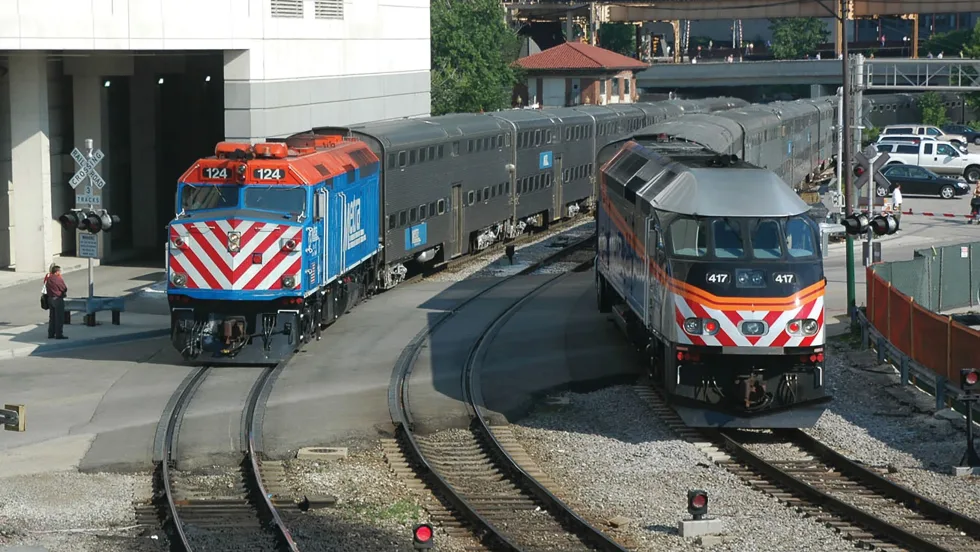
Metra Draft Plan Outlines Costs, Service Improvements for Regional Rail
The Systemwide Network Plan identifies infrastructure needs and potential investments to expand all-day, bidirectional rail service across the Chicago region.
Read More →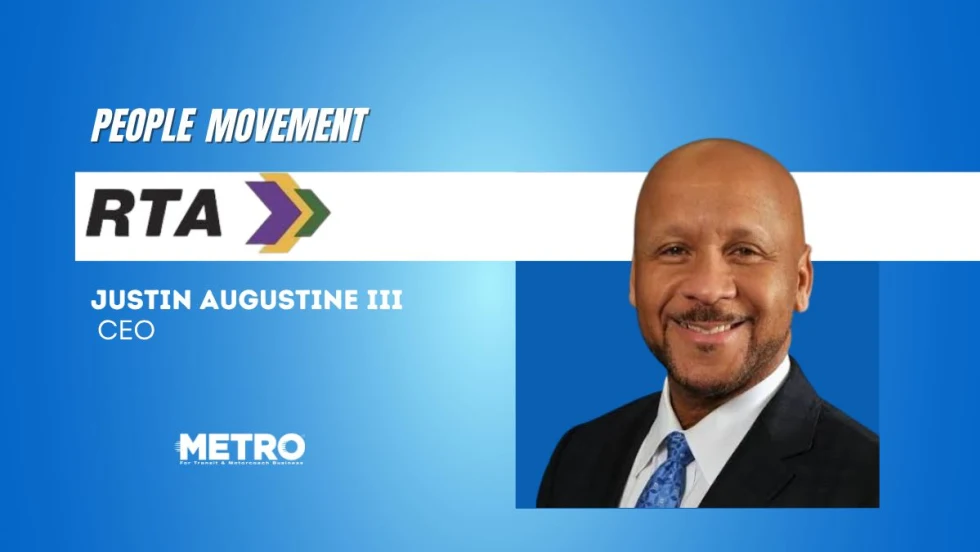
New Orleans RTA Names Augustine III as New CEO
In this edition, we also spotlight recent personnel moves at HDR, PATH, STV, and more, highlighting the people taking on new roles across the transportation industry.
Read More →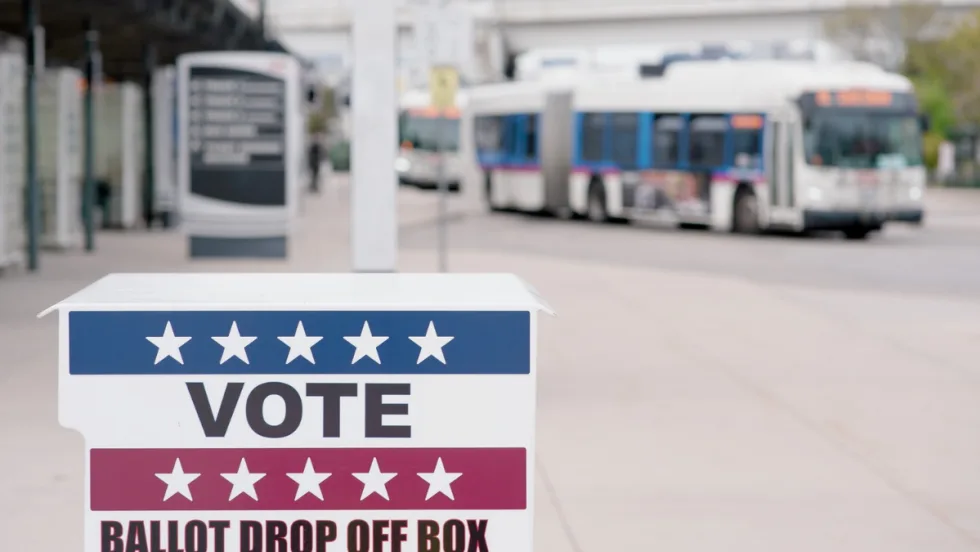
How Transit Agencies Are Using Free Rides to Improve Voting Access
Transit agencies are using fare-free service, trip-planning tools, and targeted rides to improve voting access. See what other agencies can learn from these efforts.
Read More →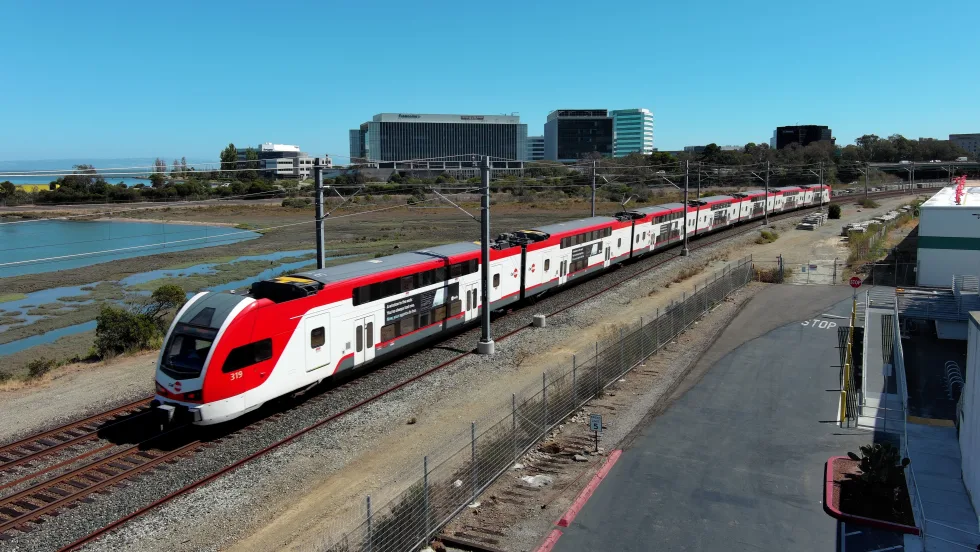
Caltrain’s Electrification Drives a New Era of Ridership Growth
The railroad’s shift to electric service has brought more frequent trains, stronger customer satisfaction, and increased ridership, earning it APTA’s Outstanding Public Transportation System award.
Read More →
Chicago, Charlotte Transit Agencies Expand Rider Support Programs
CTA launched crisis intervention teams as CATS prepares to deploy fare ambassadors, expanding customer assistance and security efforts across both systems.
Read More →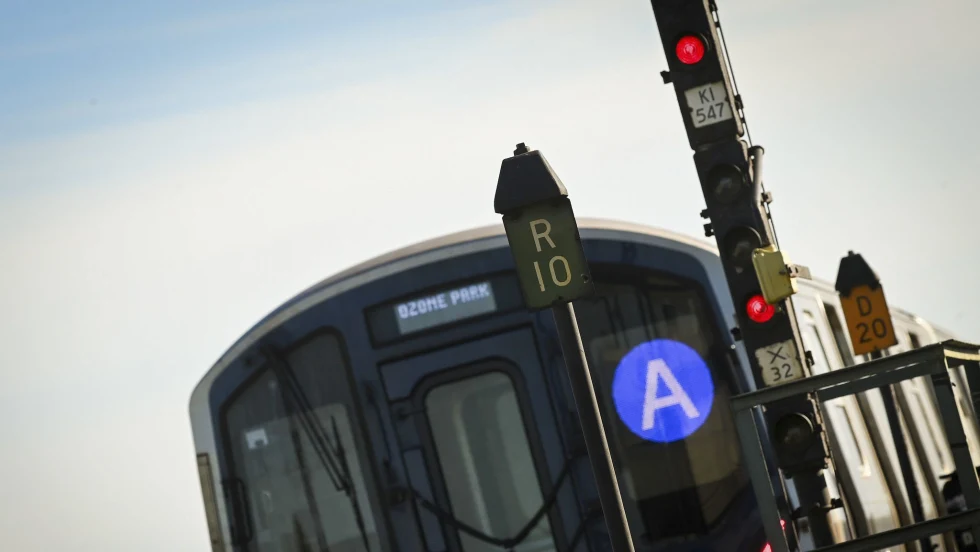
New York MTA Launches Historic $1.9B Signal, Track Modernization Project
Funded in part by congestion pricing revenue, the project will replace nearly century-old signals along the A and C lines in Brooklyn and Queens.
Read More →
Brian Dickson on Building Stronger, More Resilient Transportation Organizations
Bus Business Consultants Founder Brian Dickson discusses the leadership principles, operational discipline, and strategic planning that separate transportation companies positioned for long-term success from those stuck in survival mode.
Read More →
LA Metro Breaks Ground on Vermont BRT Project
The 12.4-mile corridor is projected to serve 66,200 daily riders, reduce travel times by up to 24%, and create the nation's busiest bus rapid transit corridor.
Read More →