



3 Agencies Land $631M in FTA Funds for Railcar Vehicle Replacement
The investment, a part of President Biden’s Investing in America agenda, will improve transportation systems across the nation while creating good-paying jobs and boosting economic competitiveness.

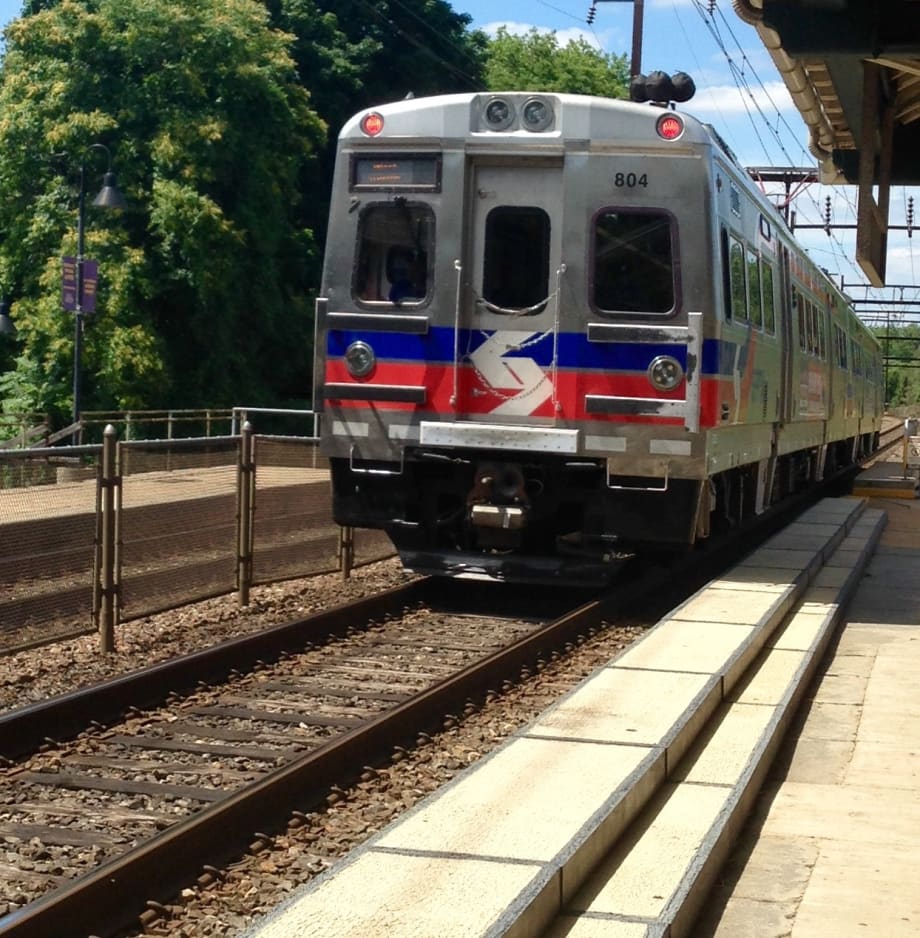
SEPTA will receive approximately $317 million to buy up to 200 new rail cars to replace older railcars that have been in service for nearly 25 years, operating along the Market Frankford Line, the most heavily used line in SEPTA’s system.
Photo: SEPTA
The Federal Transit Administration (FTA) announced $631 million in grants to improve rail transit safety and reliability for passengers through the purchase of new American-made railcars.
The investment, a part of President Biden’s Investing in America agenda, will improve transportation systems across the nation while creating good-paying jobs and boosting economic competitiveness.
The grants announced through FTA’s Rail Vehicle Replacement Program will help transit agencies in Chicago, Philadelphia, and Baltimore replace older vehicles with 300 new railcars, making transit safer, opening new opportunities for people with disabilities, and modernizing their transit systems.
Projects Awarded
The selected Rail Vehicle Replacement Program projects are:
Chicago:Metra will receive $100 million to buy 50 modern, multi-level railcars that will feature new passenger safety, accessibility, and rider comfort amenities to replace older railcars that have been in service for more than 40 years.
Philadelphia: The Southeastern Pennsylvania Transportation Authority will receive approximately $317 million to buy up to 200 new railcars to replace older rail cars that have been in service for nearly 25 years, operating along the Market Frankford Line, the most heavily used line in SEPTA’s system.
Baltimore: The Maryland Department of Transportation Maryland Transit Administration will receive approximately $214 million to buy 52 new light rail vehicles to replace older vehicles that have been in service for more than 25 years.
“Newer, better railcars will mean a safer, more reliable, more accessible transportation future for the people of these communities,” said FTA Administrator Nuria Fernandez. “These cars also represent hundreds of jobs in American factories, building the next generation of American transit. We are proud to select these projects to improve passenger rail service for riders across the nation.”
The Need for New Railcars
One-third of subway and commuter rail vehicles in the U.S. are more than 25 years old, and these older railcars contribute to delays, increased maintenance costs, and customer dissatisfaction.
Older railcars also lack amenities, such as digital signage and audio tools that improve the riding experience and access and may also lack direct access for people with disabilities.
All railcars purchased with federal funding, including through this program, must comply with the Buy America Act. At least 70% of the railcar must be made in the U.S. and final assembly must be done in the U.S.
Today’s investment is the second Rail Vehicle Replacement Program package funded by President Biden’s Bipartisan Infrastructure Law, which has now invested approximately $1.3 billion to replace rail vehicles nationwide. In May 2023, FTA allocated approximately $703.1 million to six projects through the program.
Overall, the Bipartisan Infrastructure Law invests a total of $1.5 billion in new funding for railcar replacement through FY 2026 to improve safety and reliability.
Projects were selected for funding based on criteria described in the Notice of Funding Opportunity. In response to the funding opportunity, FTA received nearly $1.97 billion in funding requests.
More Rail

New York MTA Advances Final Contract for Second Avenue Subway Expansion
Contract Four is the largest in the Second Avenue Subway Phase 2 project and includes construction of station infrastructure, tracks, and signals for the subway expansion, MTA officials said. Work on Contract Four will begin in 2027.
Read More →
San Diego MTS Breaks Monthly Trolley Ridership Record
Agency officials said July’s ridership indicates MTS’s continued recovery from the pandemic.
Read More →
Report Examines NJ TRANSIT Reliability, Funding Challenges
The Garden State Initiative analysis examines the roles of Amtrak infrastructure, fleet management, and agency operations while recommending a more performance-based approach to improving reliability.
Read More →
Stadler, CapMetro Sign Long-Term Rail Fleet Support Agreement
Beginning in 2027, Stadler will provide on-site technical expertise, spare parts support, training, and obsolescence management to help extend the reliability and longevity of CapMetro’s GTW fleet.
Read More →
Biz Briefs: Alstom Lands Canadian Contract, LYT to Supply California TSP, and More
In METRO's latest installment, we take a look at recent news from Complete Coach Works, Beep, FlixBus, and more partnerships making headlines across the transportation sector.
Read More →
CATS Gold Line Marks 5 Years of Service, 2.8M Passenger Trips
With a six-mile expansion planned, the Charlotte streetcar is positioned to connect more neighborhoods and major transit hubs across the region.
Read More →
Why Simulating Pedestrian Movement Has Become Essential for Modern Rail Stations
Pedestrian microsimulation is helping rail planners identify bottlenecks, test station designs, and prepare complex transit hubs for growing passenger volumes.
Read More →
Amtrak Begins Major Construction at New York’s Sunnyside Yard
The new maintenance facility will support Amtrak’s Airo trainsets while improving maintenance efficiency and turnaround times in New York.
Read More →
Chicago Leaders Unveil Plans for O’Hare Airport Express Train
The privately developed project would offer a 15-minute trip between downtown and O’Hare’s Terminal 2, with trains operating every 15 minutes on a dedicated track. The service would use battery-electric trains and three existing freight rail rights-of-way.
Read More →
OCTA Maps Out 30-Year Strategy to Protect Coastal Rail Corridor
The draft feasibility report identifies strategies to protect the coastal rail line for decades as the agency continues near-term stabilization and sand placement efforts.
Read More →