



FTA Makes $5B in Transit Funding Available Through Formula Grants
The funds were made available under the Further Extending Government Funding Act, which provides partial-year spending authority through February 18, 2022.
The U.S. Federal Transit Administration (FTA) announced that nearly $5 billion in Fiscal Year 2022 transit formula funding is available to transit agencies, states, and Tribal governments to support public transportation — and public transportation jobs — throughout the country. The apportionment tables, which show a breakdown of funding based on statutory formulas, are available here.
“People rely on buses, trains, and ferries to get where they need to be every day,” said U.S. Transportation Secretary Pete Buttigieg. “President Biden’s Bipartisan Infrastructure Law makes the largest investment in public transit in history, which means that more Americans will have access to great transportation, our communities will have less traffic congestion, and the air will be cleaner for our children.”
The funds were made available under the Further Extending Government Funding Act, which provides partial-year spending authority through February 18, 2022. The amounts also include funding identified as advance appropriations in the Bipartisan Infrastructure Law for Fiscal Year (FY) 2022 for the State of Good Repair and the Enhanced Mobility of Seniors and Individuals with Disabilities formula programs.
FTA distributes formula funds to state Departments of Transportation, Tribal nations, and urbanized areas. Formula-based grant programs include funding for transit systems in both urbanized and rural areas, grants for buses, and bus facilities — including low- and no-emission buses — transit designed for seniors and people with disabilities, planning funds, and support to improve the condition of transit assets.
Full-year formula funding will be available once Congress passes an FY 2022 appropriations bill. Once enacted, transit funding will be available at the levels proscribed by the Bipartisan Infrastructure Law to support transit in 500 urban communities across the country and rural transit systems nationwide. That’s approximately 35% more funding than previous years, allowing hundreds of transit agencies to buy new buses and railcars, improving reliability, and transit service.
The apportionment tables specify the funding available to the nation’s states, urbanized areas, and Tribal governments through FTA formula programs for the first 4.5 months of FY 2022.
The tables allow transit agencies and grant recipients to view the amounts for programs set by statutorily defined formulas so they can better plan and manage over the long term for new projects and address their repair backlogs.
More Management
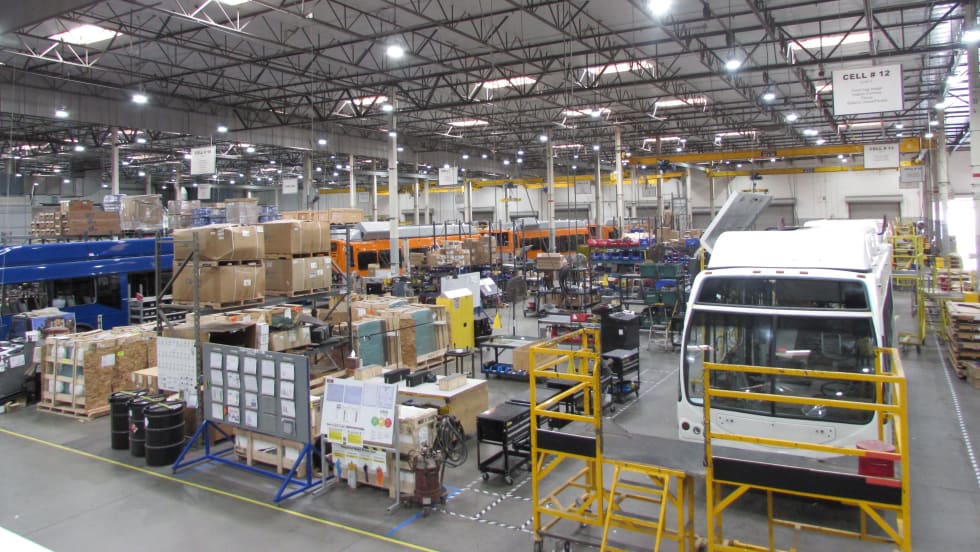
LA Metro Board Awards 220 Battery-Electric Bus Contract to ENC
The contract, which is the largest base award of battery-electric buses by a U.S. transit agency, will be built in Southern California, sustaining good jobs as LA prepares to welcome the world in 2028
Read More →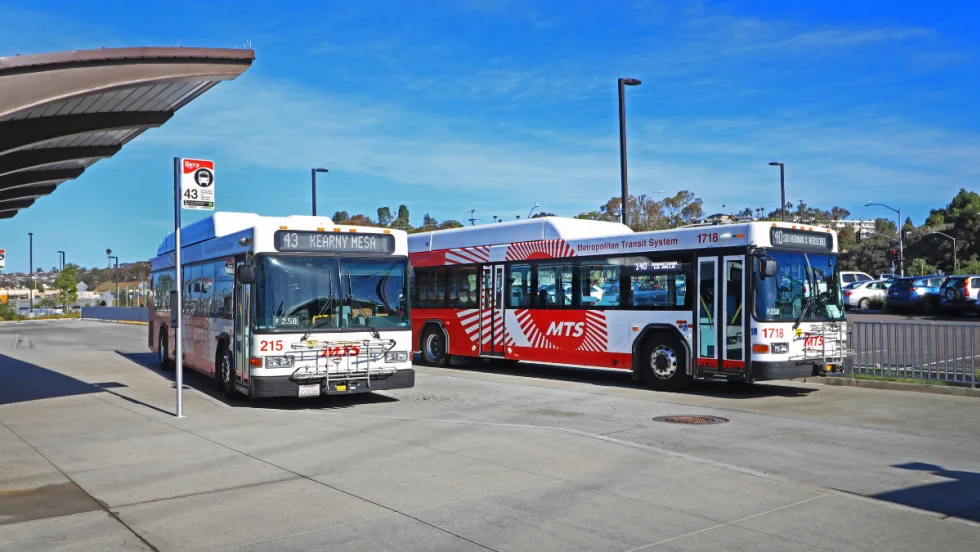
What’s Behind San Diego MTS’s Award-Winning Transit Strategy
Named one of APTA’s 2026 Outstanding Public Transportation Systems with 50 million or more annual passenger trips, California’s San Diego Metropolitan Transit System points to gains in ridership, safety, technology, and reliability as foundations of its success.
Read More →
Public Transit Conference Returning to GFX in 2027, Call for Papers Now Open
The Call for Papers is now open, allowing transit agency professionals and industry experts to help shape the PTC educational program by submitting session ideas for consideration.
Read More →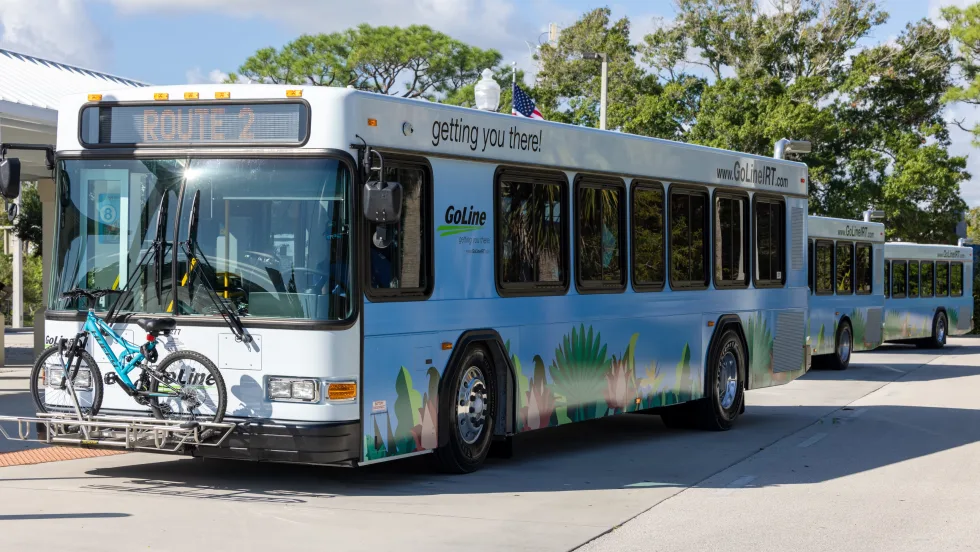
Indian River Transit’s Community-Focused Approach Earns National Recognition
Named APTA’s 2026 Outstanding Public Transportation System in its size category, Florida’s Indian River County transit system continues to grow ridership through fare-free service and a focus on evolving community needs.
Read More →
ENC Lands MATA Contract and More in Biz Briefs
In this edition of Biz Briefs, we spotlight the latest developments shaping the future of mobility.
Read More →
From Surviving to Thriving: Building Stronger Transportation Organizations
Bus Business Consultants founder Brian Dickson shares lessons on leadership, organizational health, and creating options for long-term success in a changing transportation industry.
Read More →
Everett Transit, Community Transit Outline Consolidation Agreement
The proposed agreement calls for a 50% increase in bus service in Everett, a new microtransit zone, continued paratransit service, and the transfer of Everett Transit operations to Community Transit.
Read More →
Strada360’s Steve Lassey on Turning Transit Data Into Better Decisions
From breaking down data silos to preparing for AI, Strada360 CEO Steve Lassey discusses how transit agencies can use technology to improve operations, customer information, and long-term decision-making.
Read More →
People Movement: Phil Washington Joins HNTB, Denver RTD Launches CEO Search, and More
In this edition, we also spotlight recent personnel moves at STV, the Eno Center for Transportation, and more, highlighting the people taking on new roles across the transportation industry.
Read More →
SEPTA Details Accelerate Vision for Transit System
The plan outlines investments in trolley modernization, new Metro and Regional Rail vehicles, accessible stations, and more frequent bus and rail service.
Read More →