



Gov. announces transformative transit plan for Baltimore
The multi-phase plan will create an interconnected transit system, known as BaltimoreLink, and includes redesigning the entire local and express bus systems throughout Baltimore and adding 12 new high-frequency, color-coded bus routes that improve connections to jobs and other transit modes.

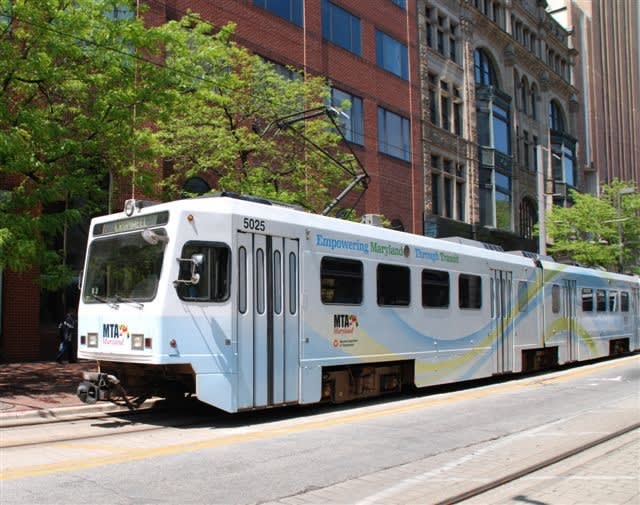
Gov. Larry Hogan announced $135 million in targeted investments to transform and improve transit throughout the Baltimore metropolitan area. The multi-phase plan will create an interconnected transit system, known as BaltimoreLink, and includes redesigning the entire local and express bus systems throughout Baltimore and adding 12 new high-frequency, color-coded bus routes that improve connections to jobs and other transit modes.
“This comprehensive plan signifies the state's long-term commitment to the future of Baltimore City by providing a more reliable and timely transit experience, and better connections to jobs,” said Gov. Hogan. “For years, Maryland's largest and most important city had an antiquated and broken transit system, but with this vision, the people of Baltimore and surrounding jurisdictions will finally be able to travel conveniently, efficiently and affordably from where they live to where they work.”
The BaltimoreLink system will deliver a unified transit network and includes renaming existing Maryland Transit Administration modes: LocalLink (Local Bus), Light RailLink, Metro SubwayLink and MobilityLink to create an interconnected transit system. The BaltimoreLink system includes several components: CityLink, LocalLink, Light RailLink, Metro SubwayLink, MobilityLink, Express BusLink and BicycleLink. The BaltimoreLink system will debut when the new CityLink high-frequency bus service starts in summer 2017.
A major component of the BaltimoreLink system is CityLink — 12 new, high-frequency, color-coded bus routes that will improve reliability and better connect riders to Amtrak, Commuter Bus, Light RailLink, MARC Train, Metro SubwayLink and other services in Baltimore and the surrounding suburbs. In Baltimore City, new CityLink routes will run every 10 minutes during peak periods and every 15 minutes during the midday.
The new CityLink buses will be specially branded and travel on color-coded routes with easy-to-read signage and detailed maps that will make the system easier to use. The CityLink bus routes, Light RailLink and Metro SubwayLink will form an interconnected, one-transfer system. On the new system, a rider will be able to get from any stop to any other stop with only one transfer.
Improving Access to Jobs
Connecting to job markets is an integral part of the plan and will be accomplished through the addition of five new Express BusLink services in June 2016 to improve suburb-to-suburb job connections. The five new routes will improve connections between major suburban job centers, including: Fort Meade, Owings Mills, BWI Thurgood Marshall Airport, Towson Town Center, Pikesville and White Marsh. Funds also will initiate two new Commuter Bus services from Baltimore, one to Aberdeen Proving Ground and one to Annapolis/Kent Island, and expand existing service from Baltimore to Columbia.
Additionally, a new shuttle service will connect the Odenton and Savage MARC Train stations with Fort Meade, one of the largest employers in Maryland. These new and expanded commuter services will start in January 2017.
Delivering Efficient Transit
To increase speed, efficiency and reliability of transit in Baltimore, the plan also includes the following targeted investments:
Transitways - east-west and north-south dedicated bus lanes to provide efficient, high-speed travel through downtown Baltimore.
Transit Signal Priority - technology installed on all 200 CityLink buses and 200 key intersections throughout the city to increase reliability and speed by holding green lights longer or shortening red lights.
Transit Hubs – construction of at least six multi-modal facilities throughout Baltimore to improve transit connectivity, and pedestrian and bicycle access. Transit Hub sites include: West Baltimore MARC Station, Penn North Metro Station, Johns Hopkins Bayview and Penn Station.
More Management

METRO Opens Submissions for 2026 Motorcoach Awards
Nominations are now being accepted for METRO Magazine’s Operator of the Year and Innovative Operator of the Year awards.
Read More →
New York MTA Advances Final Contract for Second Avenue Subway Expansion
Contract Four is the largest in the Second Avenue Subway Phase 2 project and includes construction of station infrastructure, tracks, and signals for the subway expansion, MTA officials said. Work on Contract Four will begin in 2027.
Read More →
Transit Agencies Highlight Safety Gains at National Summit
Leaders from 15 major transit systems shared crime-reduction results and safety initiatives while discussing the role of continued federal support.
Read More →

NITA Names New Leadership, Expands Reduced-Fare Program at First Board Meeting
The new regional transit authority appointed its first board chair and interim executive director while extending reduced fares across CTA, Metra, and Pace for eligible riders.
Read More →
Beyond the Checklist: A Structured Approach to Transit Maintenance
Reliability-Centered Maintenance helps transit agencies move beyond routine checklists to focus limited resources on the assets and failures that have the greatest impact on safety, reliability, and service.
Read More →
APTA 2026 Nominating Committee Selects Leadership Slate, Names Chair and Vice Chair Nominees
Leadership changes will help shape the association’s priorities and its representation of the transportation industry during the 2026–2027 term.
Read More →
DART Launches Major Security, Fare Enforcement Initiative
The 90-day demonstration will deploy coordinated security teams at five light rail stations while testing controlled access and gathering data to guide future investments.
Read More →
Advancing Fare Collection Through Technology and Innovation
Learn about delivering 1300 gates at 91 stations while managing fare evasion. Explore the large scale deployment, solution customization and real-world results that affect the region. Prepare for deployment in your region now.
Read More →
Game Day in Motion: Moving Millions During the 2026 World Cup
Between packed transit stations and team motorcoaches, see how agencies and operators across North America tackled the transportation demands of the 2026 FIFA World Cup.
Read More →
Surface Transportation Extension Averts Shutdown, Leaves Transit Funding Gap
The stopgap keeps federal transportation programs moving, but missing advance funding could complicate the transit and rail projects agencies are planning next.
Read More →