



Public Transit: An Economic Powerhouse on Wheels
In cities across the U.S., when people see a bus go by, they can sometimes just blend into everyday life. What they miss seeing is that public transit is an incredibly powerful driver of economic prosperity and community transformation.

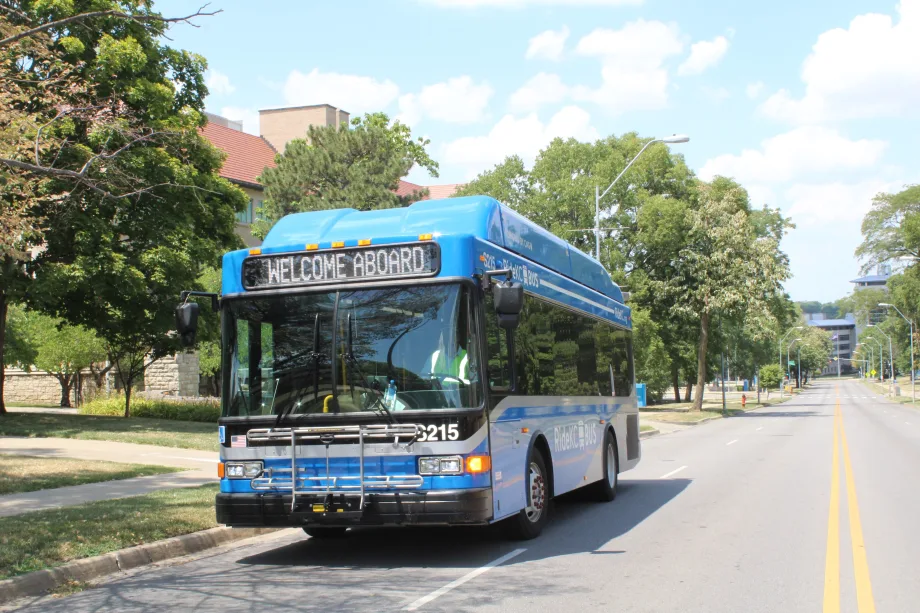
Transportation is access to opportunity. It connects people to jobs, healthcare, education, and housing.
Photo: KCATA
In cities across the U.S., when people see a bus go by, they can sometimes just blend into everyday life. What they miss seeing is that public transit is an incredibly powerful driver of economic prosperity and community transformation.
In Kansas City, our iconic blue and red buses serve over one million riders monthly, achieving pre-pandemic ridership levels while exceeding performance metrics. At KCATA, we see public transportation as more than just mobility — it’s a vehicle for change.
Since becoming CEO in 2022, I’ve focused on making public transit better for all, while positioning KCATA as a vital part of the infrastructure that makes communities desirable and livable.
Here are three ways public transportation can transform communities.
1. Empowering Individuals: Connecting to Opportunity
Transportation is access to opportunity. It connects people to jobs, healthcare, education, and housing.
For those without personal vehicles, public transit is a lifeline that levels the playing field. At KCATA, our two-state, seven-county service area allows us to transcend boundaries and deliver equitable access across the region.
Public transit also blurs socioeconomic barriers. Freedom of movement fosters equity by giving everyone access to essential services and opportunities.
As needs evolve and technology advances, we remain committed to providing reliable, innovative services that empower individuals to thrive.
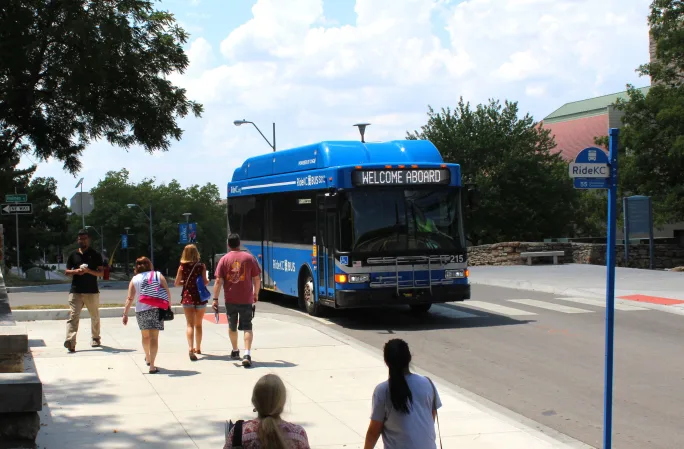
TOCD creates spaces where people can live, work, and play while addressing challenges like affordability, sustainability, and equity.
Photo: KCATA
2. Building Community: Transit-Oriented Community Development
Public transportation doesn’t just move people — it builds vibrant communities.
At KCATA, we are one of the first transit agencies to champion Transit-Oriented Community Development (TOCD).
While many have heard of TOD, we add a “C” because we want to reinforce that we are taking a people-first approach to urban planning. It’s not development for development sake — it’s all in service to community.
TOCD creates spaces where people can live, work, and play while addressing challenges like affordability, sustainability, and equity.
TOCD fosters density along transit corridors, bringing life to urban environments much like rivers sustain ecosystems. Shops, housing, jobs, and recreation flourish together in these hubs.
This approach also promotes walkability and active lifestyles by incorporating wide sidewalks and public spaces into planning — making neighborhoods safer, healthier, and more desirable.
At KCATA, TOCD isn’t just an idea; it’s a reality. Currently, through public and private partnerships, we have seven approved projects in various stages of development —including affordable housing for seniors and workforce housing near transit centers —demonstrating how thoughtful urban planning can create sustainable ecosystems where communities thrive.
3. Sustainable and Equitable: Boosting the Economy in the Right Ways
Public transportation is an economic engine that drives growth at every level. But to do it well we must be aware of the bigger picture and operate with a commitment to equity and sustainability.
To drive economic equity, public transportation connects workers to employers, customers to businesses, and students to schools.
At KCATA alone, we support over 1,000 regional jobs with livable wages while spurring development along transit corridors.
Our TOCD efforts further amplify this impact by increasing property values and attracting businesses seeking access to high-density labor markets.
Living close to transit reduces individual transportation costs, giving residents more disposable income to spend locally — keeping dollars circulating within their communities.
But driving economic equity is only truly beneficial if it recognizes that climate change often has a greater negative impact on the lower half of the income spectrum. Reducing the impact of carbon emissions by removing personal vehicles is a step in the right direction.
Additionally, TOCD minimizes environmental impact through high-density construction while reducing energy consumption and emissions. Nearly any effort that makes it easier to use public transit is worth time and investment.
In the end, public transportation and TOCD are ways that we, as a community, can do more together. This approach aligns with broader goals of addressing climate change while fostering economic growth.
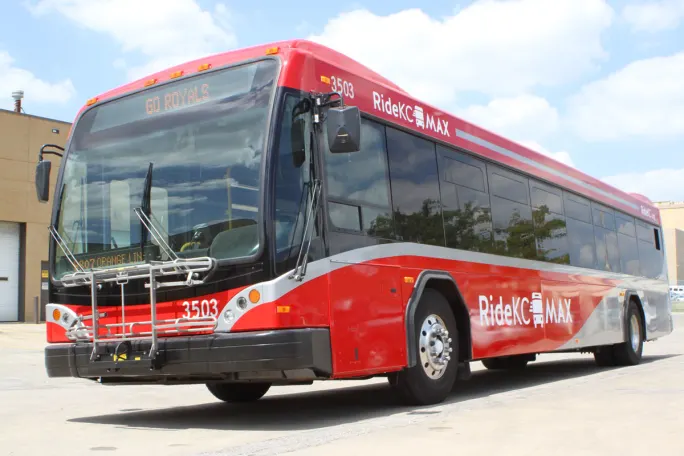
Public transportation is vital infrastructure that keeps communities connected and economies thriving — even for non-riders.
Photo: KCATA
A Vision for the Future
Public transportation is vital infrastructure that keeps communities connected and economies thriving — even for non-riders. Those who do not rely on public transportation rely on those who do.
Whether it’s a major metro like New York city where everyone uses public transportation, or it’s a region like Kansas City, where public transportation is focused on targeted corridors, when public transportation delivers economic opportunity for all when community can function at its highest purpose.
Transportation can be transformation.
As we say at KCATA: you don’t have to be a rider to be on board.
The next time you see a public bus, whether it’s in your own city or when you visit KC, remember: it’s not just a bus — it’s a vehicle for change.
More Blog Posts
Building a Winning FTA Grant Proposal: Why Propane Autogas is the Pragmatic Choice for Fleet Resilience
With $610 million available through the FY 2026 Buses and Bus Facilities Competitive Program and the Low or No Emission Grant Program, agencies must build a compelling case before the September 21 deadline that balances environmental compliance with operational feasibility.
Read More →
Velo-city Conference 2026: Latest Trends in Cycling as Part of Urban Mobility
The global cycling conference highlighted how cities are integrating bicycles into multimodal transportation networks, expanding cycle tourism and reshaping urban mobility.
Read More →
Kindness Isn’t Soft...It’s Strategic.
Mike Bismeyer — often known as “The Kindness Guy” — has spent more than 17 years in public transit and mobility, serving in industry leadership roles, speaking across North America, and advocating for stronger workplace cultures. But his message doesn’t come from theory. It comes from lived experience.
Read More →
Inside ITF 2026: Transport Reacts to A Challenging World
Transport leaders from around the world gathered in Leipzig, Germany, for the 2026 International Transport Forum to discuss resilience, climate impacts, supply chains and the future of sustainable mobility.
Read More →
Every Ride Tells a Story — But You’re Not Just Selling the Ride
You’re selling the moment, the meaning, and the emotion behind it.
Read More →
How Digital Signage is Reshaping the Traveler Experience at Transportation Hubs
What was once a landscape of static signs has evolved into a responsive, immersive environment powered by real-time visual communication.
Read More →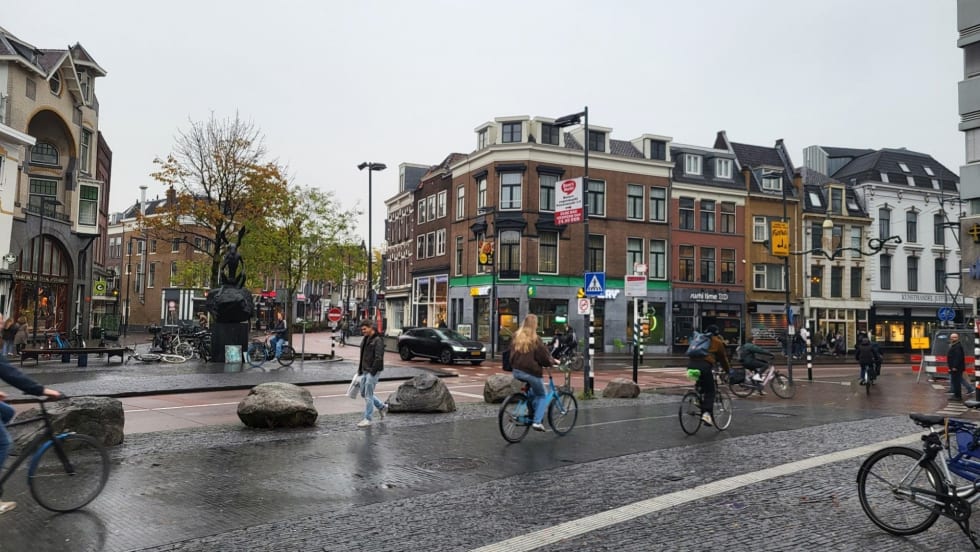
Latest Trends in Urban Mobility from Polis Conference 2025
Polis comprises cities and regions, as well as corporate partners, from across Europe, promoting the development and implementation of sustainable mobility. This year’s event had over a thousand attendees across various policy forums and an exhibition.
Read More →
Why Transit Leaders Require Better Tools for Operational Clarity In Today’s Tech-Fragmented Environment
Across North America and beyond, transit agency officials are contending with a perfect storm of operational headaches and strategic challenges that hamper daily service and long-term progress.
Read More →
The Powerless Brokers: Why California Can’t Build Transit
It is no secret that transit in the U.S. is slow and expensive to build.
Read More →
Why Transport Sustainability Should Focus on People Instead of Cars
Simply incentivizing electrification is not enough to make a meaningful impact; we must shift our focus toward prioritizing public transportation and infrastructure.
Read More →