



HNTB names Slaughter Sr. VP
Transit/rail market sector leader recognized for delivering solutions to clients, serving in industry leadership roles, and advancing transit thought leadership.


Kimberly Slaughter, transit/rail market sector leader for HNTB Corp., was appointed sr. VP of the firm. Photo: HNTB

Kimberly Slaughter, transit/rail market sector leader for HNTB Corp., was appointed sr. VP of the firm. Photo: HNTB
Kimberly Slaughter, transit/rail market sector leader for HNTB Corp., was appointed sr. VP of the firm. Slaughter has more than 30 years of comprehensive experience in transportation and public transit. She is based in Chicago and works with transit and rail clients throughout the U.S.
Slaughter is responsible for collaborating with HNTB regional, division, and office leadership on strategic planning and implementation, industry representation, business development, service delivery, and client satisfaction.
RELATED: HNTB hires new transit/rail market sector leader
Throughout her career, Slaughter has been appointed to several professional association boards and committee leadership positions. She currently serves as the American Public Transportation Association’s chair of the Planning, Policy, and Program Development Committee and is on APTA’s board of directors. She also is a graduate of the prestigious Leadership APTA program.
Slaughter is the first VP of the Conference of Minority Transportation Officials Chicago Chapter and serves on the national organizing committee for the annual Women Who Move the Nation breakfast. She is a member of WTS International and was named 2012 Woman of the Year by its Houston chapter.
More Management

Best and Worst U.S. Cities for Public Transportation in 2026
A new analysis of 50 major U.S. urban areas ranks public transit systems based on accessibility, affordability, usefulness, and safety, highlighting where transit performs best and where challenges remain.
Read More →
Laketran Cuts Fuel Costs, Boosts Efficiency with Propane-Powered Fleet
The Ohio transit agency is using propane-powered vehicles and on-site fueling infrastructure to cut fuel and maintenance costs while meeting growing demand for paratransit services.
Read More →
Canada’s Public Transit Supports $65.6 Billion in Annual GDP
New research from the Canadian Chamber of Commerce examines transit's economic contributions, including job creation and the financial implications of transportation investment.
Read More →
Pierce Transit Moves to Expand Fleet Following Proposition 1 Approval
The agency authorized the purchase or refurbishment of up to 60 buses to support a 47% service expansion, as voters nationwide approved billions in new transit funding.
Read More →
Right-Sizing Rural Transit: Lessons from North Grenville’s On-Demand Model
A small municipality shows how flexible service, rider needs, and public accountability can expand mobility with limited resources.
Read More →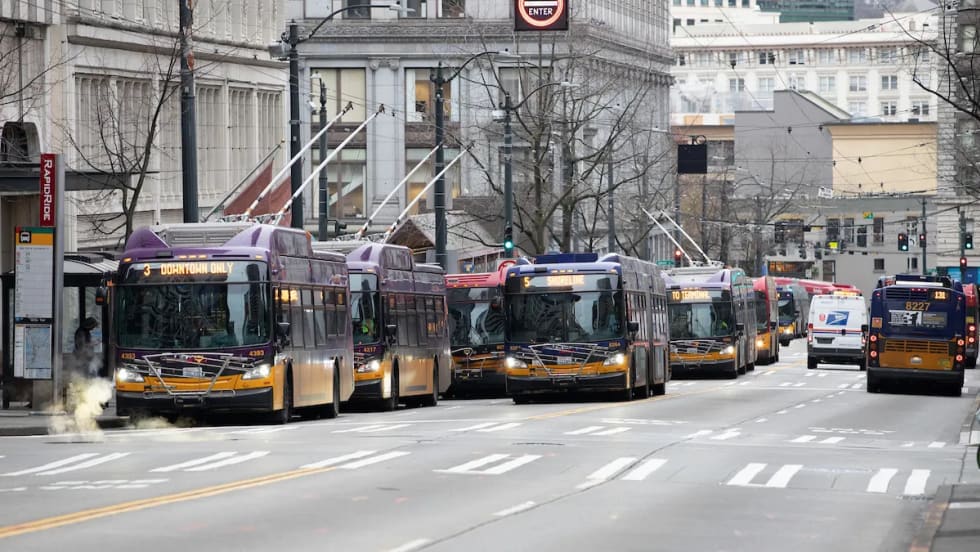
Transit Ballot Victories Signal Strong Voter Support: What Comes Next?
Voters approved billions in public transportation investments in 2026, giving agencies opportunities to preserve service, expand operations, and strengthen regional connections amid a changing political landscape.
Read More →
Transit Expands Agency Partnerships, Reaching 200 Official App Partners
COO Jake Sion discusses Transit’s growth, the success of its Transit Royale program, and how technology is helping agencies improve the rider experience.
Read More →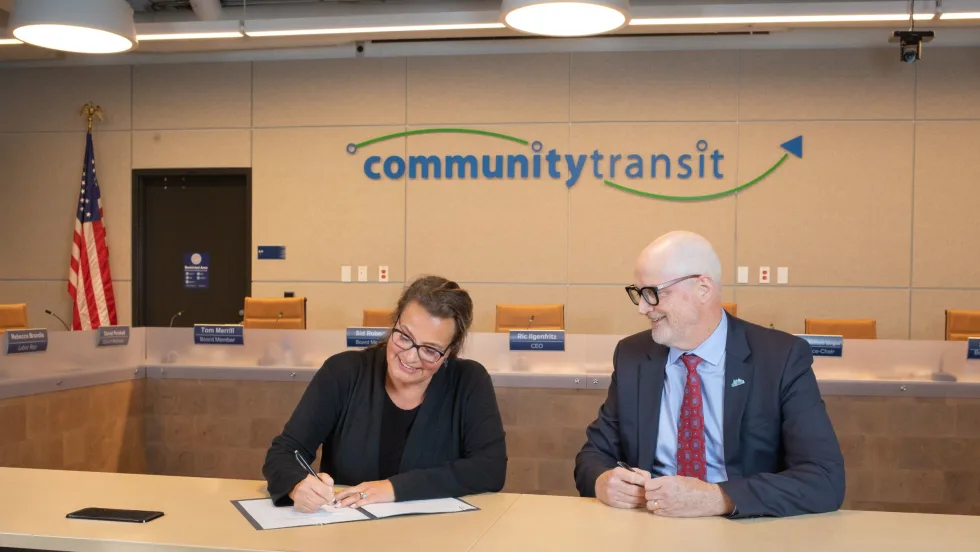
Everett Transit, Community Transit Approve Consolidation of Services
The agreement will bring Everett Transit into Community Transit’s network in April 2027, with plans to increase bus service by 50% by 2031 and expand regional connections.
Read More →
NITA Proposes $5B Operating Budget, $9.7B Capital Program for 2027
The proposed budget includes funding for expanded transit service, safety initiatives, fleet upgrades, and infrastructure improvements across CTA, Metra, and Pace.
Read More →
Financing, Fleet Replacement Requires a More Strategic Approach
Executives from ABC Companies and MCI discuss how rising costs, changing market conditions, and post-pandemic challenges are prompting motorcoach operators to rethink financing strategies, fleet replacement cycles, and long-term planning.
Read More →