




Biz Briefs: L.A. Metro Selects Papercast, TRC Delivers On-Demand Shuttle Service, and More
L.A. Metro 2024 Budget Prioritizes Customer Experience
The agency’s new budget will fund an equitable service plan that improves transit service frequency for Metro riders.
May 26, 2023
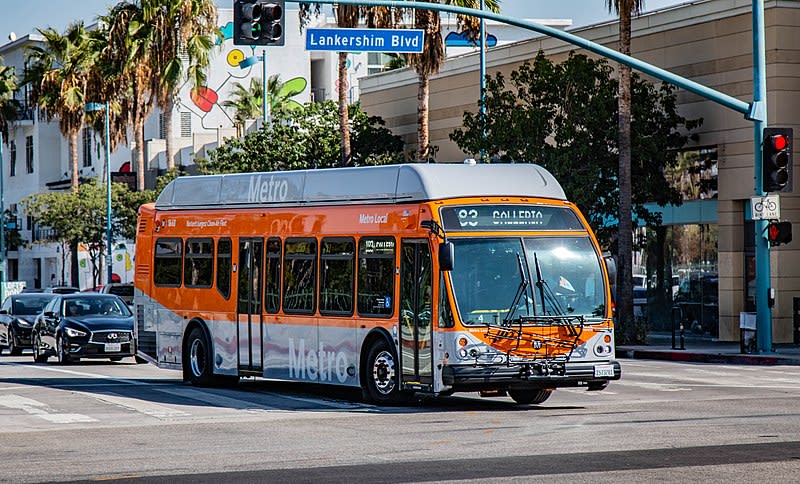
The balanced budget, approved by the Metro Board of Directors, represents a 2.6% increase over last year’s $8.7 billion budget.
Photo: Han Zheng/Wikimedia Commons (CC BY-SA 2.0)
5 min to read
The Los Angeles County Metropolitan Transportation Authority (Metro) announced its newly approved $9 billion budget for the 2024 Fiscal Year includes capital investments intended to put its customers first, according to the agency's news release.
The agency’s new budget will fund an equitable service plan that improves transit service frequency for Metro riders, enhances cleanliness and safety on the transit system, and funds the continued integration of Metro’s portfolio of countywide transportation projects.
Budget Improvement Over 2022
The balanced budget, approved by the Metro Board of Directors, represents a 2.6% increase over last year’s $8.7 billion budget and covers the fiscal year that begins July 1, 2023, through June 30, 2024.
"Our agency’s new budget includes new and innovative initiatives that build on our efforts to ensure we operate a world-class transportation system for our customers," said Metro Board chair Ara J. Najarian. "Throughout the year-long budget process, Metro focused on prudent fiscal planning and kept its sights trained on maintaining financial stability over the long term. The budget we have today will help ensure we invest in the types of improvements that our customers want and need most."
Metro has invested $2.9 billion of its budget (a 5% increase over FY’23) specifically in transit operations, which will allow Metro to operate 8.9 million revenue service hours of transit services in FY’24 compared to the current 7.5 million revenue service hours it operates today.
This increased level of service is nearly 10% higher than it was before the COVID-19 pandemic precipitated ridership declines in Los Angeles County and across the country.
"We’ve heard from riders that they want a safer, reliable, and clean transit service, and this new budget reflects those priorities," said L.A. County supervisor Kathryn Barger. "Our Metro budget funds key initiatives such as more transportation security officers and cleaning programs, new rail service such as the Regional Connector, and delivers fast and reliable service through the NextGen Bus Plan. I support continuing to put our customers front and center so that we meet their expectations."
Metro's FY’24 budget includes total bus investments of nearly $1.9 billion, a 6.6% increase over the previous year’s budget.
Investing in Cleaning
To deliver a cleaner transit system, Metro is investing more than $200 million of its new budget specifically in cleaning efforts, a 13% increase from FY’23.
Metro will create 10 roving cleaning teams on the system and plans to hire 24 full-time and 50 part-time custodians to specifically clean the Metro B and D Lines (Red/Purple).
The agency is also increasing the frequency of cleaning, expanding "in-line" and mid-day bus interior cleaning, end-of-line cleanings on rail lines and station hotspots, and expanding cleaning activities at Metro’s most traveled stations and terminals.
Metro Aims to Improve Safety
Metro’s budget also includes $290.5 million to improve safety for customers, which constitutes a 3.7% increase over last year’s budget.
Metro has reassessed and reimagined its approach to public safety and is implementing change through its multi-layered public safety approach that includes a combination of Metro Ambassadors, Transit Security Officers, contract security, law enforcement, and homeless and mental health outreach teams on its system.
Metro is also investing in enhanced security cameras, fare gates, lighting, and other security infrastructure to make its system as safe as possible for customers.
The agency has also implemented a Drug-Free Metro campaign that enforces Metro’s prohibition against illegal drug use on buses and trains.
Transit security officers have issued hundreds of citations and warnings for Code of Conduct violations and law enforcement has made hundreds of drug-related and trespassing arrests as part of this campaign.
Increased Funding for Social Services
The agency will also boost funding for additional social services to help address the county’s homelessness, drug addiction, and mental health crises that are impacting the county, as well as the Metro system.
In the next fiscal year, Metro will partner with People Assisting the Homeless (PATH) and the Los Angeles County Department of Health Services (DHS) to invest nearly $14 million in outreach to unhoused individuals.
Metro will allocate $10 million to a new Department of Mental Health (DMH) partnership to provide training on identifying mental health concerns and proper responses and strategies to address critical crisis response needs and Community Mental Health Ambassadors.
Additionally, Metro will invest in short-term shelters, workforce partnerships, and other strategies to help address these issues on its transit system.
Planning Projects in the Budget
Metro will invest $2.2 billion in its Transit Infrastructure Development Program for numerous projects now in the planning and construction.
For example, Metro anticipates full-scale construction will begin on the G (Orange) Line Improvements project in the next fiscal year, with additional projects like the Airport Metro Connector and the Purple Line Extension Project moving closer to completion.
Metro will continue its focus on ensuring equity for customers.
The new budget was developed using key equity assessment budget tools. Nearly 74% of Metro’s budget provides targeted and indirect benefits to Equity Focus Communities, a 6.6% increase over the previous year’s budget.
This includes continued support for its Low-Income Fare is Easy (LIFE) and GoPass Pilot Programs as well as the rollout of its Mobility Wallet and Fare Capping programs.
The budget also includes $2.1 billion in Regional Allocations and Pass-Through funding distributed to regional transit partners and municipalities to carry out local transportation needs.
This component is directly tied to locally imposed and collected sales taxes.
Metro also serves as the Regional Transportation Planning Agency for Los Angeles County to provide oversight and distribute state and federal pass-through grants.
"The investments we are making focus on best serving our customers and putting their needs first," said Metro CEO Stephanie N. Wiggins. "This budget helps us maintain the momentum from the past year and deliver a world-class transit system for the people of Los Angeles County that will help make it their first choice for transportation."
More Management

METRO Opens Submissions for 2026 Motorcoach Awards
Nominations are now being accepted for METRO Magazine’s Operator of the Year and Innovative Operator of the Year awards.
Read More →
New York MTA Advances Final Contract for Second Avenue Subway Expansion
Contract Four is the largest in the Second Avenue Subway Phase 2 project and includes construction of station infrastructure, tracks, and signals for the subway expansion, MTA officials said. Work on Contract Four will begin in 2027.
Read More →
Transit Agencies Highlight Safety Gains at National Summit
Leaders from 15 major transit systems shared crime-reduction results and safety initiatives while discussing the role of continued federal support.
Read More →

NITA Names New Leadership, Expands Reduced-Fare Program at First Board Meeting
The new regional transit authority appointed its first board chair and interim executive director while extending reduced fares across CTA, Metra, and Pace for eligible riders.
Read More →
Beyond the Checklist: A Structured Approach to Transit Maintenance
Reliability-Centered Maintenance helps transit agencies move beyond routine checklists to focus limited resources on the assets and failures that have the greatest impact on safety, reliability, and service.
Read More →
APTA 2026 Nominating Committee Selects Leadership Slate, Names Chair and Vice Chair Nominees
Leadership changes will help shape the association’s priorities and its representation of the transportation industry during the 2026–2027 term.
Read More →
DART Launches Major Security, Fare Enforcement Initiative
The 90-day demonstration will deploy coordinated security teams at five light rail stations while testing controlled access and gathering data to guide future investments.
Read More →
Sponsored•September 9, 2026
Advancing Fare Collection Through Technology and Innovation
Learn about delivering 1300 gates at 91 stations while managing fare evasion. Explore the large scale deployment, solution customization and real-world results that affect the region. Prepare for deployment in your region now.
Read More →
Game Day in Motion: Moving Millions During the 2026 World Cup
Between packed transit stations and team motorcoaches, see how agencies and operators across North America tackled the transportation demands of the 2026 FIFA World Cup.
Read More →
Surface Transportation Extension Averts Shutdown, Leaves Transit Funding Gap
The stopgap keeps federal transportation programs moving, but missing advance funding could complicate the transit and rail projects agencies are planning next.
Read More →