



Latest RTD Financial Projections Better than Predicted, Volatility Likely
The June forecast, which Leeds staff discussed at a study session with the board, predicts that RTD’s finances could recover to pre-COVID-19 levels two years sooner than previously predicted — by 2023.

The updated forecast shows RTD’s Mid-Term Financial Plan spanning 2021-2026 to be down 9%, compared with the previous projection showing a drop of 24% for that period.
Denver RTD
While the pandemic has introduced a level of economic volatility expected to continue for some time, the Regional Transportation District (RTD)’s financial projections now appear to be more positive than previously thought, according to a forecast shared with the agency’s board by the University of Colorado Boulder’s Leeds School of Business.
The June forecast, which Leeds staff discussed at a study session with the board, predicts that RTD’s finances could recover to pre-COVID-19 levels two years sooner than previously predicted — by 2023. Revenue for 2020 could be $38.2 million more than previously projected, and revenue for 2021 could be $104.7 million more than previously projected. Both figures assume that RTD staff will continue to plan for a worst-case financial scenario as requested by the board.
The updated forecast shows RTD’s Mid-Term Financial Plan spanning 2021-2026 to be down 9%, compared with the previous projection showing a drop of 24% for that period.
“The variation in the numbers demonstrates how volatile the economic situation is due to the COVID-19 outbreak,” said Heather McKillop, RTD’s CFO/assistant GM, finance, and administration. “As we get actual sales and use tax figures, we will update the board and make changes accordingly.”
The agency will continue on a path of reducing costs and streamlining because it still has a large financial gap to address. Cuts made to the 2020 budget under the worst-case scenario will result in a surplus by the end of the year, which will be carried forward to the 2021 budget to help offset projected losses of sales and use tax revenue, decreased fare collection and the unlikely allocation of additional CARES Act funding.
The difference in forecasts resulted from March revenues being better than anticipated and a case of delayed payments captured in April versus March. These facts, as well as a shorter data collection period, affected the modeling Leeds used. Prior to the pandemic, RTD received forecasts from Leeds in May and September. The school is now updating the agency monthly, to guard against large financial swings amid continued uncertainty.
RTD expects to have a better picture of sales tax revenues when it receives May numbers next week. Leeds staff has said that the next two months of receipts will be the most important and revealing from a modeling standpoint.
At a national level, Leeds staff noted, personal income has swung from a flat-to-negative number to a projection for growth. Jobs began returning faster than initially projected, and consumer spending is moving toward pre-pandemic levels. Colorado-specific data are expected in the coming months.
The Leeds School has been working with RTD since 2011, after the agency enacted a fiscal policy to consult with an outside party for financial forecasting.
More Management

Best and Worst U.S. Cities for Public Transportation in 2026
A new analysis of 50 major U.S. urban areas ranks public transit systems based on accessibility, affordability, usefulness, and safety, highlighting where transit performs best and where challenges remain.
Read More →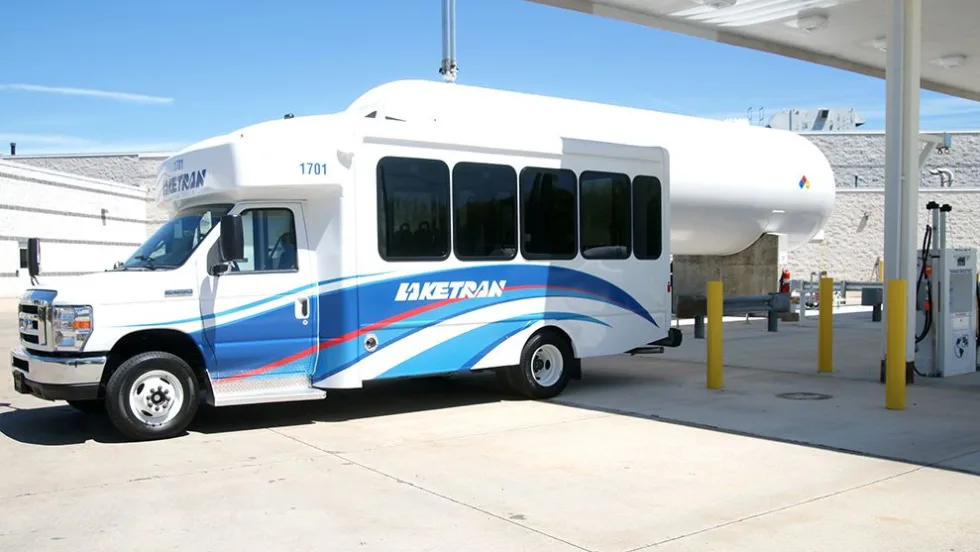
Laketran Cuts Fuel Costs, Boosts Efficiency with Propane-Powered Fleet
The Ohio transit agency is using propane-powered vehicles and on-site fueling infrastructure to cut fuel and maintenance costs while meeting growing demand for paratransit services.
Read More →
Canada’s Public Transit Supports $65.6 Billion in Annual GDP
New research from the Canadian Chamber of Commerce examines transit's economic contributions, including job creation and the financial implications of transportation investment.
Read More →
Pierce Transit Moves to Expand Fleet Following Proposition 1 Approval
The agency authorized the purchase or refurbishment of up to 60 buses to support a 47% service expansion, as voters nationwide approved billions in new transit funding.
Read More →
Right-Sizing Rural Transit: Lessons from North Grenville’s On-Demand Model
A small municipality shows how flexible service, rider needs, and public accountability can expand mobility with limited resources.
Read More →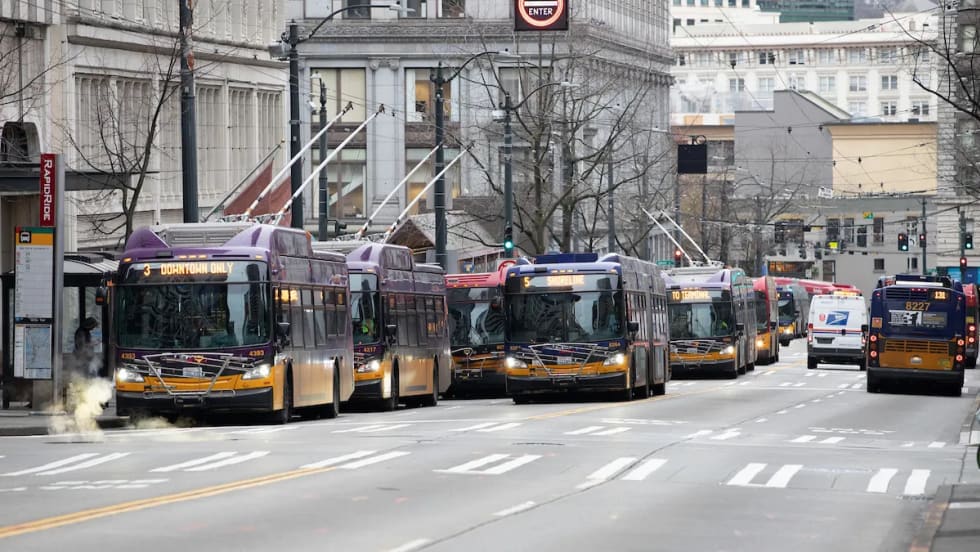
Transit Ballot Victories Signal Strong Voter Support: What Comes Next?
Voters approved billions in public transportation investments in 2026, giving agencies opportunities to preserve service, expand operations, and strengthen regional connections amid a changing political landscape.
Read More →
Transit Expands Agency Partnerships, Reaching 200 Official App Partners
COO Jake Sion discusses Transit’s growth, the success of its Transit Royale program, and how technology is helping agencies improve the rider experience.
Read More →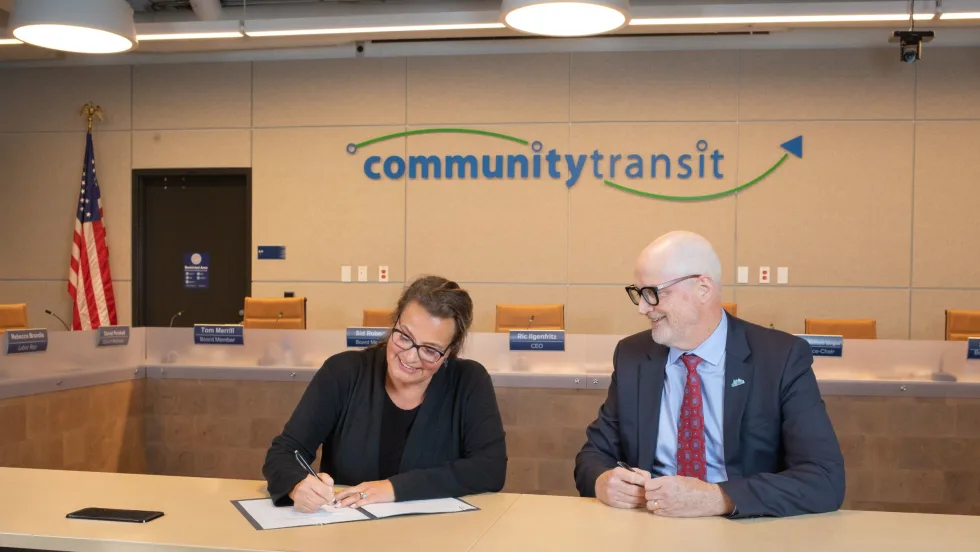
Everett Transit, Community Transit Approve Consolidation of Services
The agreement will bring Everett Transit into Community Transit’s network in April 2027, with plans to increase bus service by 50% by 2031 and expand regional connections.
Read More →
NITA Proposes $5B Operating Budget, $9.7B Capital Program for 2027
The proposed budget includes funding for expanded transit service, safety initiatives, fleet upgrades, and infrastructure improvements across CTA, Metra, and Pace.
Read More →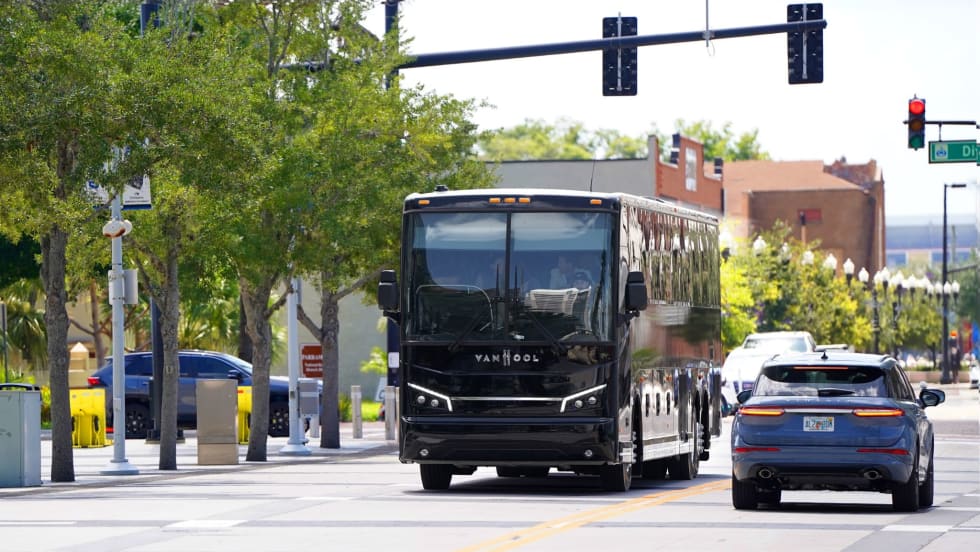
Financing, Fleet Replacement Requires a More Strategic Approach
Executives from ABC Companies and MCI discuss how rising costs, changing market conditions, and post-pandemic challenges are prompting motorcoach operators to rethink financing strategies, fleet replacement cycles, and long-term planning.
Read More →