



Masabi to launch mobile ticketing with New York’s MTA
Riders will be able to use their phones as tickets on both Metro-North Railroad and Long Island Rail Road.

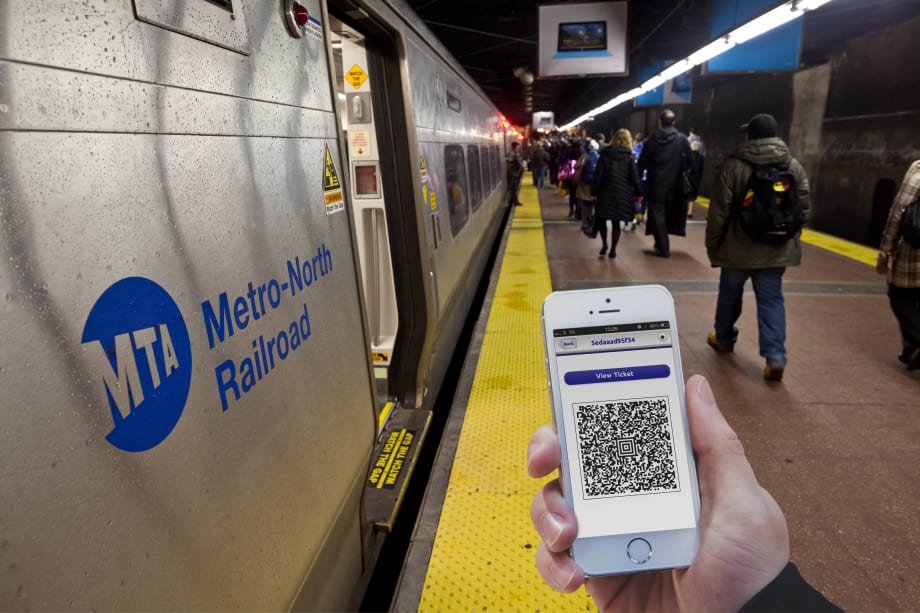
Courtesy Masabi

RELATED:As Mobile Ticketing Makes Strides, E-fare Tech Ramps Up
Masabi’s mobile ticketing technology will allow riders to buy train tickets using their smartphones, anytime and anywhere, eliminating the need to ever carry a paper ticket again.
Customers will be able to quickly and securely buy and use electronic tickets for both railroads using a mobile ticketing application or website. This technology means that customers no longer have to wait in line at ticket machines, or fumble for cash to pay on board, revolutionizing the process of buying tickets on the two largest commuter railroads in the U.S.
WATCH:MBTA's mTicket app demonstration
The MTA will be using Masabi’s JustRide platform, a deployment-proven, end-to-end mobile ticketing and fare collection system. The award-winning product includes features such as ticket purchase, user display and easy validation together with sophisticated back-end infrastructure for secure payments, ticket management, customer service, reporting and real-time analytics.
“This is a step forward as we look to use the latest technologies available to make fare payment at all our agencies easier, faster, and more convenient,” said Thomas F. Prendergast, Chairman and CEO of the MTA.
"Mobile ticketing is all about making life easier for transit riders," said Ben Whitaker, CEO of Masabi. "By transforming smartphones into vending machines, we are making waiting in line a thing of the past. We are excited to be working with Metro-North and Long Island Rail Road to bring our award-winning technology to New York's commuters."
Through the app, all ticket types will be available for purchase including one-way, round-trip, ten-trip, weekly passes, and monthly passes: from any origin or destination with payment being made via either debit or credit card. Tickets are sent to users’ phones in the form of an electronic ticket that can be validated visually by conductors, or as an encrypted barcode that can be scanned by a conductor’s handheld device to verify that the barcode is valid.
“As a lifelong Metro-North rider, it is exciting to be bringing our technology to New York’s commuter railroads,” said Josh Robin VP of North America, Masabi. “With our technology, the MTA will be able to deliver industry-leading innovation to its riders at a fraction of the cost of traditional fare payment technology.”
More Management
People Movement: MARTA Drops Interim Tag on GM/CEO Hunt and More
In this edition, METRO covers recent appointments and announcements at the FMCSA, HDR, SilverRide, and more, showcasing the individuals helping to shape the future of transportation.
Read More →
VIA Metropolitan Transit Reports 2 Million More Passenger Trips as Better Bus Plan Gains Momentum
San Antonio's transit agency said accelerated service improvements are driving ridership growth, offering another example of how increased frequency and workforce investments can translate into stronger transit performance.
Read More →
ABAF Study Reveals Growing Insurance Crisis for Motorcoach Operators
Preliminary findings show 98% of operators faced premium increases over the past five years, while shrinking insurer participation is putting added pressure on businesses and customers.
Read More →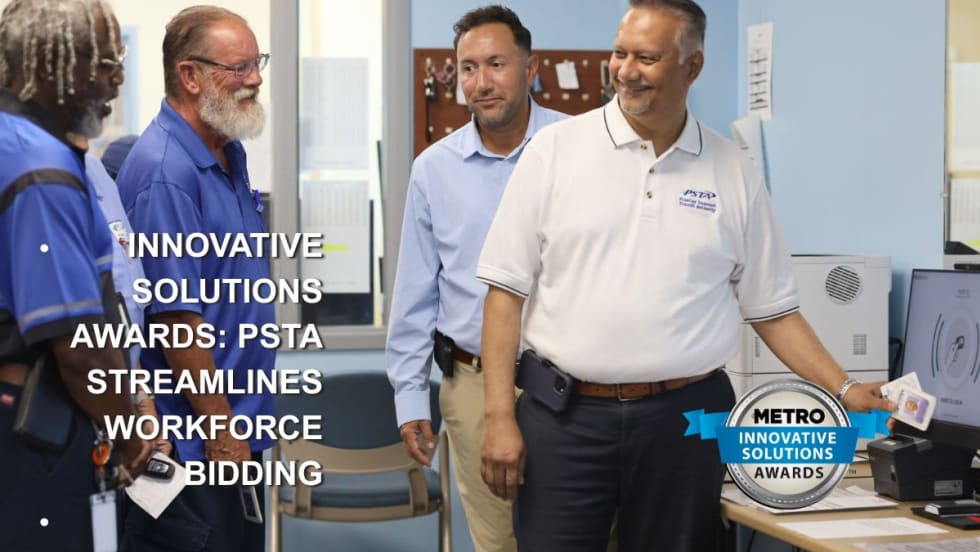
PSTA Modernizes Workforce Management with Digital Bidding System
The award-winning Workforce Transit Modernization project replaced paper bidding with a transparent digital platform, cutting administrative effort while improving access for operators.
Read More →
Chicago to Host Public Transportation's Biggest Gathering at APTA TRANSform & EXPO 2026
North America’s largest public transportation gathering returns to Chicago, connecting transit decision-makers with the technologies, ideas, and partnerships driving the industry forward.
Read More →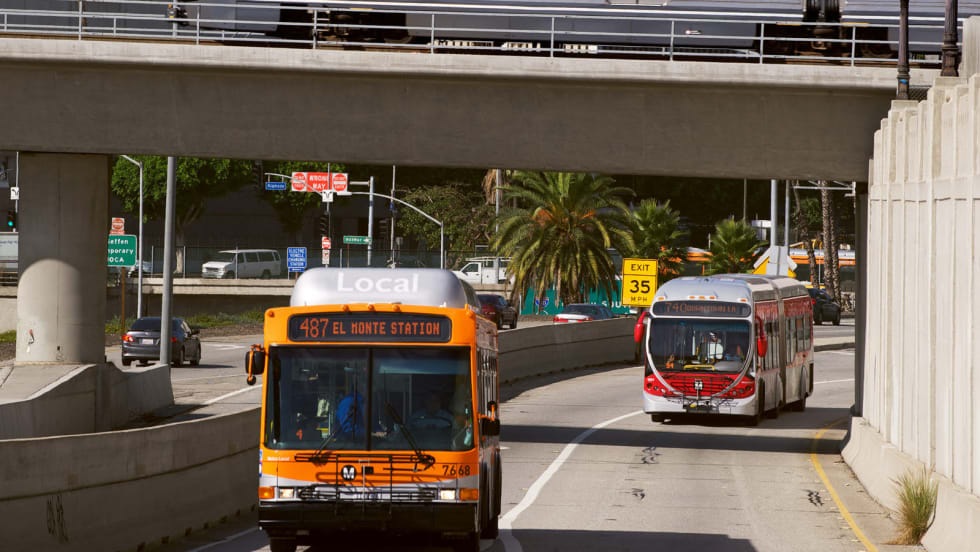
New Tricks for Old Bureaucracies: Joshua Schank on Making Transit Innovation Stick
Former LA Metro Chief Innovation Officer Joshua Schank discusses why good ideas aren't enough, how transit agencies can overcome resistance to change, and why today's challenges demand more innovation.
Read More →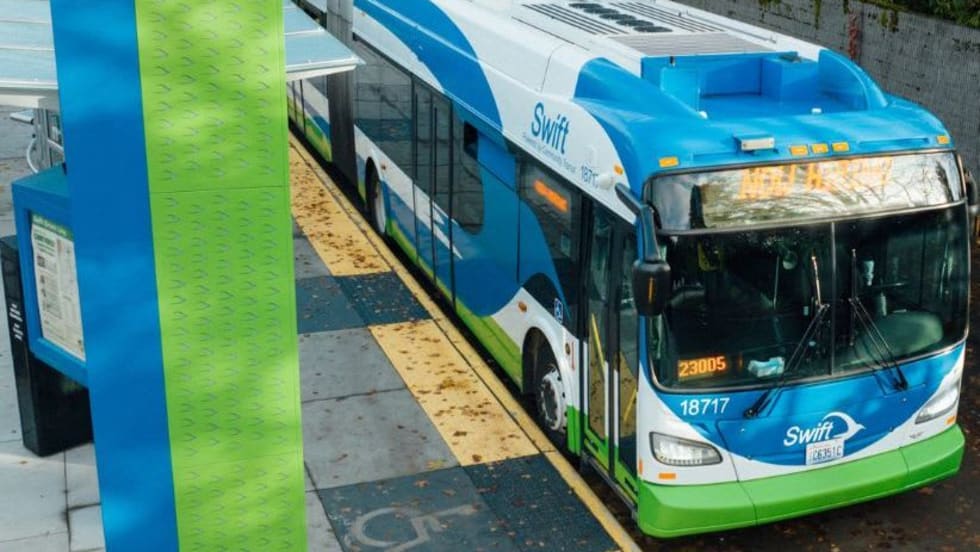
Washington's Community Transit Sets Six-Year Roadmap for Growth, Expansion
Approved TDP targets more bus service, new mobility options, Swift BRT expansion, and a potential Everett Transit annexation.
Read More →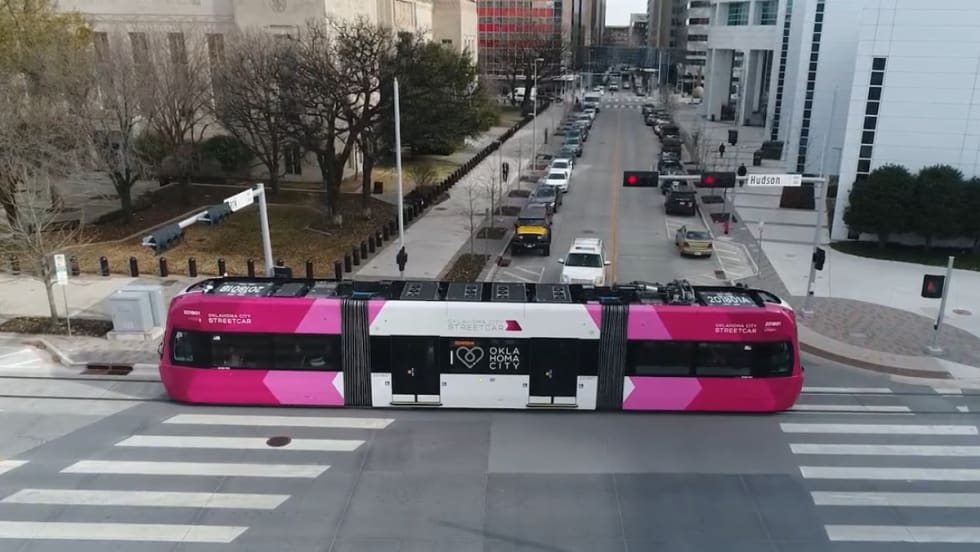
OKC Streetcar Makes Zero-Fare Service Permanent
Ridership increased an average of 71% compared with the same period a year earlier during the fare-free pilot.
Read More →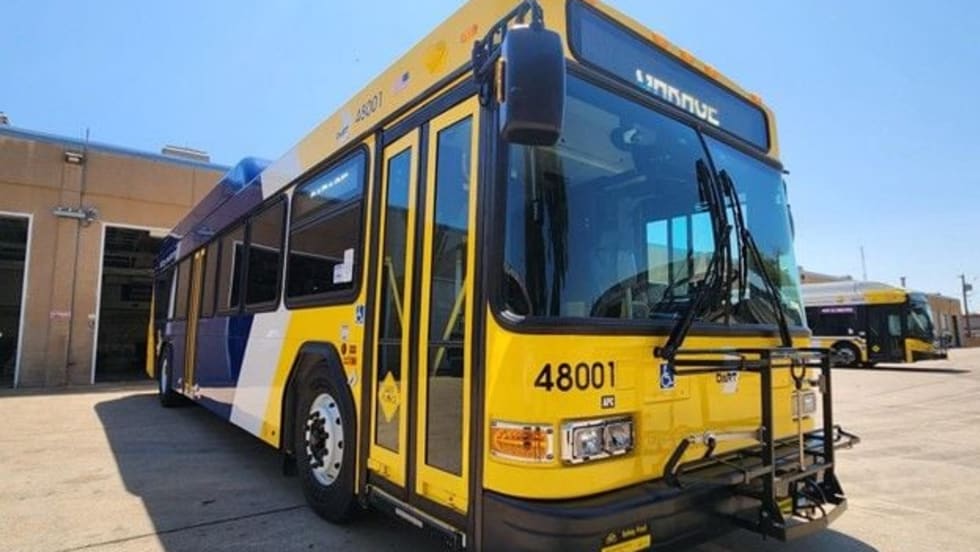
DART Customer Satisfaction Reaches Six-Year High
Overall satisfaction rose to 74.9%, while the agency’s Net Promoter Score reached a record 33.7.
Read More →
House Surface Transportation Bill Advances as Transit Funding Debate Intensifies
A bipartisan transportation package moving through Congress could redefine how the U.S. funds highways, transit, and motorcoach travel, while igniting new fights over electrification, regulation, and federal priorities.
Read More →