




Read More: MBTA Announces Track Improvement Program
MBTA Aims to Boost Machinists Union Lodge 264 Retention
The Machinists Union Lodge 264 aims to improve retention and support MBTA machinists through expanded benefits and increased wages.
December 13, 2023
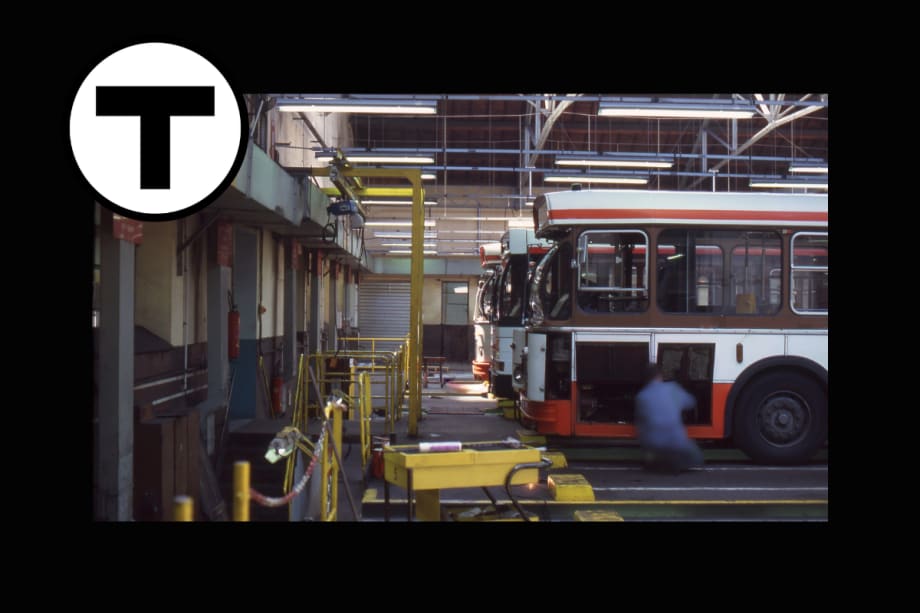
The contract is part of increased efforts by the Healey-Driscoll Administration to ensure the authority retains experienced and trained staff with the goal of shoring up MBTA workforce numbers.
Photo: METRO
3 min to read
The Massachusetts Bay Transportation Authority (MBTA) announced that its Board of Directors approved a new four-year contract between the MBTA and the Machinists Union Lodge 264.
The Machinists Union Lodge 264 aims to improve retention and support MBTA machinists through expanded benefits and increased wages.
The contract is part of increased efforts by the Healey-Driscoll Administration to ensure the authority retains experienced and trained staff with the goal of shoring up MBTA workforce numbers.
“A new four-year contract with our valued members of Lodge 264 will help give the MBTA stability with its operations,” said Transportation Secretary/CEO Monica Tibbits-Nutt. “I’d like to thank the membership for supporting this agreement and for their dedication in helping us to run safe and reliable service.”
MBTA, Machinists Union Lodge 264 Contract Details
The four-year contract, beginning July 1, 2023, and lasting through June 30, 2027, includes:
Substantial Wage Increases: Employees will receive an overall wage adjustment of approximately 18% over four years, averaging approximately 4.5% per year.
Retirement Eligible Retention Bonuses: To address current staffing shortages and retain frontline employees, the MBTA will provide a bonus to retirement-eligible employees to remain with the authority for at least another year.
Longevity Compensation Program: To recognize the contributions of the MBTA’s experienced mechanics and machinists and encourage them to remain with the authority, the MBTA will provide enhanced compensation to eligible employees upon reaching 10, 15, 20, and 25 years of service.
Expanded Bereavement Leave: The MBTA will expand the definition of bereavement leave to include domestic partners, which will allow employees to take the time they need to grieve without worrying about job security.
Increased Tool and Meal Allowances: The MBTA will increase tool and meal allowances to help offset the costs associated with these expenses.
State Vehicle Inspection Licensing Differential: Additional skills and training are required for employees to become licensed to perform state vehicle inspections, which are necessary to keep the MBTA’s buses on the road. To compensate for this additional responsibility, the MBTA will add a $2/hour differential for eligible employees.
Enhanced Holiday Pay: The MBTA will increase Thanksgiving and Christmas holiday pay for all eligible employees.
Apprenticeship Program for Machinists: The MBTA plans to establish an apprenticeship program for machinists, which will provide aspiring machinists with the training and experience they need to succeed in this field.
“This new contract agreement is an incredible step toward helping the MBTA in its efforts to improve the system by both strengthening efforts to hire more workers and supporting the current hardworking MBTA machinists and mechanics that help power the T,” said Machinists Union Lodge 264 member Mike Vartabedian. “On behalf of Machinists Lodge 264, I want to offer my thanks to Governor Healey, Secretary Tibbits-Nutt, and General Manager Eng for investing in the dedicated transportation workforce and the shared goal of providing safe, reliable transit service that best meets the needs of the riding public.”
More Management

METRO Opens Submissions for 2026 Motorcoach Awards
Nominations are now being accepted for METRO Magazine’s Operator of the Year and Innovative Operator of the Year awards.
Read More →
New York MTA Advances Final Contract for Second Avenue Subway Expansion
Contract Four is the largest in the Second Avenue Subway Phase 2 project and includes construction of station infrastructure, tracks, and signals for the subway expansion, MTA officials said. Work on Contract Four will begin in 2027.
Read More →
Transit Agencies Highlight Safety Gains at National Summit
Leaders from 15 major transit systems shared crime-reduction results and safety initiatives while discussing the role of continued federal support.
Read More →

NITA Names New Leadership, Expands Reduced-Fare Program at First Board Meeting
The new regional transit authority appointed its first board chair and interim executive director while extending reduced fares across CTA, Metra, and Pace for eligible riders.
Read More →
Beyond the Checklist: A Structured Approach to Transit Maintenance
Reliability-Centered Maintenance helps transit agencies move beyond routine checklists to focus limited resources on the assets and failures that have the greatest impact on safety, reliability, and service.
Read More →
APTA 2026 Nominating Committee Selects Leadership Slate, Names Chair and Vice Chair Nominees
Leadership changes will help shape the association’s priorities and its representation of the transportation industry during the 2026–2027 term.
Read More →
DART Launches Major Security, Fare Enforcement Initiative
The 90-day demonstration will deploy coordinated security teams at five light rail stations while testing controlled access and gathering data to guide future investments.
Read More →
Sponsored•September 9, 2026
Advancing Fare Collection Through Technology and Innovation
Learn about delivering 1300 gates at 91 stations while managing fare evasion. Explore the large scale deployment, solution customization and real-world results that affect the region. Prepare for deployment in your region now.
Read More →
Game Day in Motion: Moving Millions During the 2026 World Cup
Between packed transit stations and team motorcoaches, see how agencies and operators across North America tackled the transportation demands of the 2026 FIFA World Cup.
Read More →
Surface Transportation Extension Averts Shutdown, Leaves Transit Funding Gap
The stopgap keeps federal transportation programs moving, but missing advance funding could complicate the transit and rail projects agencies are planning next.
Read More →