



MCI to deliver 5 Commuter Coaches to Va.'s PRTC
Will replace retirement-age equipment on its OmniRide routes, which play a critical role in transporting public- and private-sector employees to Washington, D.C., the Pentagon, and the surrounding employment core.

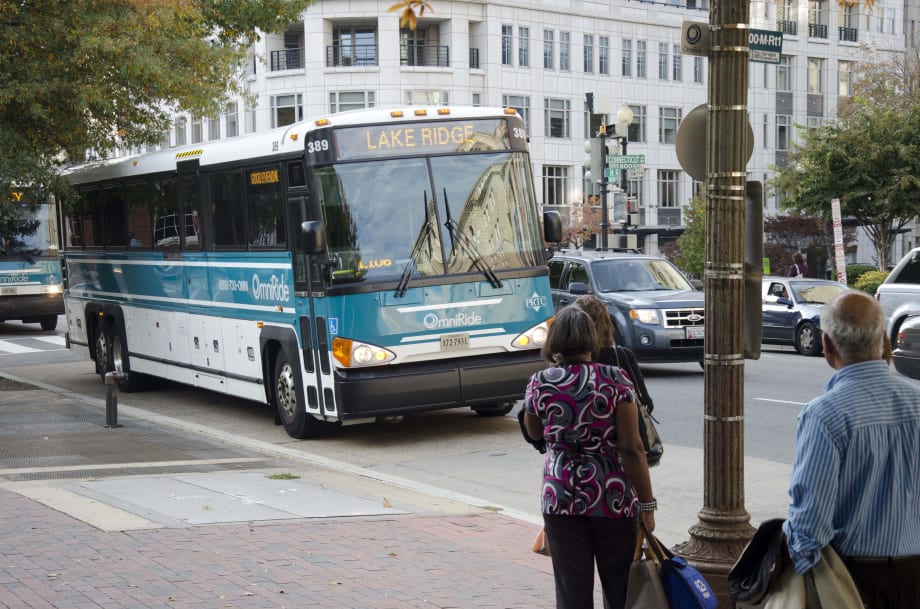
Motor Coach Industries (MCI), a subsidiary of New Flyer Industries Inc., will deliver five 2016 Commuter Coaches to Woodbridge, Va.’s Potomac and Rappahannock Transportation Commission (PRTC) to serve its OmniRide express routes. The coaches are set to arrive at the end of the year.
PRTC will mark its milestone 30th year in operation with a free community celebration from 11:30-4 p.m. Saturday, Oct. 8 at the PRTC Transit Center featuring family friendly entertainment, bus excursions, food trucks and ice cream with opportunities to support local charities.
”We’re always looking for ways to attract more non-drivers who want the frequency, dependability, safety and comfort our service provides,” said PRTC Interim Executive Director Eric Marx, noting that expansion of the region’s high occupancy lanes is driving transit expansion. Marx said PRTC is focused on “improving service while creating a modern-day system that makes transit attractive to everyone. We want to remain a cut above all other alternative modes of transportation.”
MCI’s latest Commuter Coaches will replace retirement-age equipment on its OmniRide routes, which play a critical role in transporting public- and private-sector employees to Washington, D.C., the Pentagon, and the surrounding employment core.
PRTC first took delivery of 38 MCI Commuter Coaches in 2002. With delivery of the five new coaches later this year, PRTC will have 99 MCI Commuter Coaches in its 152 vehicle fleet. All PRTC vehicles feature the latest technology to improve safety, operations, route planning, and customer satisfaction. PRTC pioneered transit GPS tracking in the U.S. and today applies TransTrack System’s data analytics package to monitor on-time performance and ridership by trip, bus stop and route to capture trends.
Features on the new 45-foot MCI Commuter Coaches include electronic stability control, 57 comfortable forward-facing seats with three-point passenger seatbelts, Trapeze TransitMaster mobile data terminals, automated stop announcements, and automatic passenger counters.
Passenger amenities include overhead parcel racks, personal reading lights, airflow controls, and a kneeling feature to lower the bus for boarding and alighting. With a reliability record that’s unmatched, the model is powered by Cummins ISX clean-diesel engine for low emissions, and is engineered with an air-ride suspension for a smooth, confident ride at highway speeds.
More Management
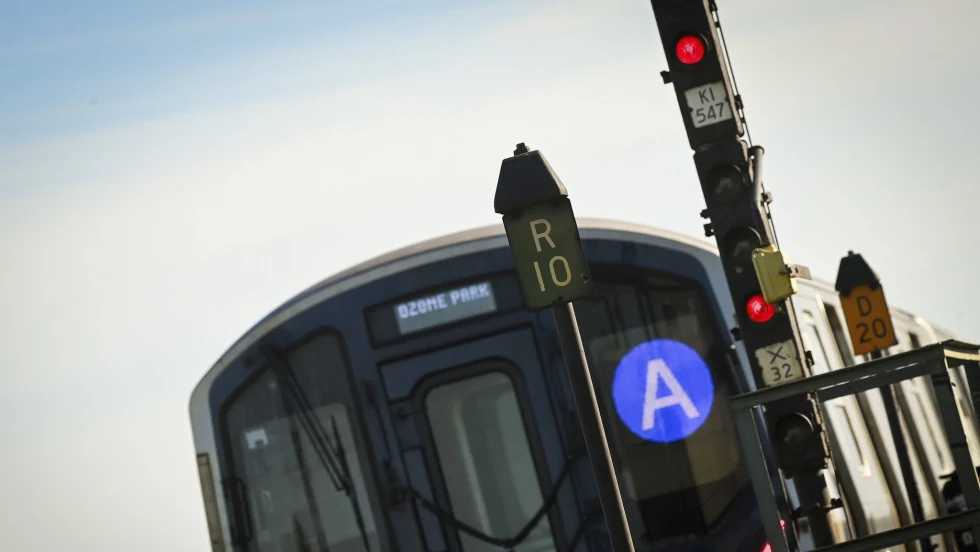
New York MTA Launches Historic $1.9B Signal, Track Modernization Project
Funded in part by congestion pricing revenue, the project will replace nearly century-old signals along the A and C lines in Brooklyn and Queens.
Read More →
Brian Dickson on Building Stronger, More Resilient Transportation Organizations
Bus Business Consultants Founder Brian Dickson discusses the leadership principles, operational discipline, and strategic planning that separate transportation companies positioned for long-term success from those stuck in survival mode.
Read More →
LA Metro Breaks Ground on Vermont BRT Project
The 12.4-mile corridor is projected to serve 66,200 daily riders, reduce travel times by up to 24%, and create the nation's busiest bus rapid transit corridor.
Read More →
Building Stronger Leaders, More Resilient Transit Teams
Dr. Carol Parker Walsh discusses leadership development, employee retention, workplace culture, and preparing transit’s workforce for AI and automation.
Read More →
Roman Cornell on ABC Companies’ Evolution and the Future of Passenger Transportation
The company’s CEO discusses carrying forward a third-generation family legacy, ABC’s continued evolution in passenger transportation, support for increasingly complex fleets, and how technology and continued investment could help operators improve uptime.
Read More →
CATS Launches West Charlotte Microtransit Zone, Expands Transit Services
The new microtransit zone connects residents to key destinations as Charlotte Area Transit System rolls out the first phase of its 2055 Transit System Plan.
Read More →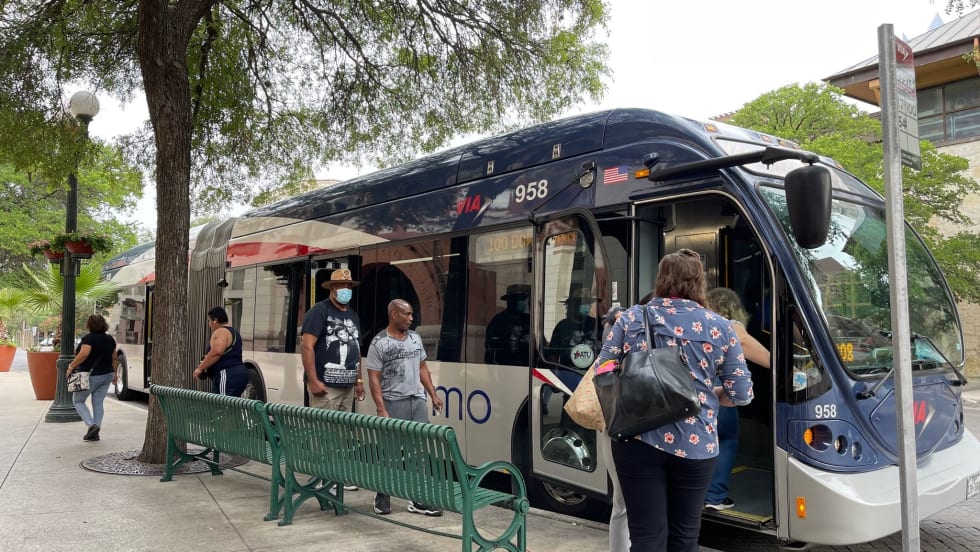
VIA Bus Ridership Grows 10.1% Through August 2026
San Antonio's VIA Metropolitan Transit reported the highest bus ridership growth among major Texas transit systems. Federal Transit Administration data ranked it second among the nation's 50 largest transit systems.
Read More →
CSA Group Releases Climate Resilience Standard for Transit, Passenger Rail
Developed with support from the Standards Council of Canada, CSA D700 guides assessing climate-related risks and planning adaptation measures for transit and passenger rail systems.
Read More →
ETA CEO John Maglio on Transit Technology, Innovation, and Building Agency Trust
ETA founder and CEO John Maglio explores the evolution of transit technology, the importance of reliable systems, and how stronger partnerships can help agencies improve operations and the passenger experience.
Read More →
COTA Launches First Customer Experience Action Plan to Improve Transit Service
The new plan outlines improvements to service reliability, accessibility, communication, and the overall rider experience across Central Ohio's transit system.
Read More →