



N.Y. MTA adds 10 high-def ad screens
In addition to increasing advertising revenue, the digital screens also have the ability to provide important information to customers. The screens will serve as a platform if there is ever a need to broadcast an emergency notification to customers.

As part of the New York Metropolitan Transportation Authority’s (MTA) efforts to increase revenue from ad space, the system placed 10 high-definition digital advertising screens at 10 different subway stations in Manhattan.
The digital screens, managed by the MTA’s advertising contractor CBS Outdoor, exclusively show Turner Broadcasting content. The high-definition screens are the first to be placed inside subway stations for digital advertising and will be used to promote coverage of the NCAA Division I Men’s Basketball Championship.
“The MTA views digital screens as playing an increasingly important role in the future of advertising inside our system. It is also great to see the evolution of a brand utilizing advertising at our subway stations in innovative ways,” said Jeffrey Rosen, MTA director, real estate.
During the Major League Baseball playoffs in 2010, Turner’s wrapping of the Times Square Shuttle included small digital screens that showed customers video clips from playoff games.
Now less than four years later, the MTA and Turner Broadcasting have entered into an agreement for the digital screens — through connectivity supported by Transit Wireless. The Transit Wireless network infrastructure is enabling the streaming of content to CBS Outdoor displays within the 10 select subway stations.
The MTA will continue to garner opportunities to add more digital screens to the transit system. In addition to increasing advertising revenue, the digital screens also have the ability to provide important information to customers. The screens will serve as a platform if there is ever a need to broadcast an emergency notification to customers.
Revenue from the sale of advertising in the MTA transit system has risen dramatically — from $38 million in 1997 to more than $130 million in 2013. Among the MTA's recent initiatives designed to increase ad revenue are station domination campaigns in which advertisers are invited to take over entire stations and digital displays on trains, buses and stations. Advertising on MetroCards has also been a success.
Digital Urban Panels with digital advertising are already in place at station entrances and On-the-Go Screens, way finding kiosks with ads, continue to be placed in the system.
Standing 66 inches high, and 36 inches wide, Turner will use the new screens to promote the NCAA Division I Men’s Basketball Championship, and will also stream promos for its entertainment and news programming on TNT, TBS, truTV, Adult Swim and CNN. The current agreement will keep the units in place through at least March 2015 but Turner has expressed interest in expanding the network years beyond.
More Management
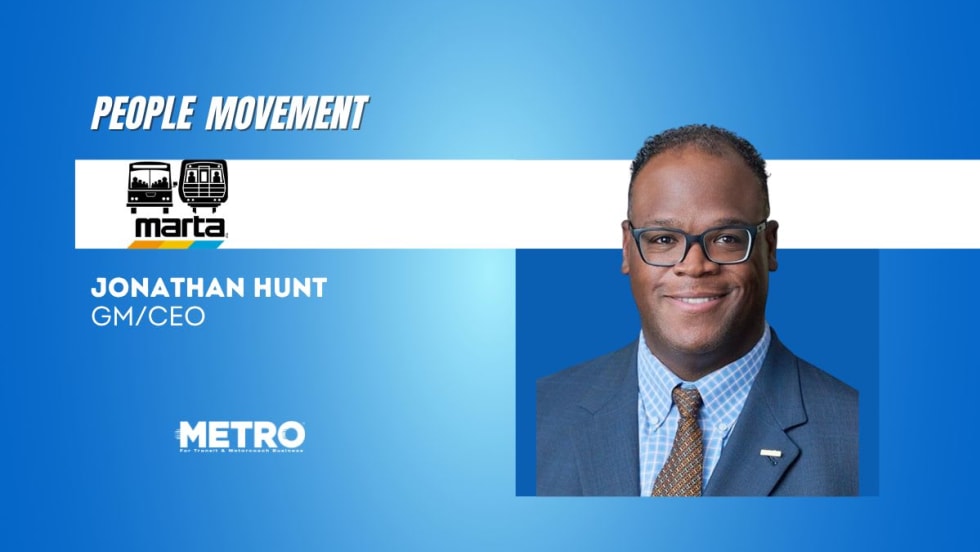
People Movement: MARTA Drops Interim Tag on GM/CEO Hunt and More
In this edition, METRO covers recent appointments and announcements at the FMCSA, HDR, SilverRide, and more, showcasing the individuals helping to shape the future of transportation.
Read More →
VIA Metropolitan Transit Reports 2 Million More Passenger Trips as Better Bus Plan Gains Momentum
San Antonio's transit agency said accelerated service improvements are driving ridership growth, offering another example of how increased frequency and workforce investments can translate into stronger transit performance.
Read More →
ABAF Study Reveals Growing Insurance Crisis for Motorcoach Operators
Preliminary findings show 98% of operators faced premium increases over the past five years, while shrinking insurer participation is putting added pressure on businesses and customers.
Read More →
PSTA Modernizes Workforce Management with Digital Bidding System
The award-winning Workforce Transit Modernization project replaced paper bidding with a transparent digital platform, cutting administrative effort while improving access for operators.
Read More →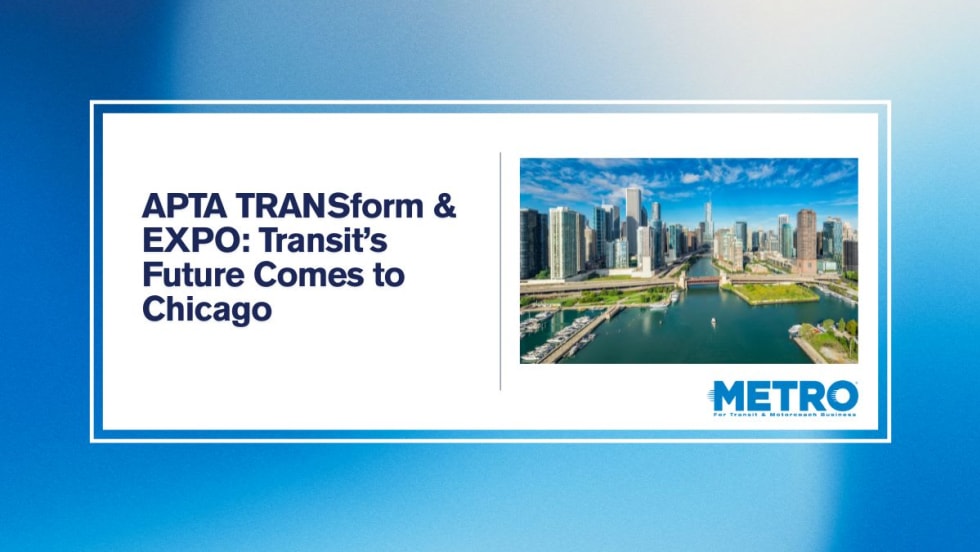
Chicago to Host Public Transportation's Biggest Gathering at APTA TRANSform & EXPO 2026
North America’s largest public transportation gathering returns to Chicago, connecting transit decision-makers with the technologies, ideas, and partnerships driving the industry forward.
Read More →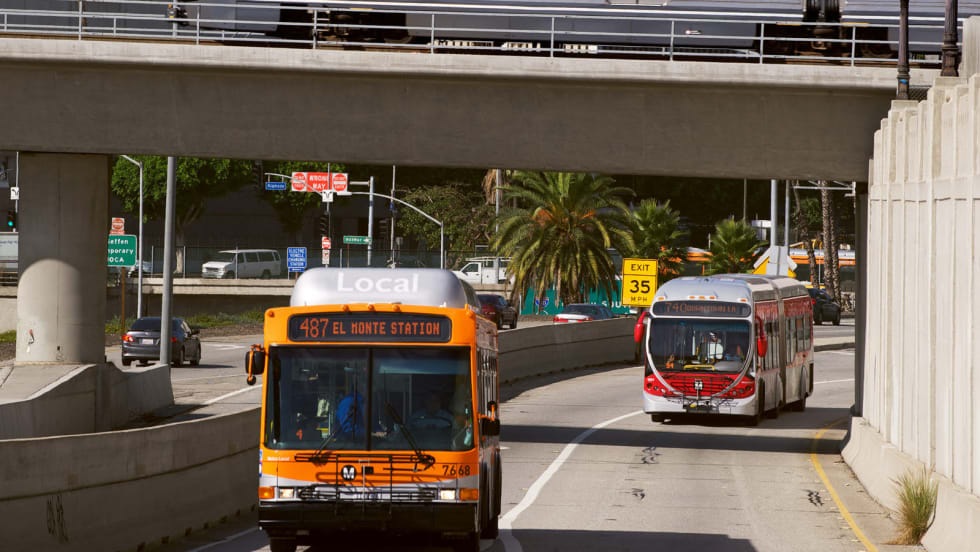
New Tricks for Old Bureaucracies: Joshua Schank on Making Transit Innovation Stick
Former LA Metro Chief Innovation Officer Joshua Schank discusses why good ideas aren't enough, how transit agencies can overcome resistance to change, and why today's challenges demand more innovation.
Read More →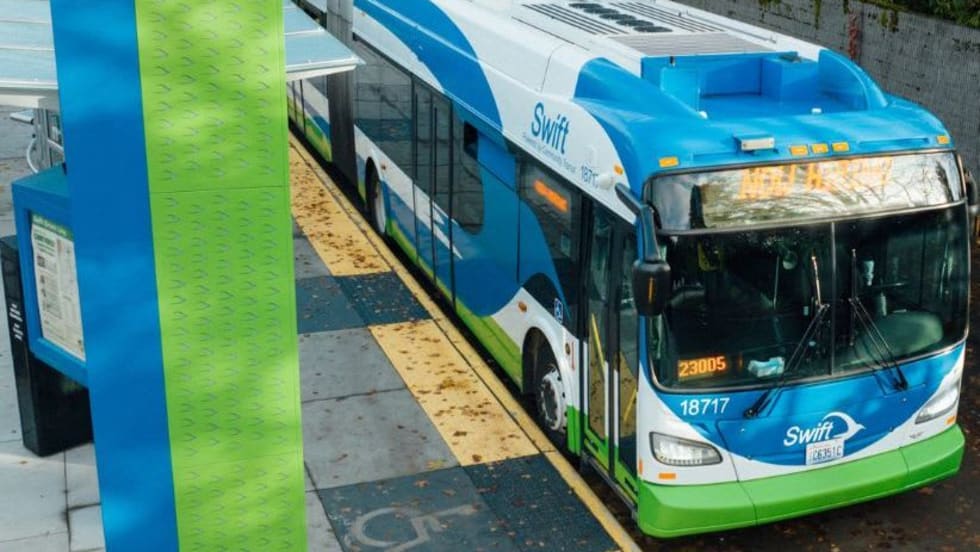
Washington's Community Transit Sets Six-Year Roadmap for Growth, Expansion
Approved TDP targets more bus service, new mobility options, Swift BRT expansion, and a potential Everett Transit annexation.
Read More →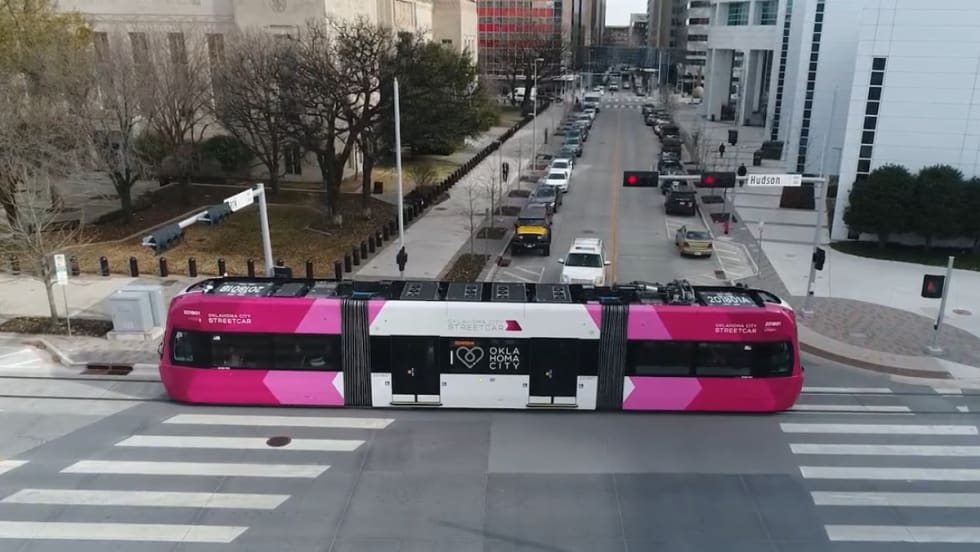
OKC Streetcar Makes Zero-Fare Service Permanent
Ridership increased an average of 71% compared with the same period a year earlier during the fare-free pilot.
Read More →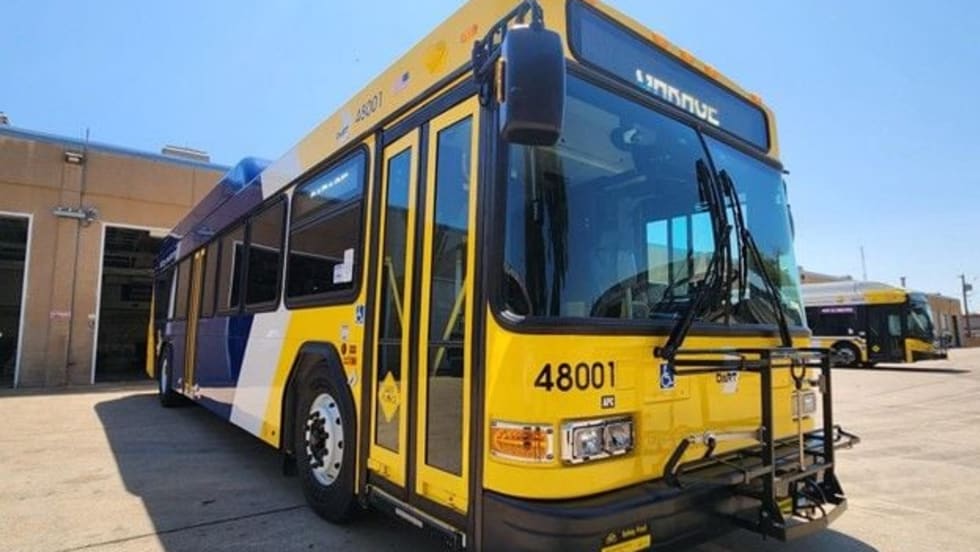
DART Customer Satisfaction Reaches Six-Year High
Overall satisfaction rose to 74.9%, while the agency’s Net Promoter Score reached a record 33.7.
Read More →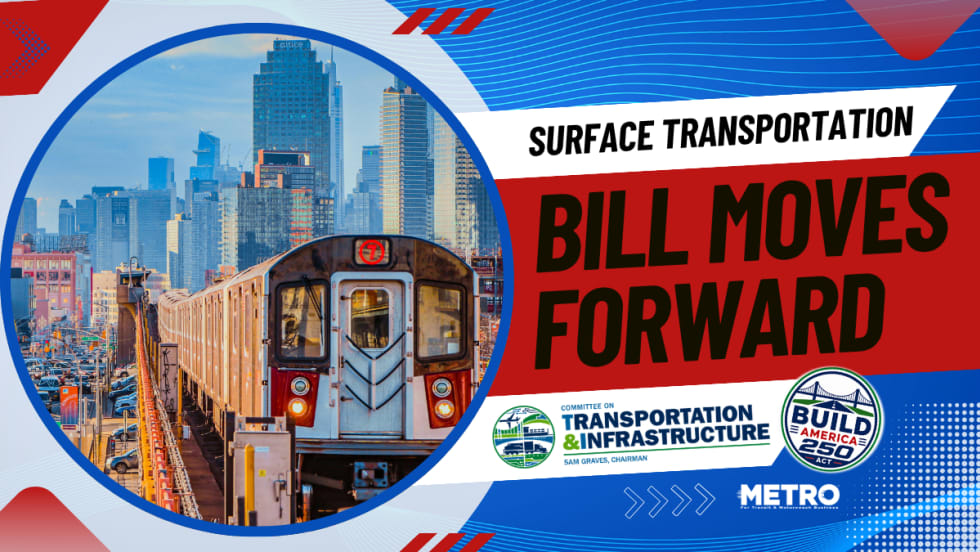
House Surface Transportation Bill Advances as Transit Funding Debate Intensifies
A bipartisan transportation package moving through Congress could redefine how the U.S. funds highways, transit, and motorcoach travel, while igniting new fights over electrification, regulation, and federal priorities.
Read More →