




Read More: MTA Unveils Grand Central Madison Escalators, Elevator
New York MTA Celebrates Grand Central Madison's Inaugural Year
Grand Central Madison is the largest passenger rail terminal to be built in the country in 67 years.
January 25, 2024
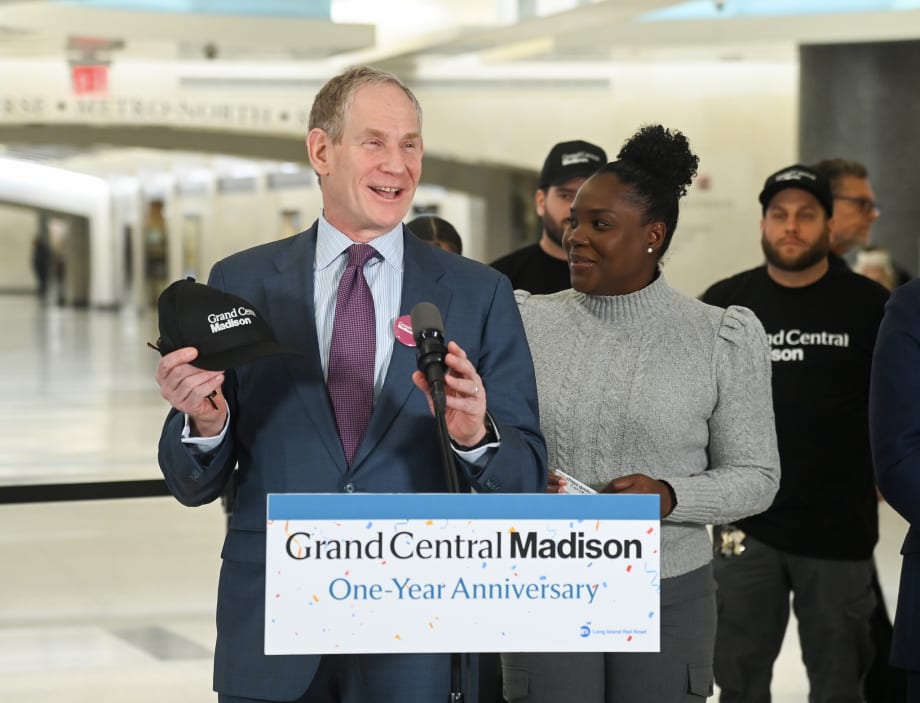
MTA Chair/CEO Janno Lieber commemorates the one-year anniversary of the opening of Grand Central Madison.
Photo: Marc A. Hermann/MTA
3 min to read
Governor Kathy Hochul and officials from the New York Metropolitan Transportation Authority celebrated the upcoming anniversary of the MTA’s opening of Grand Central Madison, which introduced new commuting opportunities on the Long Island Rail Road.
“The opening of Grand Central Madison marked a new beginning of travel and regional connectivity," Hochul said. “It has delivered significant benefits to the tens of thousands of New Yorkers who rely on it every day, and shows the importance of continuing to expand transit throughout the region.”
The terminal’s doors were officially opened to the public for the first time on Thursday, January 25, 2023, with train service operating between Jamaica Station and the terminal.
Full-service schedules, introducing a 41% systemwide service increase were implemented on Feb. 27.
Since opening, the terminal has been the origin or destination of 17.1 million trips, and 289 trains currently operate daily during the week. The percentage of ridership between Grand Central Madison and Penn Station continues to grow to the projected split, reaching a rush hour 60/40 split on Jan. 19, with 34,117 customers traveling to Penn Station and 22,351 traveling to Grand Central Madison.
Since the implementation of full service in February, the LIRR sold 44,573 Combo Tickets in 2023 and Metro-North sold 36,871, for a combined total of 81,444 tickets.
The discounted City Ticket for travel within New York City was expanded to peak hours in July 2023, and 1.2 million have been sold to/from Grand Central Madison since it opened.
“It’s worth celebrating how Grand Central Madison has shortened commutes for millions and enabled a dramatic 41 percent LIRR service increase, including first-time robust reverse commuting options that have connected City residents to jobs on the island and allowed Long Island businesses to recruit talent from the entire region," MTA Chair and CEO Janno Lieber said. We are grateful to have had the unwavering support of Governor Hochul, who recognized Grand Central Madison’s benefits from Day One of her administration.”
Enhancements Since Opening Grand Central Madison
Schedules have been adjusted based on customer feedback and ridership data while balancing operational elements to ensure service reliability.
In the terminal itself, escalator operations have been modified to provide additional capacity going up in the mornings, often having all but one escalator per escalator bank, operate upwards to the mezzanine.
Based on last year’s biannual Customers Count Survey in the spring, 96% of Grand Central Madison customers said they were satisfied or very satisfied with the terminal, the highest rating of any station or terminal across the LIRR.
However, to improve the passenger experience, additional wayfinding signs were installed to make the concourse easier to navigate, and, in November, cellular service was activated in Grand Central Madison tunnels, supplementing the existing cellular and Wi-Fi network in the station.
Digital screens were also installed in Grand Central Madison with Metro-North departures, and screens in Grand Central Terminal were installed with LIRR departures.
Currently, the MTA is reviewing proposals for a café/bar across the ticket offices in Grand Central Madison, with an expected opening date later this year.
More Rail
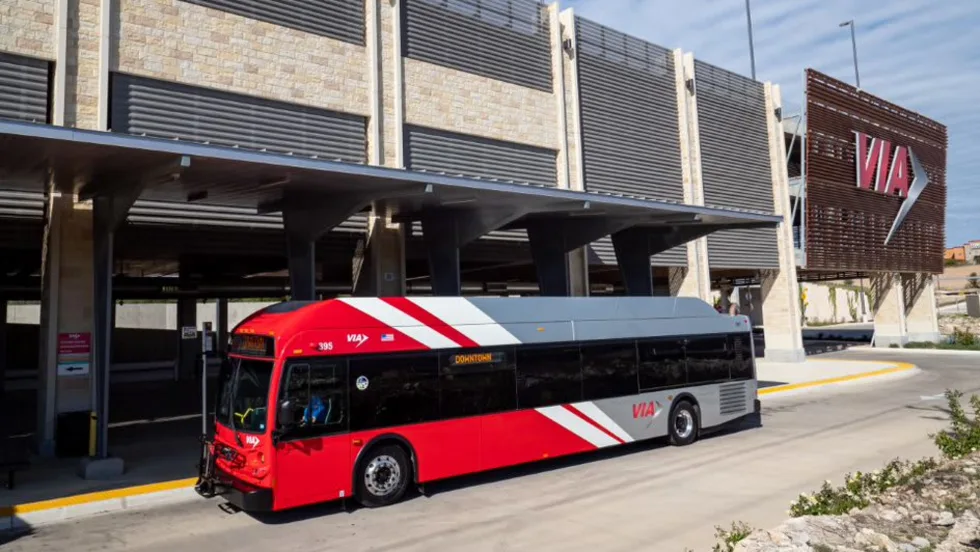
VIA, MBTA Reach Pre-Pandemic Ridership Milestones as Transit Use Climbs
VIA surpasses three million monthly trips for the first time since 2020, while the MBTA tops one million average weekday trips as both agencies report continued ridership growth.

People Movement: Metrolink's Kettle Announces Retirement, Feakins to CEO at UZURV, and More
In this edition, we also cover recent appointments and announcements at King County Metro, SilverRide, and more, showcasing the individuals helping to shape the future of transportation.
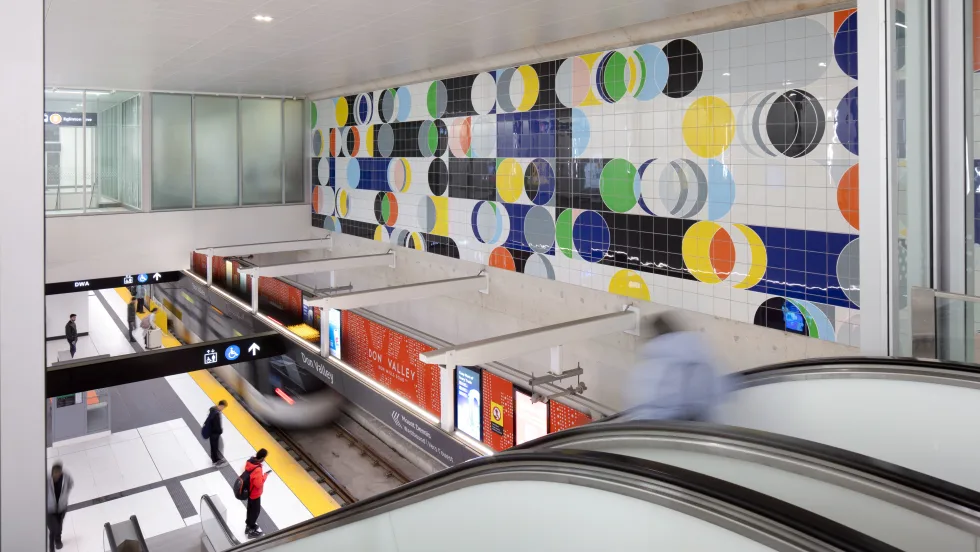
How Gen Z's Changing Mobility Habits Are Reshaping Public Transit
As younger generations embrace multimodal mobility over private vehicles, transit agencies can rethink station design, the passenger experience, and public transportation's role in building connected communities.
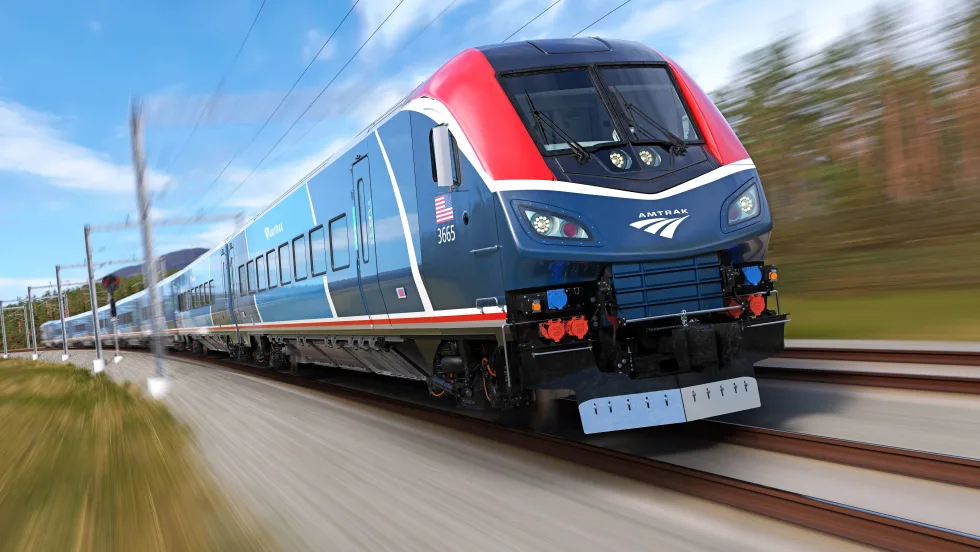
Amtrak Expands Airo Fleet with Eight Higher-Capacity Trainsets
The new 10-car trains, expected to enter service in 2031, will provide about 34% more seating capacity to meet growing demand on the Northeast Corridor.

APTA Urges FTA to Withdraw Proposed Capital Investment Grants Guidance
The association warns that proposed changes could delay transit projects, reduce federal funding, and create new hurdles for 47 projects currently in the CIG pipeline.

Amtrak, NJ TRANSIT Launch Full Service on New Portal North Bridge
The completion of the two-track bridge over the Hackensack River eliminates a longstanding source of delays for NJ TRANSIT and Amtrak customers. It marks a major milestone for the Gateway Program.
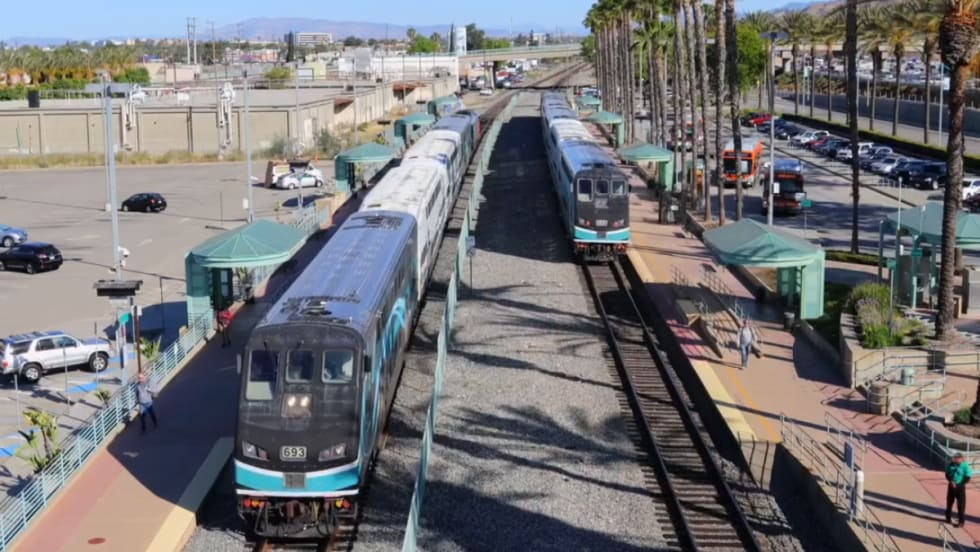
Southern California’s Metrolink Approves $508.8M Budget, Avoids Service Cuts
A $20 million state allocation allows the regional rail agency to maintain existing weekday and weekend service through fiscal year 2028, although longer-term funding challenges remain.
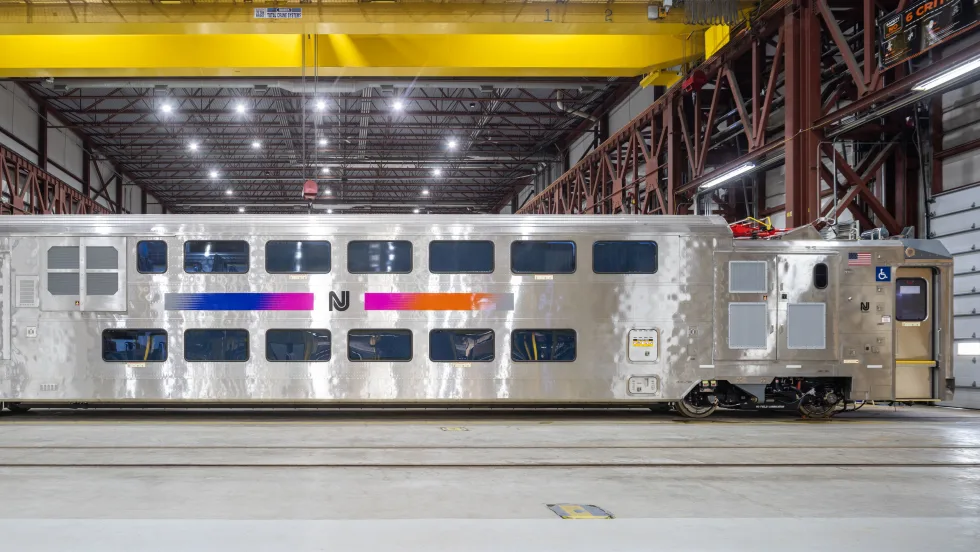
NJ TRANSIT Approves $65.6M for Hudson-Bergen Light Rail Improvements
The funding marks the first phase of a planned $250 million investment over five years to modernize stations, overhaul vehicles, and improve system reliability and passenger safety.

STraffic Expands North American Presence with Fare Collection Technology
John Moon, Associate Director, Product Strategy at STraffic, discusses the company's growth in North America, its efforts to reduce fare evasion, and more.

Study: Denver RTD Generates $2.1 Billion in Annual Economic Activity
An economic impact study finds the agency supports approximately 17,500 jobs, delivers $1.6 billion in annual community and mobility benefits, and generates $2.42 in economic value for every dollar invested.