




Mission Complete: MTA Long Island Rail Road Completes Track Extension
New York MTA Highlights Ridership Gains on LIRR, Metro-North Railroad
Metro-North's 2022 ridership of 48.9 million was up 59% from 2021’s 30.8 million.
April 25, 2023

In 2022, the LIRR recorded double-digit growth in reverse-peak travel even in advance of major reverse-peak schedule increases that took effect in late February 2023.
Photo: New York MTA
3 min to read
In the first detailed analysis of Long Island Rail Road and Metro-North Railroad ridership in 2022, Metropolitan Transportation Authority (MTA) officials highlighted trends that contributed to the most significant year-over-year ridership gains since Metro-North was founded in 1983 and LIRR modern record-keeping began in 1979, according to the agency's news release.
A Look at Ridership Numbers
Among the findings:
Metro-North's 2022 ridership of 48.9 million was up 59% from 2021’s 30.8 million, bringing total ridership to 56.4% of 2019 pre-pandemic ridership.
LIRR 2022 ridership of 52.5 million was up 50% from 2021’s 35.0 million, bringing total ridership to 57.6% of 2019 pre-pandemic ridership.
Despite the pandemic, Metro-North’s customer trips between pairs of stations outside Manhattan – known by the railroad as intermediate travel – are up 52% compared with 1990 levels.
“These numbers paint a picture of a healthy ridership recovery that is in part being fueled by strengthening of off-peak, discretionary, leisure, and non-commutation travel as riders increasingly opt for the railroads for their convenience, reliability, and environmental benefits,” said Catherine Rinaldi, president of Metro-North Railroad and interim president of the Long Island Rail Road. “With the continued post-pandemic strengthening of in-office work and the opening of Grand Central Madison in early 2023, allowing direct cross-railroad travel for the first time, I predict even stronger numbers in 2023.”
Other Ridership Factors
Other factors fueling the ridership growth are increasing ease of access to service information and ticketing, and fare discounts.
The MTA introduced a pilot program offering updated fare structures starting on Feb. 25, 2022, including a 10% discount on monthly tickets, the creation of discounted 20-trip tickets, and an expansion of the discounted $5 City Ticket for travel within the borders of New York City, from weekends-only to all weekend/weekday off-peak trains.
Six months later, the MTA introduced a merged TrainTime app for both railroads which combines ticketing with a vast amount of granular, real-time, easily accessible information on train locations, estimated arrival times, track assignments, and seating availability per car.
Even despite the impact of the pandemic, Metro-North intermediate ridership was 31.3% more than 2021 and 52.4% more than 1990, underscoring the public’s long-term trend of growing use of Metro-North for local travel within the Hudson Valley, the Bronx, and Connecticut.
In 2022, the LIRR recorded double-digit growth in reverse-peak travel even in advance of major reverse-peak schedule increases that took effect in late February 2023.
In 2022, reverse-peak ridership increased by 35.9% in the morning period and +33.2% in the afternoon/evening peak period. This growth outpaced general non-commutation ridership, which increased by 24.2% over 2021.
While LIRR ridership grew by double digits on every branch, the top five strongest branches were the Oyster Bay Branch (66.1% increase), West Hempstead Branch (61.8% increase), Port Washington Branch (59.1% increase), Hempstead Branch (58.7% increase), and Port Jefferson Branch (50.3% increase).
More Rail
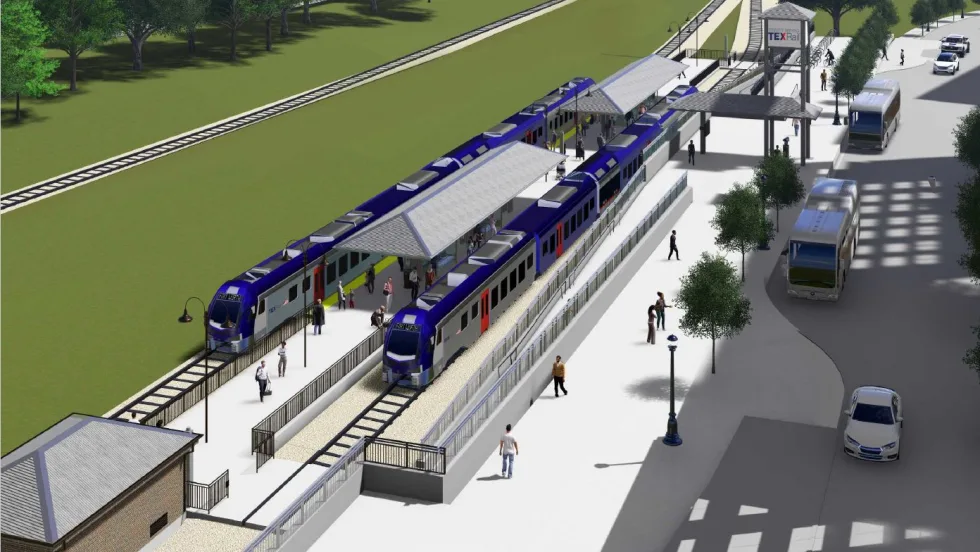
Trinity Metro Breaks Ground on $270M TEXRail Extension
The 2.1-mile extension will connect Fort Worth’s Medical District and Near Southside to downtown, surrounding communities, and Dallas-Fort Worth International Airport.
Read More →
Bringing Austin’s First Light Rail System to Life
Austin Transit Partnership CEO Greg Canally discusses the city's nearly 10-mile light rail project, its collaborative approach to project delivery, the importance of community engagement, and the milestones ahead as construction approaches in 2027.
Read More →
Metra Draft Plan Outlines Costs, Service Improvements for Regional Rail
The Systemwide Network Plan identifies infrastructure needs and potential investments to expand all-day, bidirectional rail service across the Chicago region.
Read More →
Amtrak Completes First Street Tunnel Upgrades, Restores Service
The nine-day construction project included replacing aging track infrastructure and modernizing switch systems near Washington Union Station.
Read More →
FRA Announces $2.3B for Passenger, Freight Rail Projects Nationwide
The CRISI Grant Program funding will support rail infrastructure improvements, safety upgrades, and projects aimed at improving freight and passenger rail service across 45 states and Washington, D.C.
Read More →
Caltrain’s Electrification Drives a New Era of Ridership Growth
The railroad’s shift to electric service has brought more frequent trains, stronger customer satisfaction, and increased ridership, earning it APTA’s Outstanding Public Transportation System award.
Read More →
FTA Advances $164M Broward County Commuter Rail Project
The proposed 10.5-mile commuter rail extension would connect Fort Lauderdale and Aventura, expanding passenger rail options in South Florida.
Read More →
New York MTA Launches Historic $1.9B Signal, Track Modernization Project
Funded in part by congestion pricing revenue, the project will replace nearly century-old signals along the A and C lines in Brooklyn and Queens.
Read More →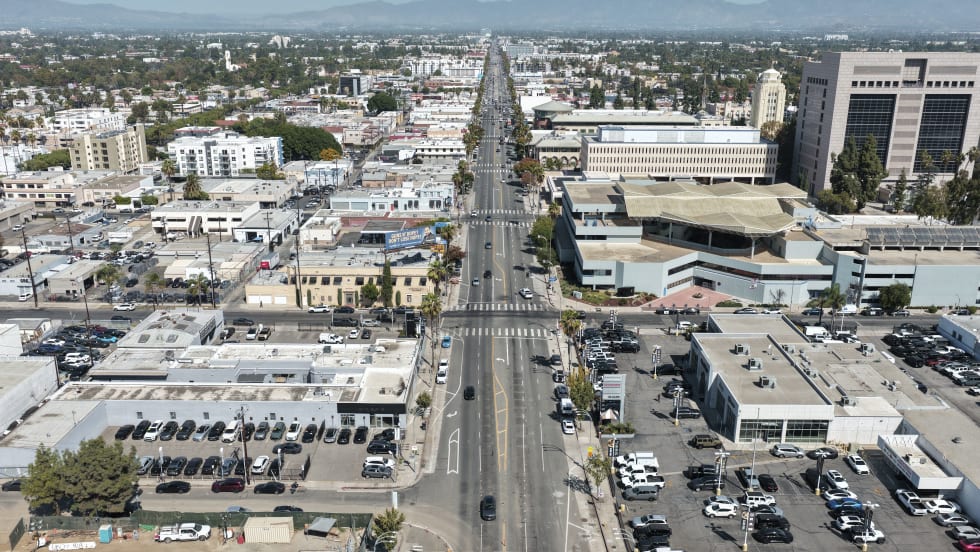
LA Metro Breaks Ground on East San Fernando Valley Light Rail Project
The 6.7-mile line will add 11 stations along Van Nuys Boulevard, expand access to jobs and regional transit connections, and support Metro’s broader efforts to improve mobility as rail ridership grows.
Read More →
CSA Group Releases Climate Resilience Standard for Transit, Passenger Rail
Developed with support from the Standards Council of Canada, CSA D700 guides assessing climate-related risks and planning adaptation measures for transit and passenger rail systems.
Read More →