



New York MTA names Byford president of NYC Transit
A seasoned and highly regarded transportation professional whose work has taken him across three continents over nearly three decades, Andy Byford joins NYC Transit after a widely hailed five-year stint as the CEO of the Toronto Transit Commission.

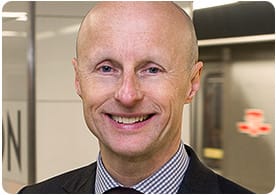
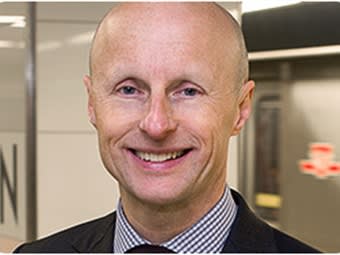
The New York Metropolitan Transportation Authority (MTA) named Andy Byford as its next president of New York City Transit, the MTA agency responsible for New York City subways, buses, paratransit services, and the Staten Island Railway.
A seasoned and highly regarded transportation professional whose work has taken him across three continents over nearly three decades, Byford joins NYC Transit after a widely hailed five-year stint as the CEO of the Toronto Transit Commission (TTC), the third largest transit system in North America. Byford began his transit career at London Underground where, over 14 years, he rose to the position of GM of the Central, Bakerloo, and Victoria Lines, three of its busiest subway lines. He oversaw increases in customer satisfaction and operational performance at the main line UK railway system and was COO of Australia's largest transit system in Sydney. He will assume his position at NYC Transit in January. The hiring of Byford comes after an extensive and international search.
“We are thrilled that Andy is going to lead NYC Transit during this time of great change,” MTA Chairman Joseph Lhota said. “Our transit system is the backbone of the world’s greatest city and having someone of Andy’s caliber to lead it will help immensely, particularly when it comes to implementing the Subway Action Plan that we launched this summer. In order to truly stabilize, modernize, and improve our transit system, we needed a leader who has done this work at world-class systems and Andy’s successes in Toronto are evidence that he is up to this critically important task."
“New York City’s public transit system has driven New York City to become the bustling, successful metropolis that it is, and it’s an honor to be trusted with the huge responsibility to modernize the system and bring it to the high levels of performance and customer service that New Yorkers truly deserve and rightfully expect,” Byford said. “I look forward to working with my new colleagues and all the employees of New York City Transit and the MTA, and, most importantly, our customers.”
At the TTC, Byford spearheaded several prominent initiatives including the development of a corporate plan aimed at completely modernizing the TTC and improving all aspects of operational performance. Under his leadership, subway delays have been reduced, customer satisfaction has hit record levels, and a number of major projects progressed, including the phased introduction of a modern signal system and the imminent completion of a major subway line extension. These improvements led to the TTC being named by the American Public Transportation Association as its Outstanding Transit System of the Year for 2017.
In June, Byford was a member of a panel presenting about international best practices at the MTA Genius Transit Challenge, where he described his successful efforts to modernize and improve Toronto’s subway system. At NYC Transit, Byford will be responsible for leading the immediate and long-term modernization of one of the oldest and largest transit systems in the world, including ensuring the success of the Subway Action Plan, which aims to stabilize and modernize the subway system by targeting the key drivers of delays. The most recent permanent president for NYC Transit was Veronique “Ronnie” Hakim, currently MTA Managing Director. NYC Transit has nearly 50,000 employees throughout the five boroughs. A native of the UK, Byford holds an honors degree from the University of Leicester.
More Management
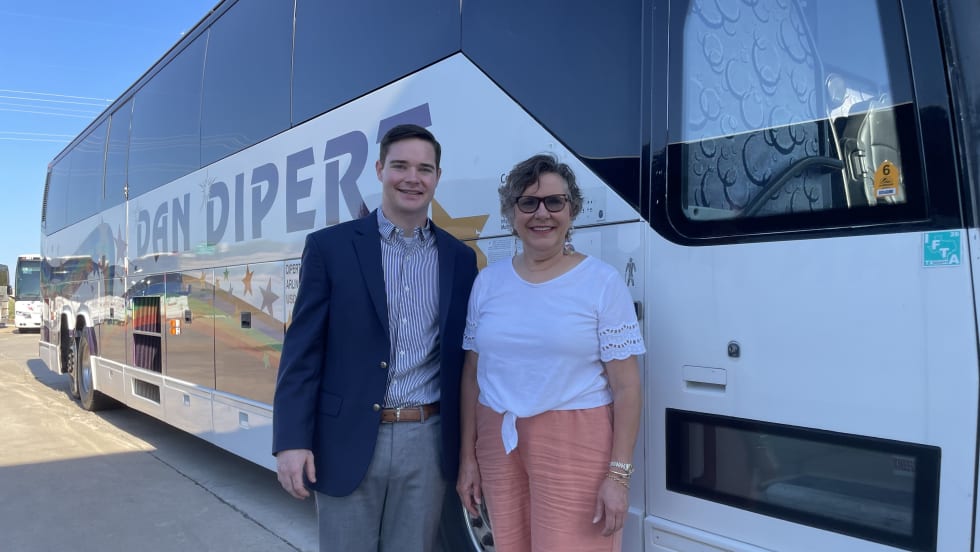
People Movement: Dan Dipert Coaches Adds Third-Generation Leader, Keolis Names New Valley Metro VP/GM, and More
In this edition, we also cover recent appointments and announcements at the Wabtec, SilverRide, HNTB, and more, showcasing the individuals helping to shape the future of transportation.
Read More →
METRO Opens Submissions for 2026 Motorcoach Awards
Nominations are now being accepted for METRO Magazine’s Operator of the Year and Innovative Operator of the Year awards.
Read More →
New York MTA Advances Final Contract for Second Avenue Subway Expansion
Contract Four is the largest in the Second Avenue Subway Phase 2 project and includes construction of station infrastructure, tracks, and signals for the subway expansion, MTA officials said. Work on Contract Four will begin in 2027.
Read More →

Transit Agencies Highlight Safety Gains at National Summit
Leaders from 15 major transit systems shared crime-reduction results and safety initiatives while discussing the role of continued federal support.
Read More →
NITA Names New Leadership, Expands Reduced-Fare Program at First Board Meeting
The new regional transit authority appointed its first board chair and interim executive director while extending reduced fares across CTA, Metra, and Pace for eligible riders.
Read More →
Beyond the Checklist: A Structured Approach to Transit Maintenance
Reliability-Centered Maintenance helps transit agencies move beyond routine checklists to focus limited resources on the assets and failures that have the greatest impact on safety, reliability, and service.
Read More →
APTA 2026 Nominating Committee Selects Leadership Slate, Names Chair and Vice Chair Nominees
Leadership changes will help shape the association’s priorities and its representation of the transportation industry during the 2026–2027 term.
Read More →
DART Launches Major Security, Fare Enforcement Initiative
The 90-day demonstration will deploy coordinated security teams at five light rail stations while testing controlled access and gathering data to guide future investments.
Read More →
Advancing Fare Collection Through Technology and Innovation
Learn about delivering 1300 gates at 91 stations while managing fare evasion. Explore the large scale deployment, solution customization and real-world results that affect the region. Prepare for deployment in your region now.
Read More →
Game Day in Motion: Moving Millions During the 2026 World Cup
Between packed transit stations and team motorcoaches, see how agencies and operators across North America tackled the transportation demands of the 2026 FIFA World Cup.
Read More →