




Read More: New York MTA Receives Recommendations for Congestion Pricing Toll Rate Schedule
New York MTA to Begin Public Review Process for Central Business District Tolling Rate Schedule
The public review, to be conducted in accordance with the New York State Administrative Procedure Act (SAPA), will be similar to review processes regularly undertaken when the MTA proposes fare and toll modifications.
December 7, 2023

After the conclusion of the public hearing process, the MTA Board will review the input received and then schedule a vote to authorize adoption, as is or with modifications.
Photo: MTA
2 min to read
The Triborough Bridge and Tunnel Authority (TBTA) Board, which is coterminous with the Metropolitan Transportation Authority (MTA) Board, voted to begin public review of a tolling structure for Central Business District Tolling, New York’s congestion pricing program, according to the MTA's news release.
The public review, to be conducted in accordance with the New York State Administrative Procedure Act (SAPA), will be similar to review processes regularly undertaken when the MTA proposes fare and toll modifications.
Following a 60-day public comment period where members of the public can offer comments electronically, or via voicemail or U.S. Mail, there will be a series of hybrid virtual and in-person public hearings that will be held on dates and times to be announced.
Subject of the Review
The subject of the review is the slate of toll proposals that are found as Attachment A on pages 14-16 of the MTA Board’s Dec. 6 meeting agenda.
The proposals are informed by, and largely mirror, recommendations issued on Nov. 30 by the Traffic Mobility Review Board.
“People have been talking about congestion pricing for generations – going back to the late ’60s,” said MTA CEO Janno Lieber. “We have a plan, produced by an incredibly thoughtful TMRB, that achieves our big goals – keeping the toll low, providing big night and weekend discounts and also discounts and exemptions for the folks who really need to drive. Process-wise, we have a ways to go but we have already done 25+ public meetings and hearings and responded to 70,000 comments, so we’re determined to keep moving forward to implementation.”
Hearings are expected to be held in early 2024. After the conclusion of the public hearing process, the MTA Board will review the input received and then schedule a vote to authorize adoption, as is or with modifications. Toll collection is anticipated to commence in late spring.
While the public review process is underway, the vendor that is building out the toll system and infrastructure will continue installing the infrastructure that will be used for toll collection. As of today, 60% of the sites are complete.
More Management

Bringing Austin’s First Light Rail System to Life
Austin Transit Partnership CEO Greg Canally discusses the city's nearly 10-mile light rail project, its collaborative approach to project delivery, the importance of community engagement, and the milestones ahead as construction approaches in 2027.
Read More →
ETA CEO John Maglio on Transit Technology, Innovation, and Building Agency Trust
ETA founder and CEO John Maglio explores the evolution of transit technology, the importance of reliable systems, and how stronger partnerships can help agencies improve operations and the passenger experience.
Read More →
Metra Draft Plan Outlines Costs, Service Improvements for Regional Rail
The Systemwide Network Plan identifies infrastructure needs and potential investments to expand all-day, bidirectional rail service across the Chicago region.
Read More →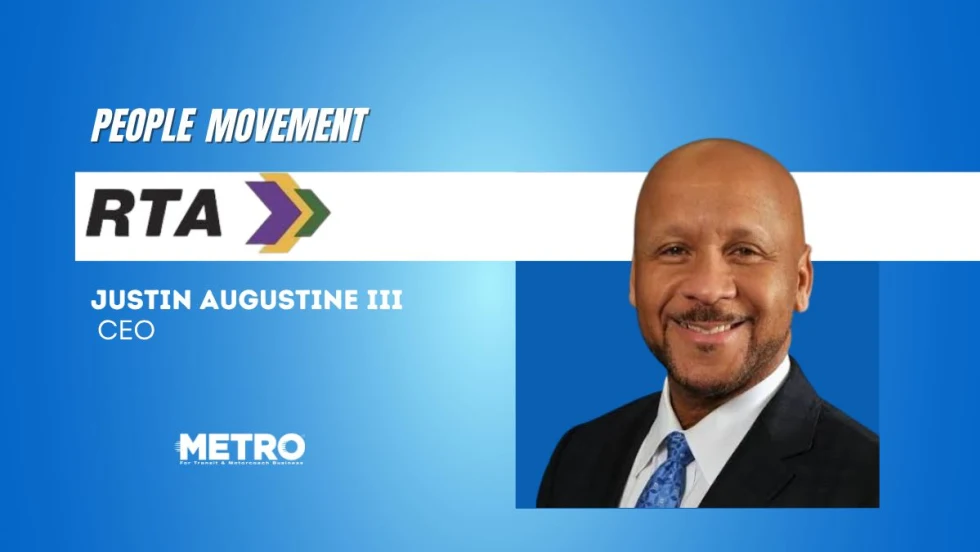
New Orleans RTA Names Augustine III as New CEO
In this edition, we also spotlight recent personnel moves at HDR, PATH, STV, and more, highlighting the people taking on new roles across the transportation industry.
Read More →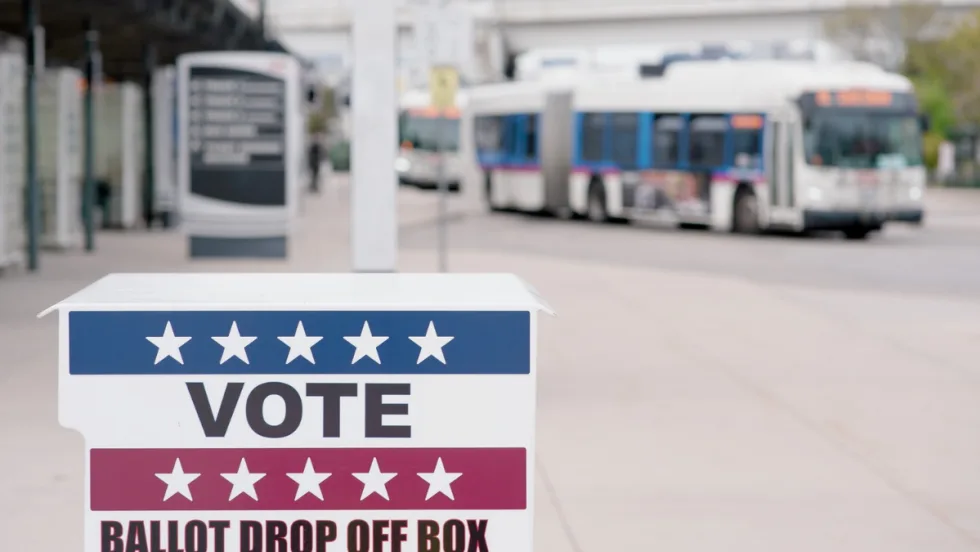
How Transit Agencies Are Using Free Rides to Improve Voting Access
Transit agencies are using fare-free service, trip-planning tools, and targeted rides to improve voting access. See what other agencies can learn from these efforts.
Read More →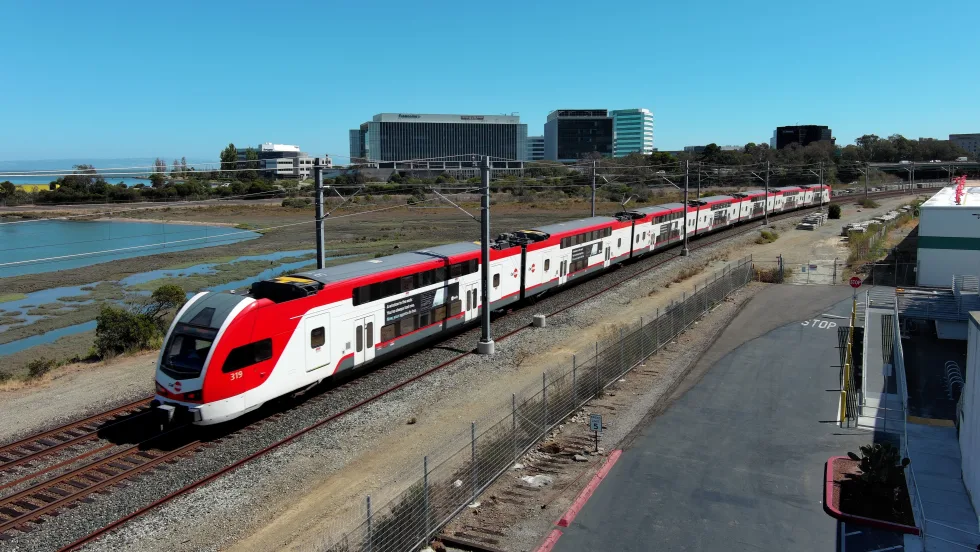
Caltrain’s Electrification Drives a New Era of Ridership Growth
The railroad’s shift to electric service has brought more frequent trains, stronger customer satisfaction, and increased ridership, earning it APTA’s Outstanding Public Transportation System award.
Read More →
Chicago, Charlotte Transit Agencies Expand Rider Support Programs
CTA launched crisis intervention teams as CATS prepares to deploy fare ambassadors, expanding customer assistance and security efforts across both systems.
Read More →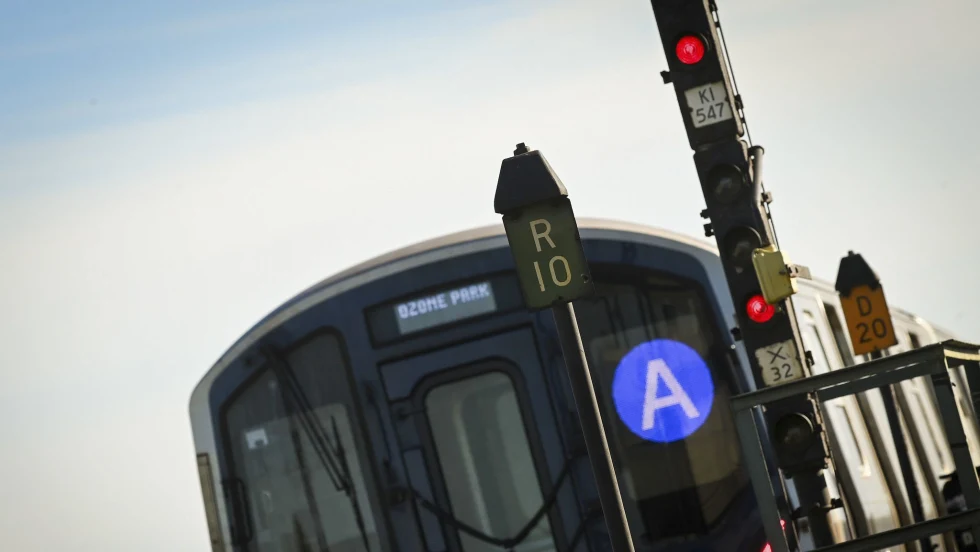
New York MTA Launches Historic $1.9B Signal, Track Modernization Project
Funded in part by congestion pricing revenue, the project will replace nearly century-old signals along the A and C lines in Brooklyn and Queens.
Read More →
Brian Dickson on Building Stronger, More Resilient Transportation Organizations
Bus Business Consultants Founder Brian Dickson discusses the leadership principles, operational discipline, and strategic planning that separate transportation companies positioned for long-term success from those stuck in survival mode.
Read More →
LA Metro Breaks Ground on Vermont BRT Project
The 12.4-mile corridor is projected to serve 66,200 daily riders, reduce travel times by up to 24%, and create the nation's busiest bus rapid transit corridor.
Read More →