



New York state makes $18.4M available for zero-emission buses
Funding is available to replace existing diesel-powered transit buses with model year 2009 and older engines, which must be permanently removed from service and scrapped.


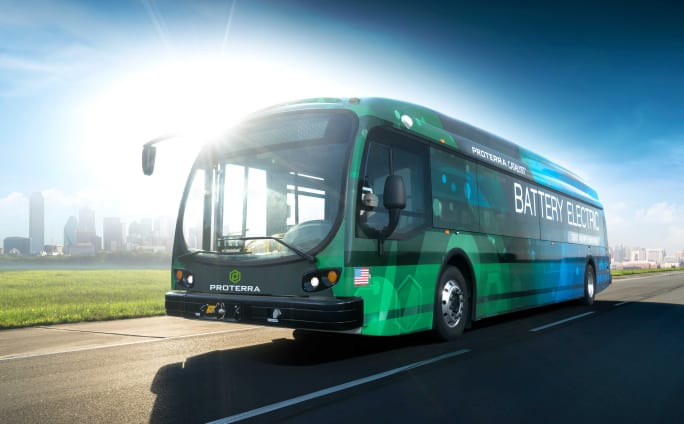
The transit bus replacement funds will be administered through NYSERDA’s New York Truck Voucher Incentive Program. Proterra
The State Department of Environmental Conservation (DEC) and the New York State Energy Research and Development Authority (NYSERDA) are making $24 million available to replace diesel-powered transit buses with new all-electric transit buses, which will help improve air quality, reduce the greenhouse gas emissions that contribute to climate change, and promote investment in cleaner fuel technologies, among other benefits. As part of the state’s $127.7 million allocation of the federal Volkswagen Settlement, NYSERDA will administer approximately $18.4 million to fund the new electric transit buses through the New York Truck Voucher Incentive Program and the New York Power Authority (NYPA) will manage $6 million for associated charging infrastructure.
Funding is available to replace existing diesel-powered transit buses with model year 2009 and older engines, which must be permanently removed from service and scrapped. Transit bus replacements are targeted at New York State government entity-owned bus fleets that have bus depots located within Potential Environmental Justice Areas (PEJAs), or operate routes that serve PEJA areas. DEC considers PEJAs to be communities of color or low-income communities that experience a disproportionate share of environmental harms such as vehicle emissions and pollution.
The transit bus replacement funds will be administered through NYSERDA’s New York Truck Voucher Incentive Program (NYTVIP), which provides point-of-sale rebates to reduce the cost for businesses and municipalities that want to purchase new, clean electric or alternative-fueled vehicles. The rebate will initially reduce the incremental cost of purchasing all-electric transit buses by up to 100% and help increase the number of all-electric transit buses on New York’s roadways while removing older diesel-powered vehicles trucks through a scrappage requirement. These new all-electric transit buses will be required to be housed at bus depots or operate on routes located within Environmental Justice communities.
At the Governor's direction, DEC, in concert with NYSERDA, NYPA, the State Department of Transportation (DOT), Port Authority of New York and New Jersey, and others, developed Clean Transportation NY — New York's plan to strategically invest the Volkswagen settlement resources for maximum benefit and to build on New York's national leadership on clean energy and climate change. The funds were secured to mitigate damages from the Volkswagen emissions cheating scandal through the federal settlement with Volkswagen. The state's strategically leveraged investment of settlement funds is anticipated to result in at least $300 million of clean vehicles and infrastructure on New York's roadways. The transportation sector is currently the largest source of greenhouse gas emissions in New York, representing approximately 34 percent of the state's total emissions.
In alphabetical order, the following 18 New York State government entities are potentially eligible under the program: Broome County Transit; Capital District Transportation Authority; Central New York Regional Transportation Authority; Chemung County; City of Long Beach, Department of Transportation; Clinton County Public Transportation; Dutchess County Public Transit; Greater Glens Falls Transit; Huntington Area Rapid Transit; Nassau Inter-City Express; Niagara Frontier Transportation Authority; Port Authority of New York and New Jersey; Rochester-Genesee Regional Transit Authority; Suffolk County Transportation; Tompkins Consolidated Area Transit; Transport of Rockland; Ulster County Area Transit; and Westchester County Bee-Line Bus System.
More Zero Emissions
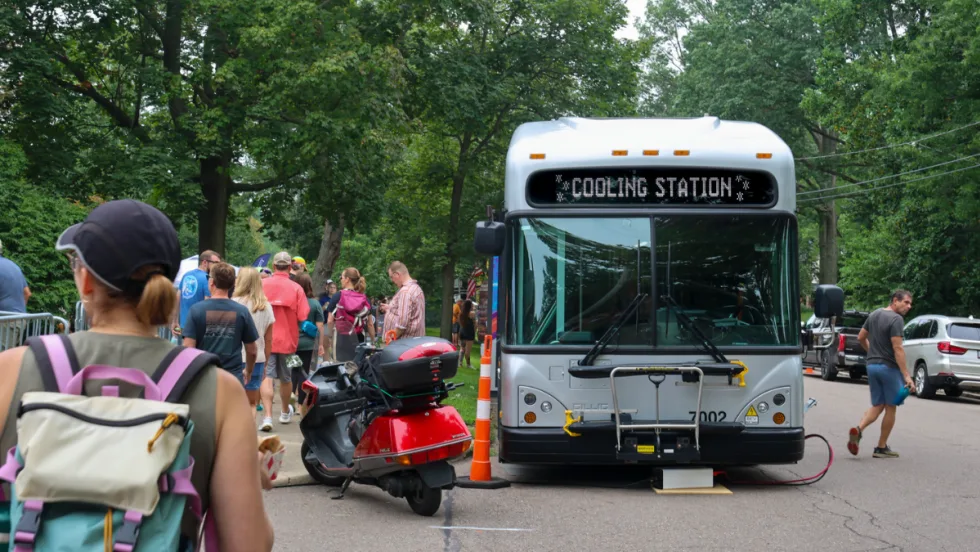
Ohio’s METRO RTA Turns Electric Buses into Mobile Power Sources at PorchROKR
See how three Gillig battery-electric buses powered festival stages while the agency’s new Park & Ride service carried approximately 1,000 attendees, demonstrating another potential use for transit agencies’ electric fleets.
Read More →
CALSTART and Forth Combine to Form Catalyst Mobility
The new name represents a renewed vision for the nonprofit focused on advancing clean, equitable, and affordable transportation solutions that move people and goods.
Read More →
Building a Flexible Path to Transit Electrification
John Hroncich discusses BAE Systems’ modular and scalable approach, lessons learned from decades of real-world operations, and how agencies can identify electrification strategies that fit their fleets.
Read More →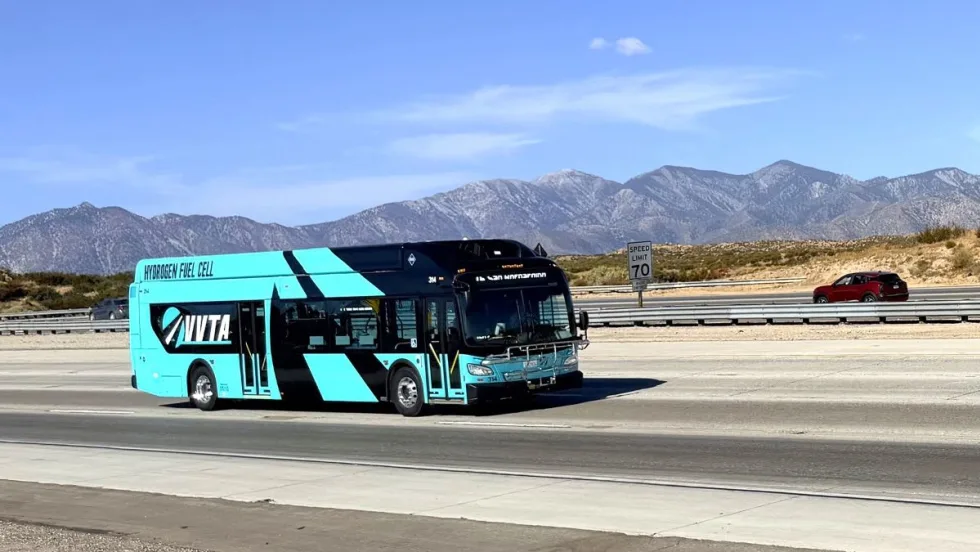
California's VVTA Begins Phased Rollout of Hydrogen Fuel Cell Buses
The agency is introducing 13 zero-emission buses into revenue service while evaluating performance across its urban, rural, and long-distance routes.
Read More →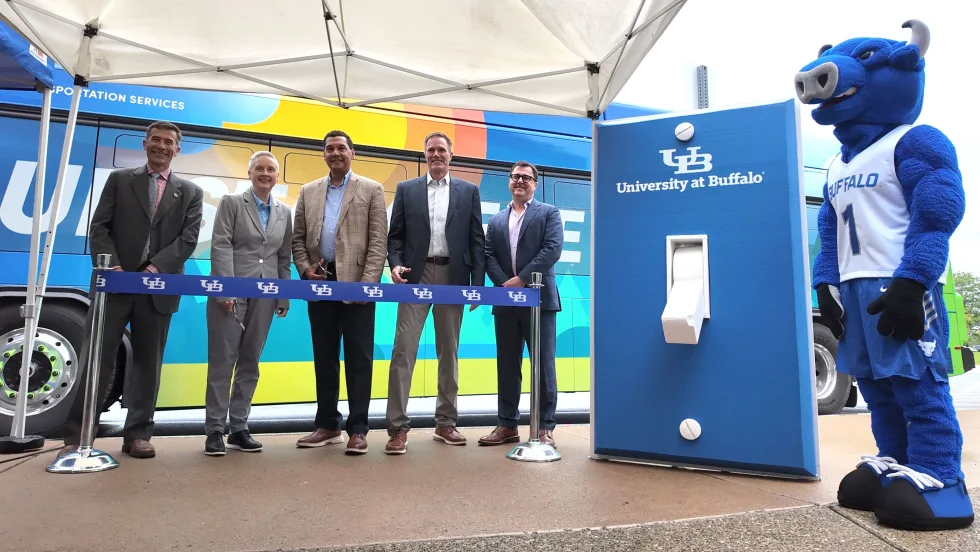
Inside Look: University at Buffalo Puts First 8 Electric Buses Into Stampede Service
UB, transportation solutions provider WeDriveU, and fleet electrification specialist Zenobē marked the deployment in the presence of students, university administrators, and local officials.
Read More →
Biz Briefs: OCTA Taps Clean Energy for Hydrogen Station, Stadler to Supply Via Rail Vehicles, and More
From manufacturers and suppliers to transit agencies and motorcoach operators, these updates offer a snapshot of the projects, partnerships and business moves driving the industry forward.
Read More →
AC Transit’s Cecil Blandon on Building the Next Generation of Transit Maintenance Leaders
The agency’s maintenance chief discusses leadership, workforce development, zero-emission technology, and preparing technicians for the future of public transportation.
Read More →
CTDOT Taps STV for Electric Bus Facility Design
The firm will work with CTDOT and RVT to define the facility layout, operational requirements, and long-term flexibility for RVT’s growing electric fleet.
Read More →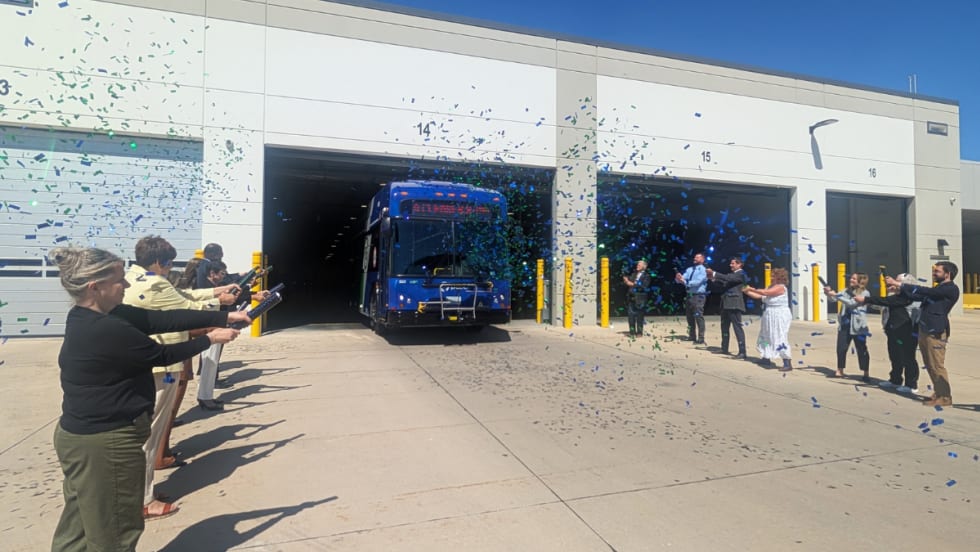
Chicago’s Pace Deploys 24 Hybrid-Electric Buses in Will County
The new buses reduce emissions and fuel consumption while advancing the agency's long-term goal of transitioning to a fully zero-emission fleet.
Read More →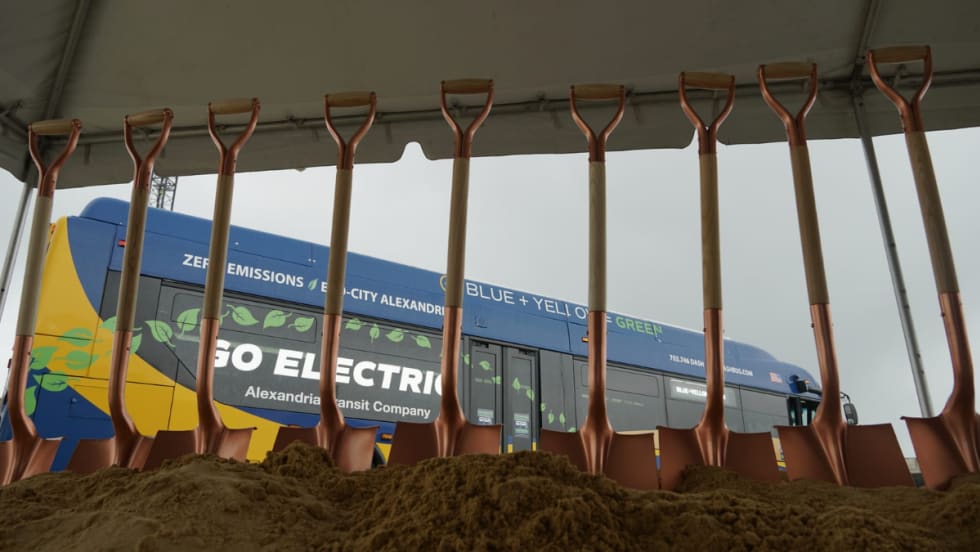
DASH Breaks Ground on First On-Route Electric Bus Chargers in D.C. Region
The fast-charging infrastructure will help extend electric bus range, improve fleet utilization, and support DASH's goal of transitioning to a fully zero-emission fleet.
Read More →