



NJ TRANSIT releases strategic, capital plans to guide agency through 2030
Together, the plans provide the vision for the agency to build the future of transportation in New Jersey.
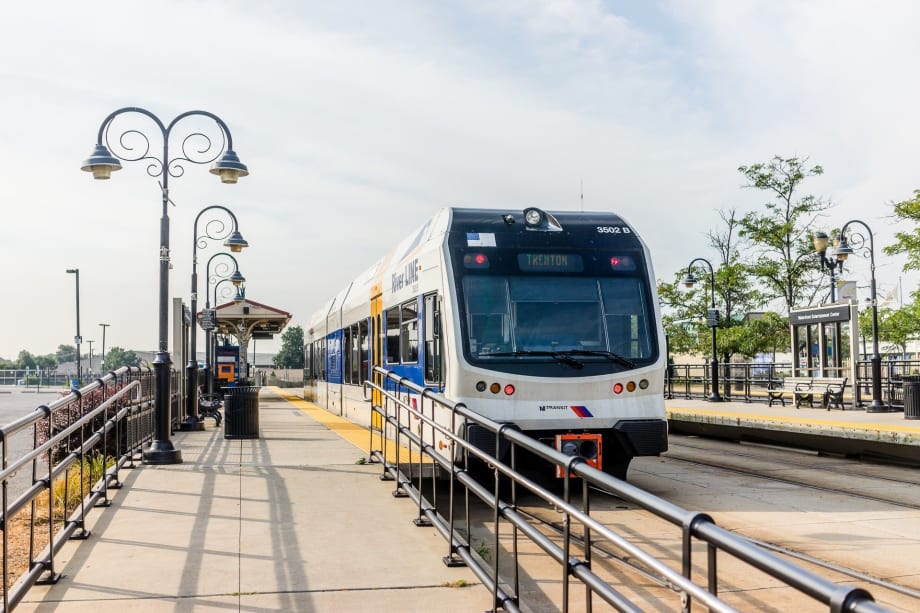
The Five-Year Capital Plan establishes five performance indicators called “project values” that help translate NJT2030's goals into metrics applicable to capital projects.
NJ TRANSIT
Gov. Phil Murphy and NJ TRANSIT President/CEO Kevin Corbett unveiled NJ TRANSIT’s 10-year strategic plan entitled “NJT2030: A 10-Year Strategic Plan” and a complementary five-Year Capital Plan. Together, the plans provide the vision for the agency to build the future of transportation in New Jersey.
“Before our current public health emergency, we made critical investments and undertook long-overdue reforms to NJ TRANSIT’s operations which have unquestionably improved reliability and performance,” said Gov. Murphy. “To safeguard that progress, NJT2030 and the Five-Year Capital Plan put forward the vision for how NJ TRANSIT will address a decade-long period of disinvestment, and further transform the agency’s core business functions to regain the confidence of customers, stakeholders, and the communities it serves.”
NJT2030: A 10-Year Strategic Plan
As the first strategic plan of its kind for NJ TRANSIT, NJT2030 begins with a vision to transform the agency into an innovative, world-class public transportation provider that meets the travel needs of every customer.
To achieve that vision, NJT2030 establishes five overarching goals:
Ensure the reliability and continued safety of the transit system.
Deliver a high-quality experience for all our customers, with their entire journey in mind.
Power a stronger and fairer economy for all communities in the region.
Promote a more sustainable future for our planet.
Build an accountable, innovative, and inclusive organization that delivers for New Jersey.
To realize these goals, NJT2030 includes deliverables within the first two years, in years three through five, and years six through 10 of the plan. Highlights include:
Improving on-time-performance.
Increasing service on the most congested bus routes.
Rail and Bus fleet replacement, including the advancement of our net-zero emissions bus program.
Upgrading Information Technology systems.
Station rehabilitations.
Improving accessibility to the system.
The primary focus of this plan is putting customers at the center of the agency’s decision-making. Based on feedback from customers, elected officials, transit advocates, and other external stakeholders, more than 100 specific strategic initiatives have been laid out for NJ TRANSIT to achieve and implement between now and 2030.
NJ TRANSIT has addressed the impacts of COVID-19 in the Strategic Plan with actions to give customers and transit operators confidence as the State begins its restart and recovery, including enhanced cleaning, social distancing, and the use of personal protective equipment among both customers and employees, enhanced communications, and greater cooperation with regional transit partners to defend against spread of the virus and share best practices.
NJ TRANSIT: A Five-Year Capital Plan
In addition to NJT2030, the agency is issuing a rolling, unconstrained five-year capital plan, which is a comprehensive capital investment strategy that describes what NJ TRANSIT can achieve with sustained and dependable funding over an extended period. The Capital Plan includes more than 100 projects touching every aspect of NJ TRANSIT service, including Access Link, Bus, Light Rail and Rail designed to establish NJ TRANSIT as a world-class transit system.
The Five-Year Capital Plan establishes five performance indicators called “project values” that help translate NJT2030's goals into metrics applicable to capital projects. The five project values are:
State of Good Repair
Customer Experience
Safety
Resiliency
Business Performance
The Capital Plan provides a path forward to a vastly improved customer experience and a future of healthy, inclusive, and sustainable communities throughout New Jersey.
More Management

Bringing Austin’s First Light Rail System to Life
Austin Transit Partnership CEO Greg Canally discusses the city's nearly 10-mile light rail project, its collaborative approach to project delivery, the importance of community engagement, and the milestones ahead as construction approaches in 2027.
Read More →
ETA CEO John Maglio on Transit Technology, Innovation, and Building Agency Trust
ETA founder and CEO John Maglio explores the evolution of transit technology, the importance of reliable systems, and how stronger partnerships can help agencies improve operations and the passenger experience.
Read More →
Metra Draft Plan Outlines Costs, Service Improvements for Regional Rail
The Systemwide Network Plan identifies infrastructure needs and potential investments to expand all-day, bidirectional rail service across the Chicago region.
Read More →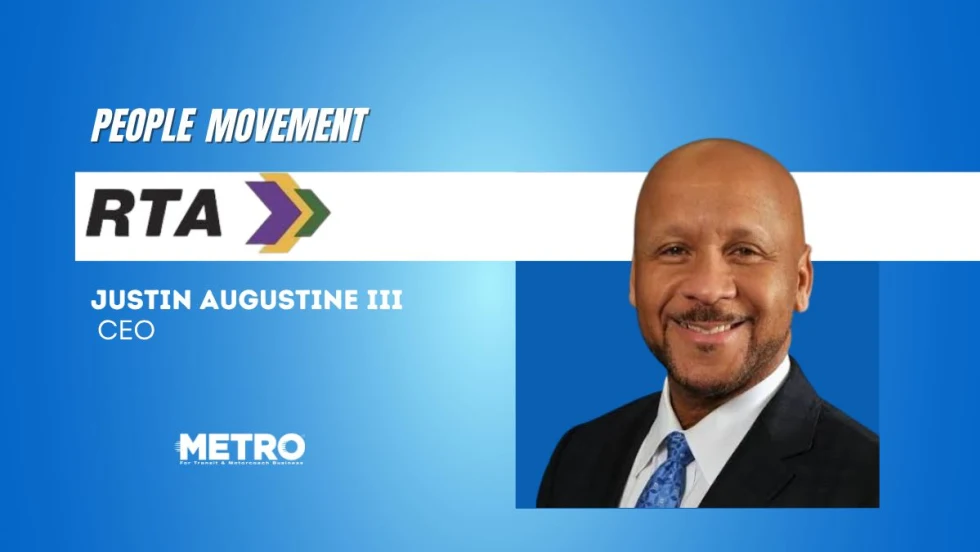
New Orleans RTA Names Augustine III as New CEO
In this edition, we also spotlight recent personnel moves at HDR, PATH, STV, and more, highlighting the people taking on new roles across the transportation industry.
Read More →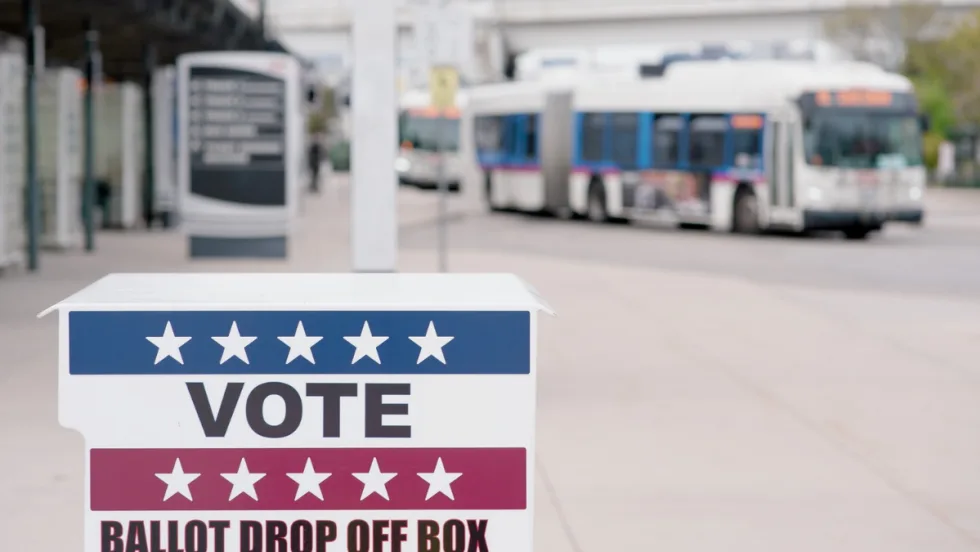
How Transit Agencies Are Using Free Rides to Improve Voting Access
Transit agencies are using fare-free service, trip-planning tools, and targeted rides to improve voting access. See what other agencies can learn from these efforts.
Read More →
Caltrain’s Electrification Drives a New Era of Ridership Growth
The railroad’s shift to electric service has brought more frequent trains, stronger customer satisfaction, and increased ridership, earning it APTA’s Outstanding Public Transportation System award.
Read More →
Chicago, Charlotte Transit Agencies Expand Rider Support Programs
CTA launched crisis intervention teams as CATS prepares to deploy fare ambassadors, expanding customer assistance and security efforts across both systems.
Read More →
New York MTA Launches Historic $1.9B Signal, Track Modernization Project
Funded in part by congestion pricing revenue, the project will replace nearly century-old signals along the A and C lines in Brooklyn and Queens.
Read More →
Brian Dickson on Building Stronger, More Resilient Transportation Organizations
Bus Business Consultants Founder Brian Dickson discusses the leadership principles, operational discipline, and strategic planning that separate transportation companies positioned for long-term success from those stuck in survival mode.
Read More →
LA Metro Breaks Ground on Vermont BRT Project
The 12.4-mile corridor is projected to serve 66,200 daily riders, reduce travel times by up to 24%, and create the nation's busiest bus rapid transit corridor.
Read More →