



TransLink, CUTRIC launch New Flyer battery-electric buses for pilot
The pilot is a part of the agency's goal of operating a fleet with 100% renewable energy by 2050.

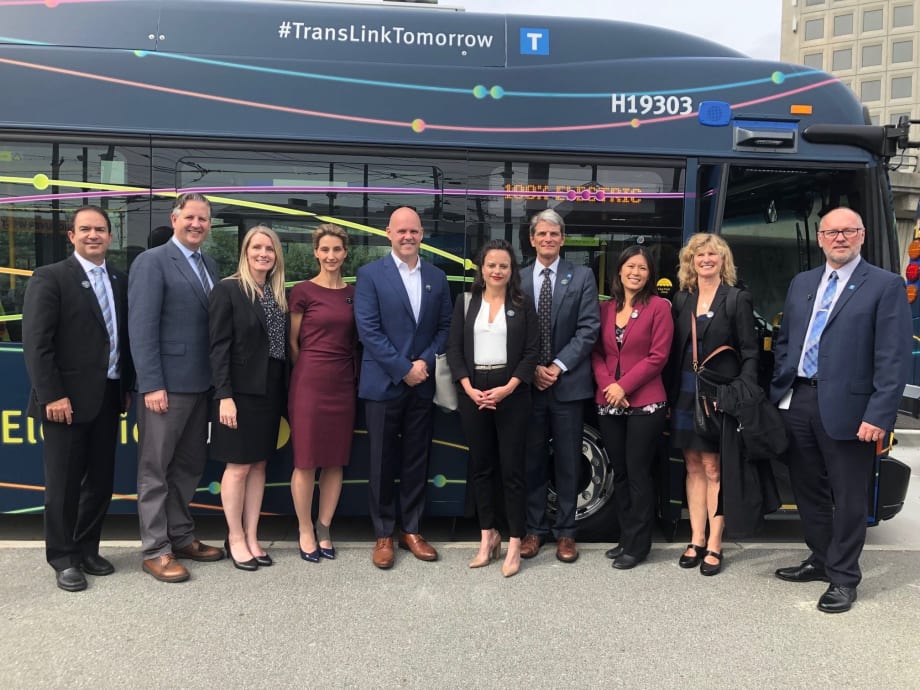
The launch of the battery-electric buses was celebrated in Vancouver, with representatives from TransLink, CUTRIC, New Flyer, and all levels of government in attendance.
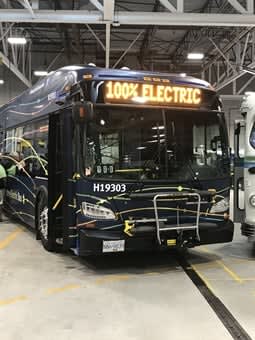
The pilot, which includes chargers from ABB and Siemens Canada, will evaluate bus performance, maintenance, and customer experience.
New Flyer
Canada’s South Coast British Columbia Transportation Authority (TransLink) celebrated the launch of its electric bus pilot operation, featuring two 40-foot, zero-emission, battery-electric New Flyer Xcelsior CHARGE™ heavy-duty transit buses.
The two-and-a-half-year pilot is a part of the TransLink Tomorrow Program to help improve mobility in Metro Vancouver and furthers the agency’s goal of operating a fleet with 100% renewable energy by 2050. The launch was celebrated in Vancouver, with representatives from TransLink, CUTRIC, New Flyer, and all levels of government in attendance.
The pilot, operated in partnership with the Canadian Urban Transit Research and Innovation Consortium (CUTRIC), is part of the world’s first multi-manufacturer interoperability demonstration for fast-charge electric buses and involves on-route high-powered charging stations integrating with local utility systems. It spans three communities across Canada (Vancouver, Brampton, and York Region) and will test interoperability of electric transit vehicles using a new standardized high-powered overhead charging system.
New Flyer first delivered buses to TransLink in 1991, and today, New Flyer together with NFI subsidiaries MCI, ARBOC, Alexander Dennis, and NFI Parts, support TransLink with multiple bus propulsions and models, including transit buses, low-floor cutaway buses, and double deck buses.
The launch of the battery-electric buses was celebrated in Vancouver, with representatives from TransLink, CUTRIC, New Flyer, and all levels of government in attendance.
The launch follows New Flyer’s September 2018 announcement of TransLink’s purchase of two 40-foot, zero-emission, battery-electric Xcelsior CHARGE™ heavy-duty transit buses as part of the CUTRIC Trial. In July 2019, New Flyer also announced it would supply six Xcelsior CHARGE™ buses to Brampton Transit, as a direct result of CUTRIC and Brampton Transit jointly securing $11.15 million in federal funding from Natural Resources Canada to support the adoption of zero-emission transit buses. The purchase followed an April 2018 commitment to partnering with CUTRIC on the trial by Brampton Transit and York Region Transit.
The pilot, which includes chargers from ABB and Siemens Canada, will evaluate bus performance, maintenance, and customer experience. The pilot, along with the future acquisition of six more battery-electric buses, is supported by funding from the Government of Canada and BC Hydro.
TransLink is Metro Vancouver’s regional transportation authority, connecting the region to enhance livability by providing a sustainable transit and transportation network for over 247 million trips per year. Currently, more than half of TransLink’s fleet operates with clean technology. In July 2019, TransLink was awarded the American Public Transportation Association’s Outstanding Public Transportation System Achievement Award.
More Zero Emissions
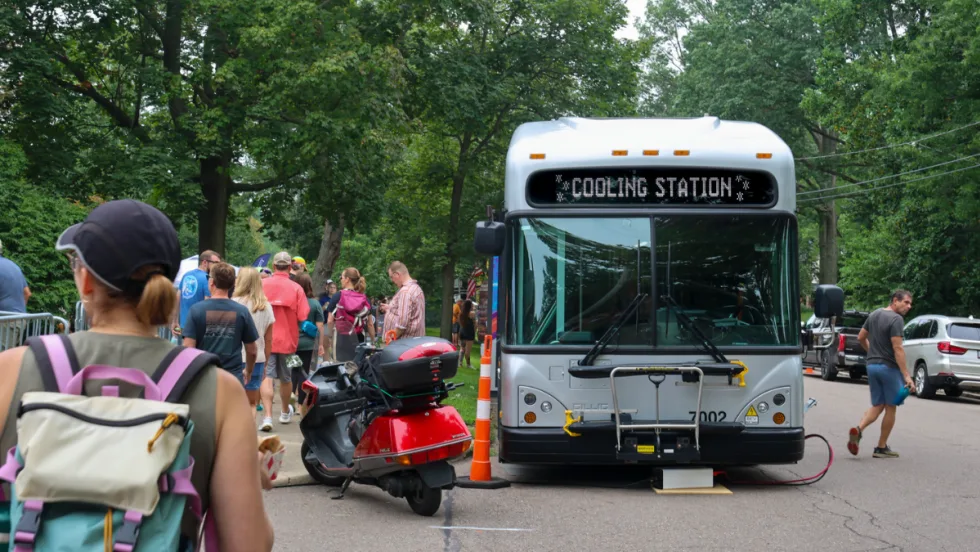
Ohio’s METRO RTA Turns Electric Buses into Mobile Power Sources at PorchROKR
See how three Gillig battery-electric buses powered festival stages while the agency’s new Park & Ride service carried approximately 1,000 attendees, demonstrating another potential use for transit agencies’ electric fleets.
Read More →
CALSTART and Forth Combine to Form Catalyst Mobility
The new name represents a renewed vision for the nonprofit focused on advancing clean, equitable, and affordable transportation solutions that move people and goods.
Read More →
Building a Flexible Path to Transit Electrification
John Hroncich discusses BAE Systems’ modular and scalable approach, lessons learned from decades of real-world operations, and how agencies can identify electrification strategies that fit their fleets.
Read More →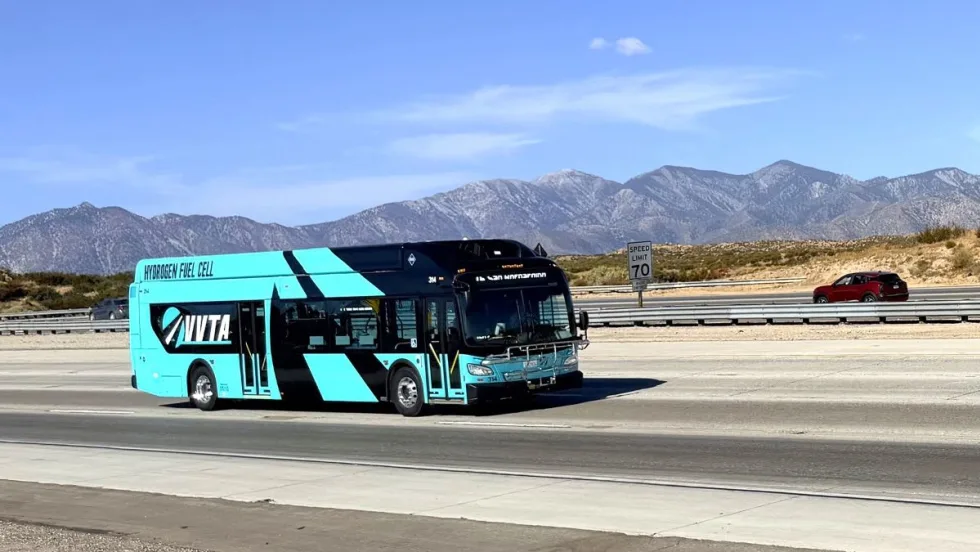
California's VVTA Begins Phased Rollout of Hydrogen Fuel Cell Buses
The agency is introducing 13 zero-emission buses into revenue service while evaluating performance across its urban, rural, and long-distance routes.
Read More →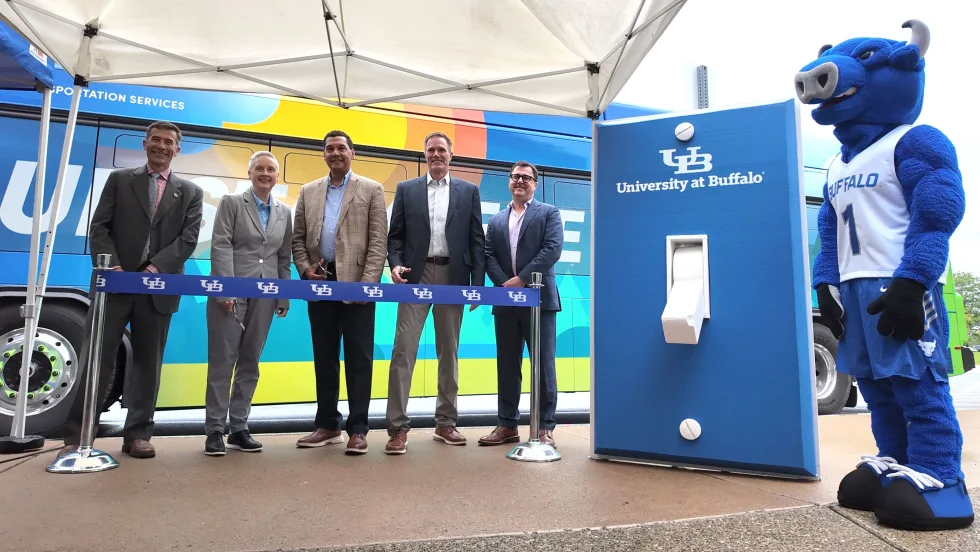
Inside Look: University at Buffalo Puts First 8 Electric Buses Into Stampede Service
UB, transportation solutions provider WeDriveU, and fleet electrification specialist Zenobē marked the deployment in the presence of students, university administrators, and local officials.
Read More →
Biz Briefs: OCTA Taps Clean Energy for Hydrogen Station, Stadler to Supply Via Rail Vehicles, and More
From manufacturers and suppliers to transit agencies and motorcoach operators, these updates offer a snapshot of the projects, partnerships and business moves driving the industry forward.
Read More →
AC Transit’s Cecil Blandon on Building the Next Generation of Transit Maintenance Leaders
The agency’s maintenance chief discusses leadership, workforce development, zero-emission technology, and preparing technicians for the future of public transportation.
Read More →
CTDOT Taps STV for Electric Bus Facility Design
The firm will work with CTDOT and RVT to define the facility layout, operational requirements, and long-term flexibility for RVT’s growing electric fleet.
Read More →
Chicago’s Pace Deploys 24 Hybrid-Electric Buses in Will County
The new buses reduce emissions and fuel consumption while advancing the agency's long-term goal of transitioning to a fully zero-emission fleet.
Read More →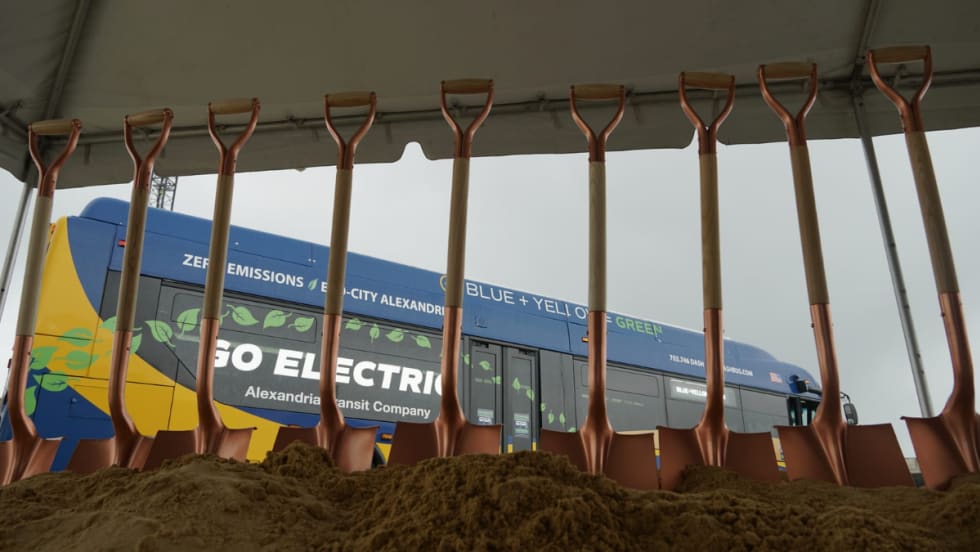
DASH Breaks Ground on First On-Route Electric Bus Chargers in D.C. Region
The fast-charging infrastructure will help extend electric bus range, improve fleet utilization, and support DASH's goal of transitioning to a fully zero-emission fleet.
Read More →