



U.S. DOT Announces $25M in Grants to Help Transit Agencies
The grant awards will help provide Americans in communities across the country with better transit service.

Grants are provided through FTA’s Route Planning Restoration Program and will help transit agencies with planning projects to increase ridership and reduce travel times.
Photo: U.S. DOT
Fifty transit agencies across 24 states will share $25 million to help restore and improve service that has been affected by the COVID-19 pandemic, according to the Federal Transit Administration (FTA).
The grant awards will help provide Americans in communities across the country with better transit service, including expanded routes, Bus Rapid Transit, and on-demand service.
“Throughout the pandemic, our transit agencies and the essential workers who operate them have kept this country moving — ensuring people could continue to get to work, school, medical appointments, and more,” said Pete Buttigieg, U.S. Transportation secretary. “Now, thanks to President Biden’s American Rescue Plan, they will have the resources they need to better serve riders across the country.”
Grants are provided through FTA’s Route Planning Restoration Program and will help transit agencies with planning projects to increase ridership and reduce travel times in response to changes in travel patterns that occurred during the pandemic.
The program also supports local efforts to increase the quality or frequency of transit service for low-income riders and those in disadvantaged communities who may need more options to get to jobs, school, and health care. Eligible recipients included any Urbanized Area Formula Grant recipient that had reduced transit service on or after January 20, 2020, due to COVID-19.
“The Route Restoration Program will greatly assist transit agencies nationwide in eliminating barriers and increasing equity in underserved communities,” said Nuria Fernandez, FTA administrator. “COVID-19 drastically altered how transit systems operate, and these funds will provide an opportunity for them to take a fresh look at their systems and routes, to ensure that everyone has access to transportation.”
Examples selected to receive Fiscal Year 2021 funding include:
The Southeastern Pennsylvania Transportation Authority (SEPTA), in conjunction with the City of Philadelphia, will receive $500,000 to identify, study, and develop transportation improvements for the North Philadelphia West neighborhood between 18th and 33rd Street, and Lehigh and Girard Avenue, an area of roughly two square miles. This area is served by nine bus routes, with service concentrated on seven primary transit corridors.
The City of Jackson, Mississippi, will receive $1 million to establish the JTRAN New Bus Network Project, to improve public transportation, provide more flexibility, frequency, and coverage to areas of the City of Jackson that are currently under-served. The JTRAN New Bust Network Project will be designed to better link under-served communities to services.
The Southwest Ohio Regional Transit Authority (GoMetro) will receive $780,100 to plan for and develop new Bus Rapid Transit corridors, which will improve service and reliability, in particular for low-income riders and those living in disadvantaged communities.
The City of Fairfield, California, will receive $1 million to examine restructuring its transit service in Fairfield’s Cordelia area from traditional fixed route to on-demand microtransit, which will reduce wait and travel times, increase access to an expanding area and improve overall public transportation usage.
More Management

Metra Draft Plan Outlines Costs, Service Improvements for Regional Rail
The Systemwide Network Plan identifies infrastructure needs and potential investments to expand all-day, bidirectional rail service across the Chicago region.
Read More →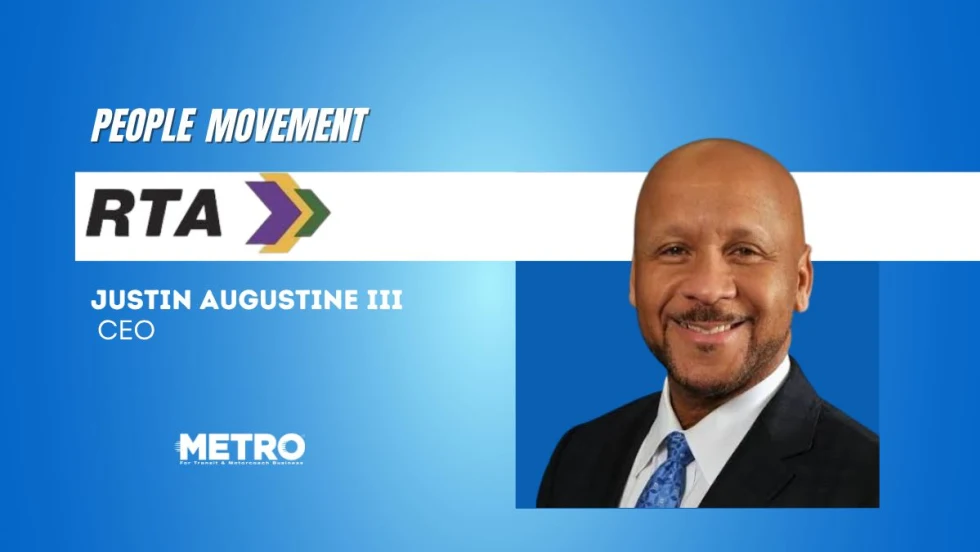
New Orleans RTA Names Augustine III as New CEO
In this edition, we also spotlight recent personnel moves at HDR, PATH, STV, and more, highlighting the people taking on new roles across the transportation industry.
Read More →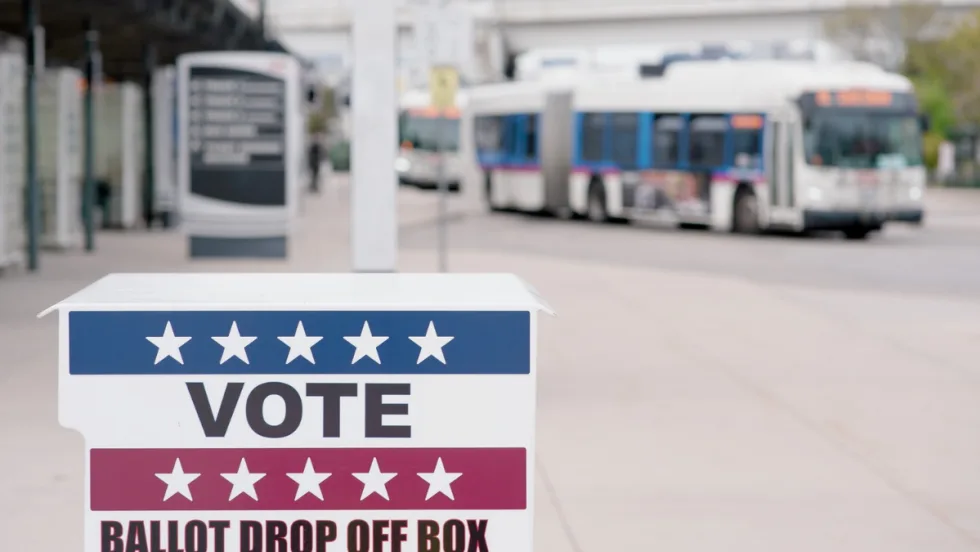
How Transit Agencies Are Using Free Rides to Improve Voting Access
Transit agencies are using fare-free service, trip-planning tools, and targeted rides to improve voting access. See what other agencies can learn from these efforts.
Read More →
Caltrain’s Electrification Drives a New Era of Ridership Growth
The railroad’s shift to electric service has brought more frequent trains, stronger customer satisfaction, and increased ridership, earning it APTA’s Outstanding Public Transportation System award.
Read More →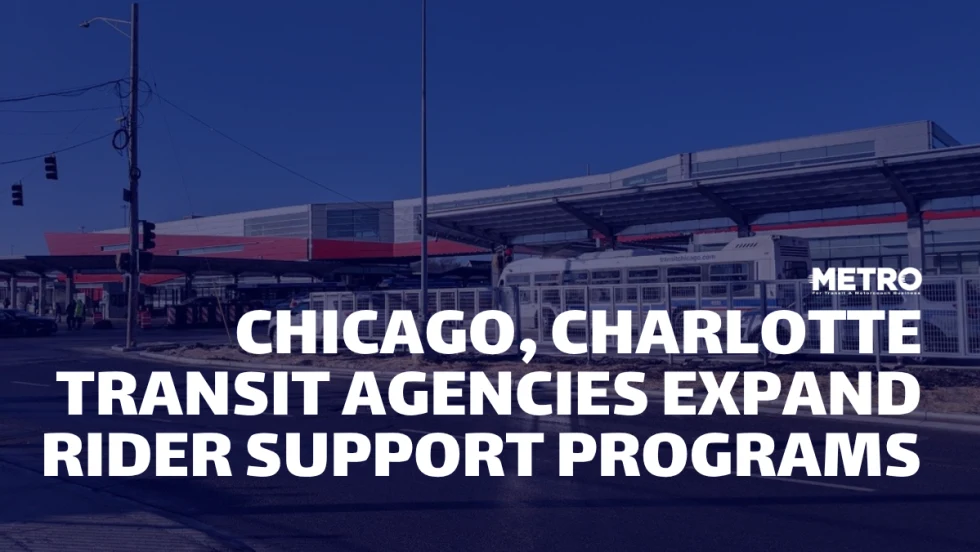
Chicago, Charlotte Transit Agencies Expand Rider Support Programs
CTA launched crisis intervention teams as CATS prepares to deploy fare ambassadors, expanding customer assistance and security efforts across both systems.
Read More →
New York MTA Launches Historic $1.9B Signal, Track Modernization Project
Funded in part by congestion pricing revenue, the project will replace nearly century-old signals along the A and C lines in Brooklyn and Queens.
Read More →
Brian Dickson on Building Stronger, More Resilient Transportation Organizations
Bus Business Consultants Founder Brian Dickson discusses the leadership principles, operational discipline, and strategic planning that separate transportation companies positioned for long-term success from those stuck in survival mode.
Read More →
LA Metro Breaks Ground on Vermont BRT Project
The 12.4-mile corridor is projected to serve 66,200 daily riders, reduce travel times by up to 24%, and create the nation's busiest bus rapid transit corridor.
Read More →
Building Stronger Leaders, More Resilient Transit Teams
Dr. Carol Parker Walsh discusses leadership development, employee retention, workplace culture, and preparing transit’s workforce for AI and automation.
Read More →
Roman Cornell on ABC Companies’ Evolution and the Future of Passenger Transportation
The company’s CEO discusses carrying forward a third-generation family legacy, ABC’s continued evolution in passenger transportation, support for increasingly complex fleets, and how technology and continued investment could help operators improve uptime.
Read More →