



U.S. DOT Open Applications for First Round of Funding from Bridge Investment Program
The Bridge Investment Program is a program that focuses on the repair, rehabilitation, or replacement of existing bridges across the U.S.

The Bridge Investment Program provides an additional $12.5 billion in funding to the more than $27 billion provided to states by the Bridge Formula Program announced earlier this year.
Photo: U.S. DOT
The U.S. Department of Transportation’s Federal Highway Administration opened a call for applications through a Notice of Funding Opportunity for the competitive Bridge Investment Program established by the President’s Bipartisan Infrastructure Law.
The program will provide $12.5 billion over five years, with nearly $2.4 billion available in Fiscal Year 2022 to help plan, replace, rehabilitate, protect, and preserve some of the nation’s largest bridges. This competitive grant program comes on top of more than $27 billion in formula bridge funding the U.S. Department of Transportation announced earlier this year. The investment will help ensure that some of the nation’s bridges remain operational, support local economies, strengthen our supply chains, improve safety, and create good-paying jobs across the U.S.
“With resources from President Biden’s Bipartisan Infrastructure Law, we’re thrilled to begin accepting applications for one of the most significant investments in our bridges in decades, fixing everything from America’s most economically significant bridges to smaller bridges that mean everything to a local community,” said Pete Buttigieg, U.S. Transportation secretary. “When these bridges are repaired, the American people will benefit from greater safety, lower shipping costs for consumers and maintenance costs for drivers, faster movement of goods across our supply chains, fuel savings, and precious time being returned to their day.”
The Bridge Investment Program is a program that focuses on the repair, rehabilitation, or replacement of existing bridges across the U.S. to reduce the overall number of those bridges either in poor condition, or in fair condition at risk of declining into poor condition. It also expands applicant eligibilities to create opportunity for all levels of government to be direct recipients of program funds. In addition to states and federal lands management agencies, metropolitan planning organizations and local and tribal governments can also apply directly to FHWA, making it easier to advance bridge projects at the local level.
The Bridge Investment Program provides an additional $12.5 billion in funding to the more than $27 billion provided to states by the Bridge Formula Program announced earlier this year.
“These funds will make a significant contribution to improving the condition of our nation’s aging bridges, both large, signature bridge projects that are important for our national economy as well as smaller structures that provide benefits at the regional and local levels and are critical for communities across the country,” said Stephanie Pollack, deputy federal highway administrator. “FHWA has designed this program to meet the needs of communities and bridges of all sizes, including those that are still in the planning stage.”
The Bridge Investment Program funding:
Allows multi-year grant agreements to fund large projects by making it possible to take a project through pre-construction activities and into construction.
Offers grants that help fund the planning process, including planning, feasibility analysis and revenue forecasting associated with the development of a project that would subsequently be eligible to apply for the Bridge Investment Program.
Offers two types of construction grants, covering “large” projects over $100 million and “bridge projects” at up to $100 million.
The FHWA plans to conduct community outreach and public engagement throughout the application process that will include a Zoom Webinar.
More Management

Bringing Austin’s First Light Rail System to Life
Austin Transit Partnership CEO Greg Canally discusses the city's nearly 10-mile light rail project, its collaborative approach to project delivery, the importance of community engagement, and the milestones ahead as construction approaches in 2027.
Read More →
ETA CEO John Maglio on Transit Technology, Innovation, and Building Agency Trust
ETA founder and CEO John Maglio explores the evolution of transit technology, the importance of reliable systems, and how stronger partnerships can help agencies improve operations and the passenger experience.
Read More →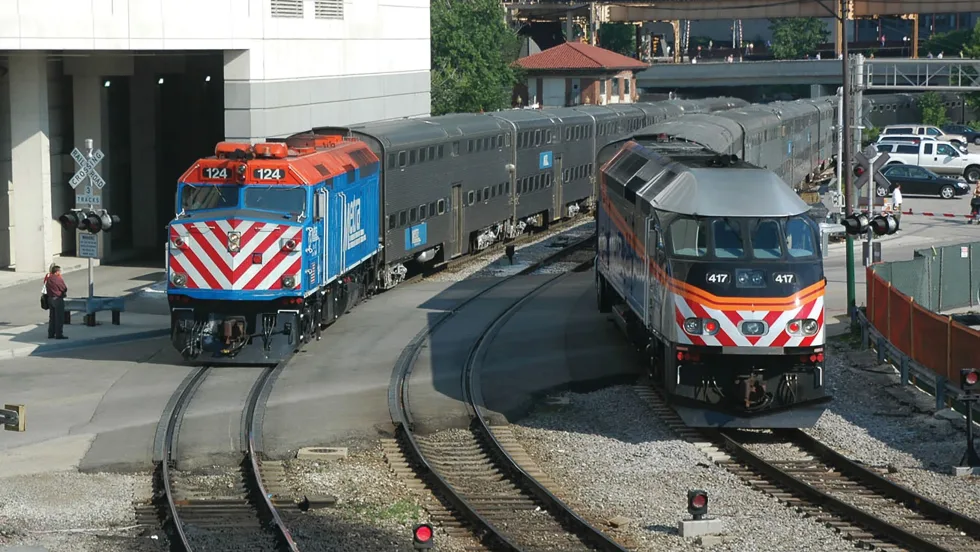
Metra Draft Plan Outlines Costs, Service Improvements for Regional Rail
The Systemwide Network Plan identifies infrastructure needs and potential investments to expand all-day, bidirectional rail service across the Chicago region.
Read More →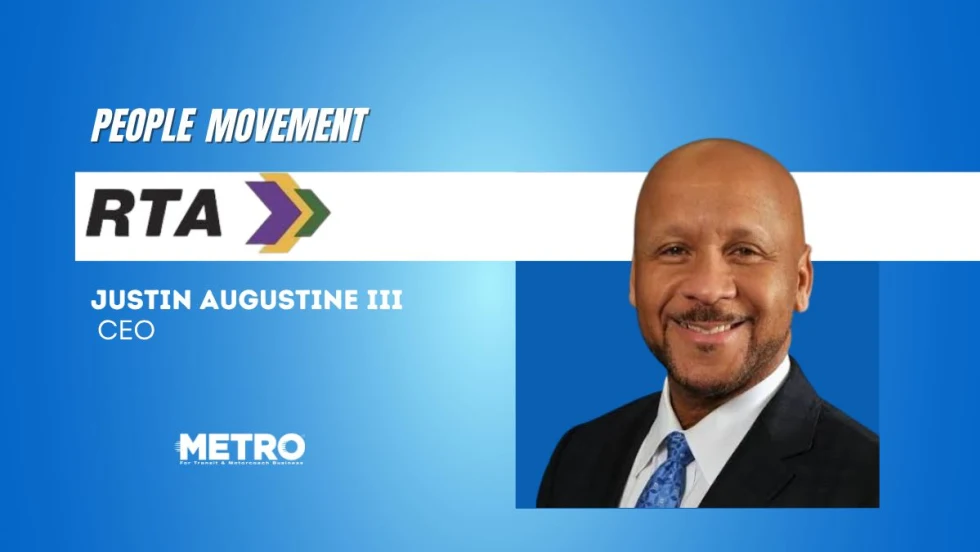
New Orleans RTA Names Augustine III as New CEO
In this edition, we also spotlight recent personnel moves at HDR, PATH, STV, and more, highlighting the people taking on new roles across the transportation industry.
Read More →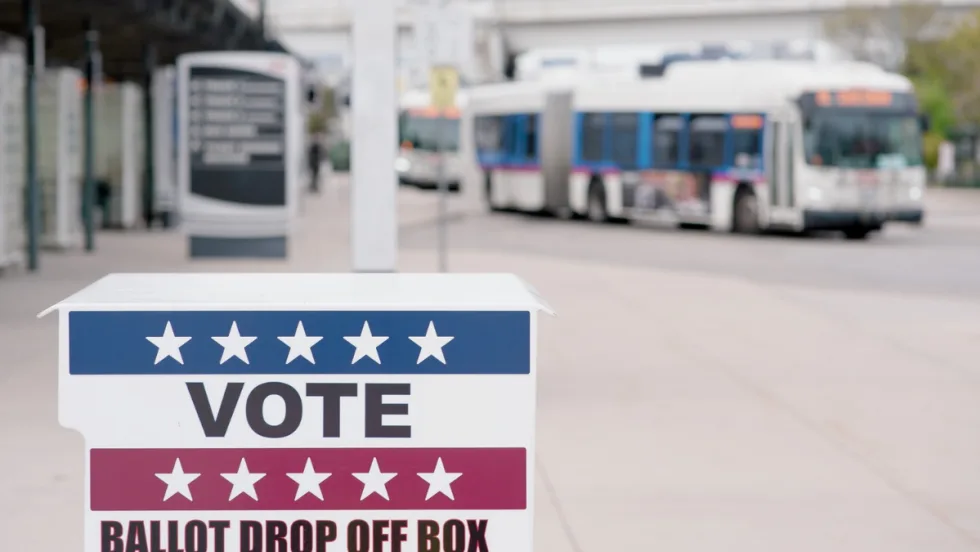
How Transit Agencies Are Using Free Rides to Improve Voting Access
Transit agencies are using fare-free service, trip-planning tools, and targeted rides to improve voting access. See what other agencies can learn from these efforts.
Read More →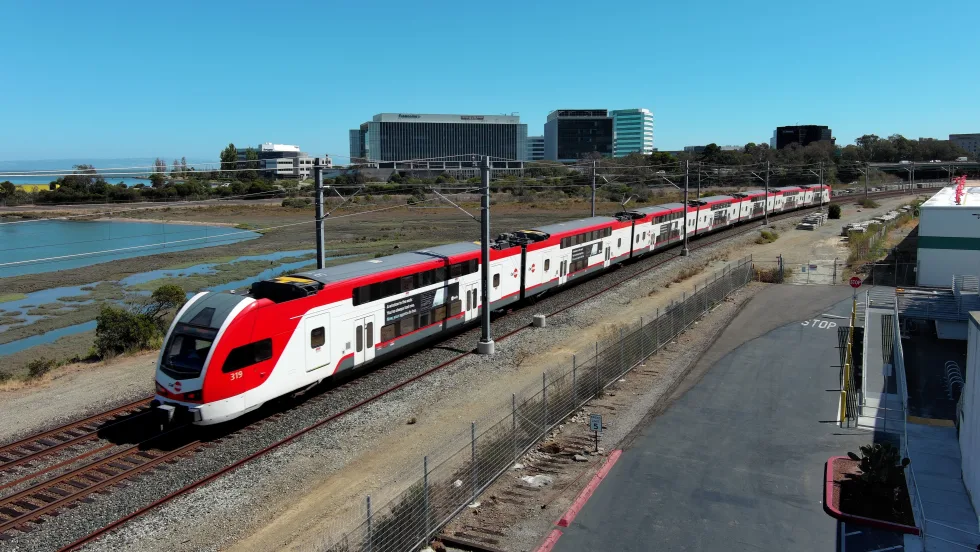
Caltrain’s Electrification Drives a New Era of Ridership Growth
The railroad’s shift to electric service has brought more frequent trains, stronger customer satisfaction, and increased ridership, earning it APTA’s Outstanding Public Transportation System award.
Read More →
Chicago, Charlotte Transit Agencies Expand Rider Support Programs
CTA launched crisis intervention teams as CATS prepares to deploy fare ambassadors, expanding customer assistance and security efforts across both systems.
Read More →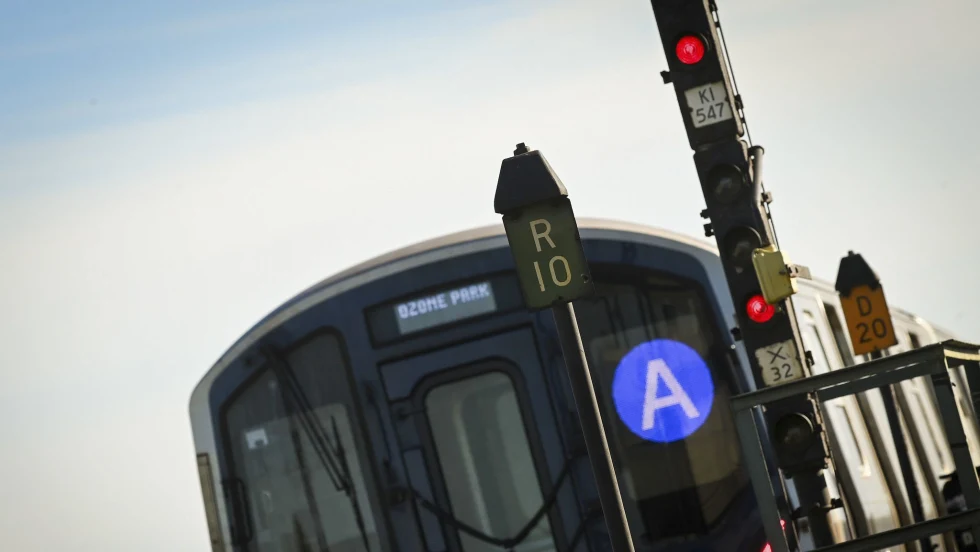
New York MTA Launches Historic $1.9B Signal, Track Modernization Project
Funded in part by congestion pricing revenue, the project will replace nearly century-old signals along the A and C lines in Brooklyn and Queens.
Read More →
Brian Dickson on Building Stronger, More Resilient Transportation Organizations
Bus Business Consultants Founder Brian Dickson discusses the leadership principles, operational discipline, and strategic planning that separate transportation companies positioned for long-term success from those stuck in survival mode.
Read More →
LA Metro Breaks Ground on Vermont BRT Project
The 12.4-mile corridor is projected to serve 66,200 daily riders, reduce travel times by up to 24%, and create the nation's busiest bus rapid transit corridor.
Read More →