



Updated: Long Island Rail negotiations collapse, workers prepare to strike
Union negotiators said Monday that talks had collapsed amid a dispute over whether future employees should be required to contribute to their health insurance and pensions.

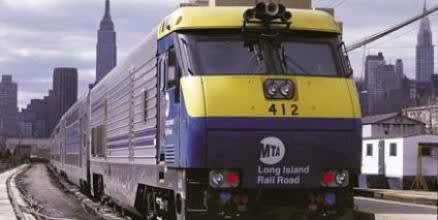
Courtesy MTA
Courtesy MTA
(Updated) MINEOLA, N.Y. — Negotiators for the New York transit authority and the unions representing Long Island Rail Road workers arrived at a Manhattan law office Wednesday to resume talks aimed at avoiding a weekend strike that would strand the commuter rail system's nearly 300,000 daily riders, reported the Times Colonist.
MINEOLA, N.Y. — Pessimism grew about the prospects of a strike by Long Island Rail Road workers this weekend after union negotiators said Monday that talks had collapsed amid a dispute over whether future employees should be required to contribute to their health insurance and pensions, the Portland Press Herald reported.
RELATED: Possible strike would shut down U.S.' largest commuter rail system
A walkout, planned for next Sunday, July 20, would affect 300,000 daily riders who travel in and out of New York City from Long Island.
Metropolitan Transportation Authority Chairman/CEO Thomas Prendergast said he was open to further negotiations aimed at preventing a strike, but said unions were unwilling to yield on the issue of making future LIRR employees contribute to their health plans and pensions, according to the report.
For the full story, click here.
MTA Chairman/CEO Prendergast's Open Letter to LIRR Customers
Long Island Rail Road union leaders have threatened to strike as early as Sunday, July 20th.
The MTA remains committed to settling this matter quickly, but any new agreement must be affordable not just today, but also into the future, without jeopardizing the investments necessary to maintain the service we provide our riders or placing additional pressure on future fares.
In the most recent MTA offer, a current LIRR employee would receive:
• A 17% wage increase over seven years
• An average $22,000 retroactive payment
• Healthcare contributions of just 2% of base salary
• No changes to pension contributions
• No changes to work rules
To afford this offer, the MTA asks that future LIRR employees:
• Contribute 4% to healthcare
• Contribute to their pensions throughout their career as an LIRR employee
• Work more years to reach top pay
Under this plan, both existing and new LIRR employees will remain the highest paid commuter railroad workers in the country, and with the best pension in the industry.
A strike would have a devastating impact. It’s time to have productive negotiations to resolve our differences and return to what we all do best together — serving our LIRR customers.
Sincerely,
Thomas F. Prendergast
Chairman and Chief Executive Officer
More Management

RTD Launches NextRide App to Consolidate Trip Planning, Fares, Security Reporting
The app expands on RTD’s existing NextRide web application and allows customers to view real-time vehicle locations and service alerts, purchase and store digital fares, and access customer support.
Read More →
The Business Voice Behind Public Transportation
As chair of APTA’s Business Members Board of Governors, Ray Melleady explains how more than 850 business members are partnering with transit agencies to advance funding, innovation, and industry-wide collaboration.
Read More →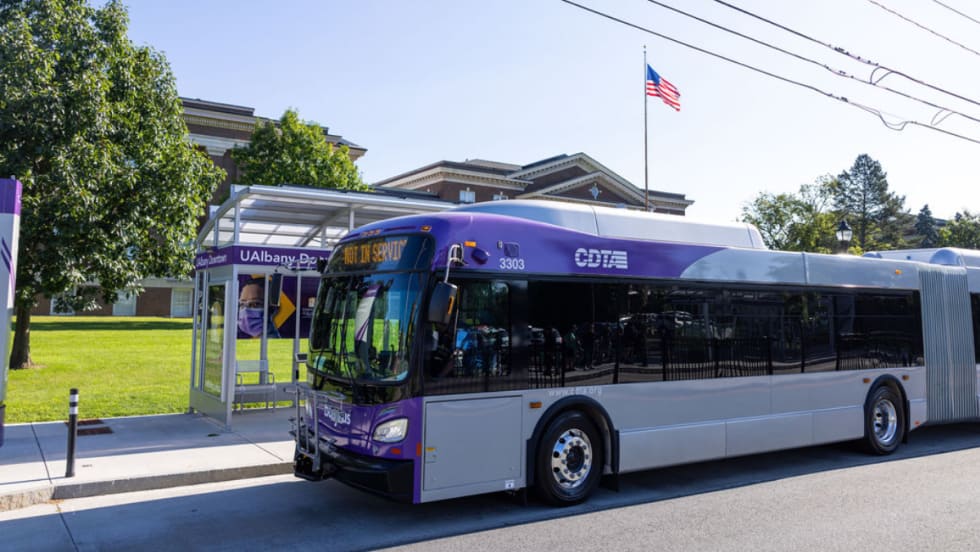
New York’s CDTA Service Rebalancing Boosts Productivity, On-Time Performance
Despite a slight dip in ridership, the agency’s FY2026 results show its service rebalancing strategy is helping the agency carry more riders per service hour while improving reliability.
Read More →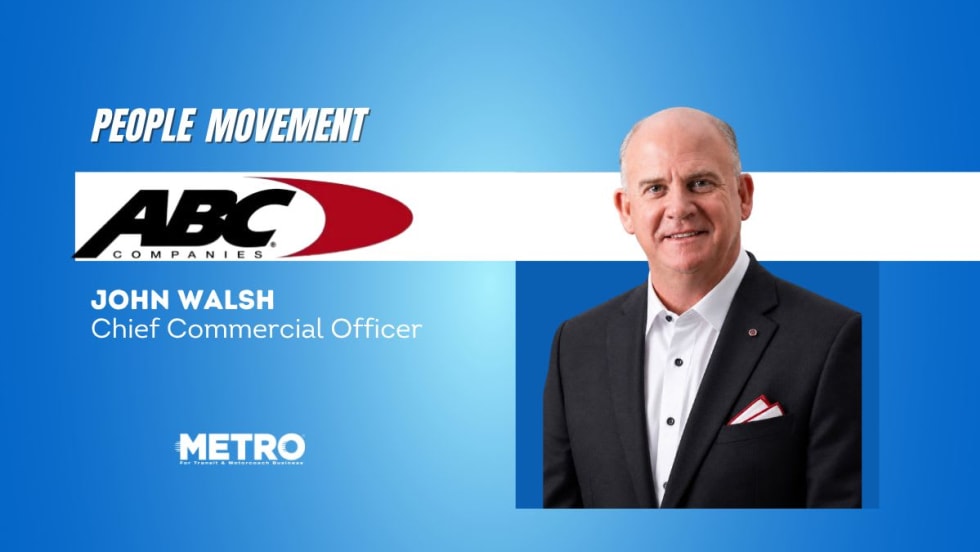
People Movement: ABC Names John Walsh as Chief Commercial Officer
In this edition, METRO also covers recent appointments and announcements at the DART, STV, and more, showcasing the individuals helping to shape the future of transportation.
Read More →
From Surviving to Thriving: Building Stronger Transportation Organizations
Bus Business Consultants founder Brian Dickson shares lessons on leadership, organizational health, and creating options for long-term success in a changing transportation industry.
Read More →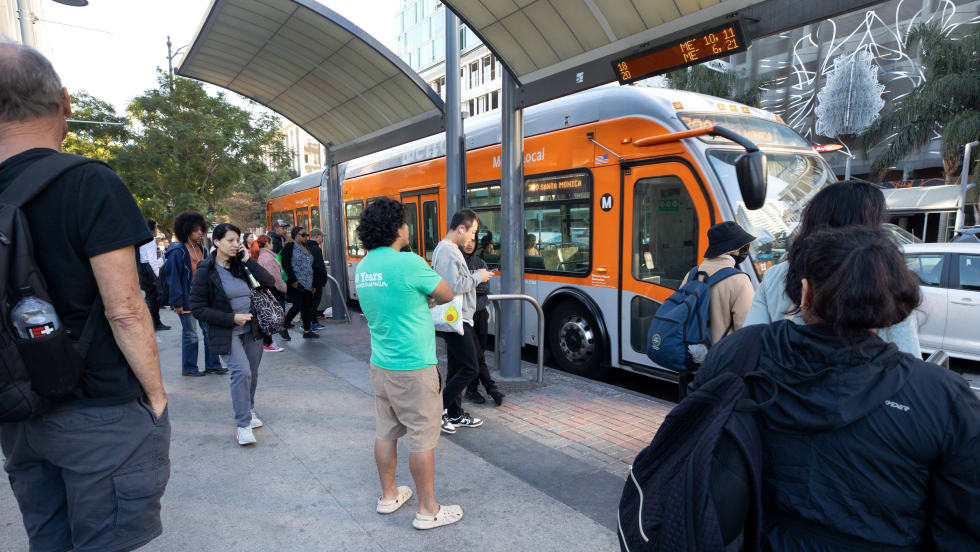
LA Metro Ridership Continues Growth as Rail Gains Accelerate
New rail connections and major events help drive continued ridership gains, with Metro recording its eighth consecutive month of year-over-year rail growth.
Read More →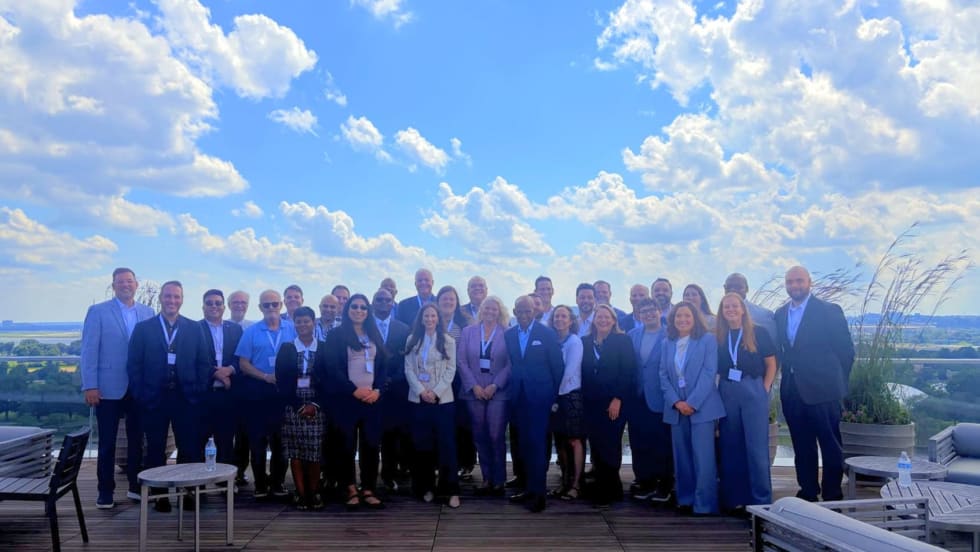
TransDASH Summit Focuses on Measuring What Matters in Transit
Transit agencies unveil a national performance platform designed to benchmark customer experience, safety, community value, and other outcomes.
Read More →
Jacksonville’s NAVI Project Charts a New Course for Autonomous Public Transportation
Through its NAVI program, JTA is showing how autonomous vehicles, intelligent infrastructure, and coordinated operations can work together to deliver everyday public transportation.
Read More →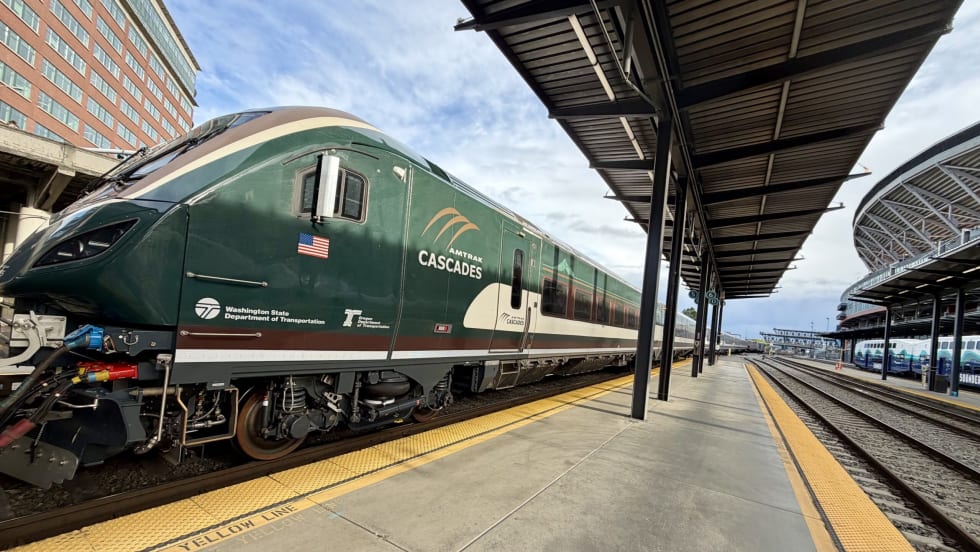
FRA Announces $5.3B in Rail Investments, Including $2B for Amtrak
Funding will support grade-crossing improvements, infrastructure upgrades, and new Amtrak equipment in 23 states.
Read More →
Finding the ‘Happy Medium’: Optimizing Maintenance Without Sacrificing Reliability
The key to maintenance optimization isn’t doing less work—it’s doing the right work at the right time on the right assets.
Read More →