
Metro Magazine

 MENU
MENU SEARCHMENUSEARCH
Loading data...
Data overwhelmingly shows why workers should opt-out of driving alone to work each day — not just for their own health, but for the improvement of their work performance, too.
Read More →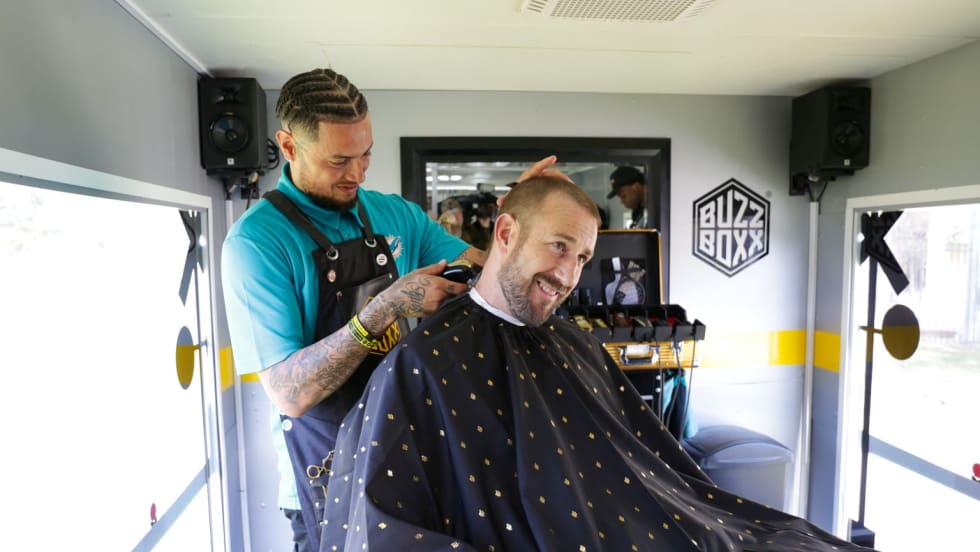



Mobile barbershop is designed to engage with communities that interact along the rail corridor.
Read More →It’s never been easy to stay fit or healthy on the road, but it’s no longer possible to ignore the impact on the health of those behind the wheel.
Read More →Findings include increased risk for heart disease, stroke, and diabetes for drivers.
Read More →Under the order, the advertisements will be banned from bus shelters, newsstands, phone booths, and Wi-Fi LinkNYC kiosks.
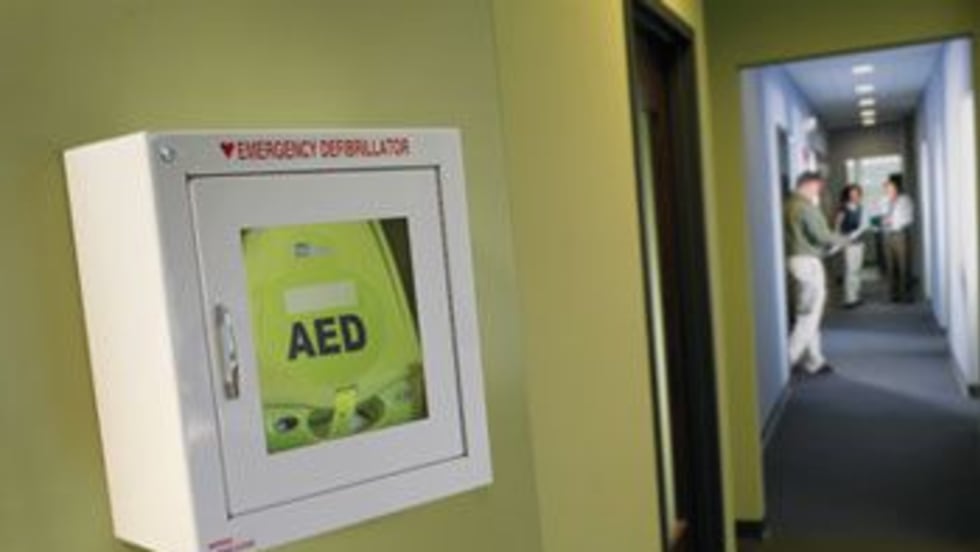
Read More →Sudden cardiac arrest does not discriminate, it can strike anyone regardless of age or gender and at any time or place.
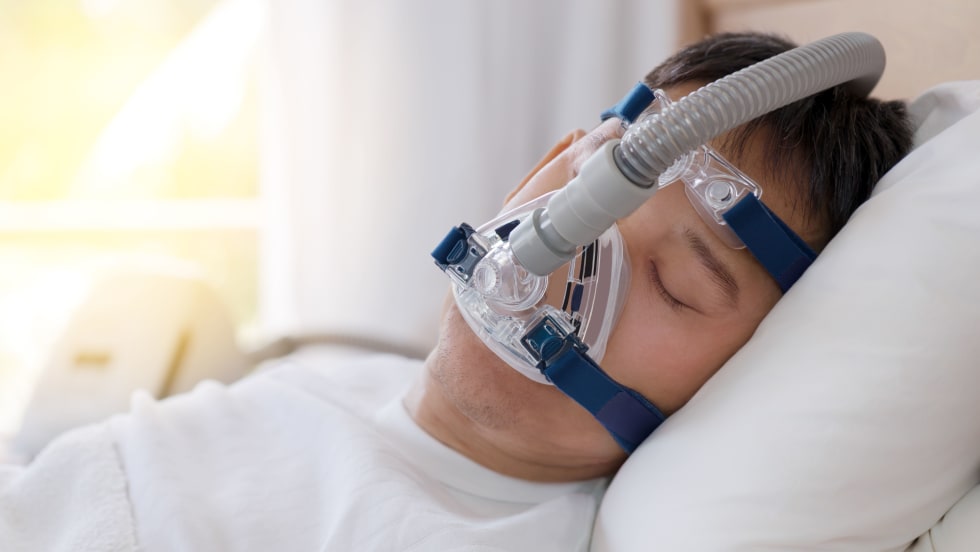
Read More →Sleep apnea is a common disorder affecting nearly 12% of the U.S. population, in which airway blockages cause shortened breaths or pauses in breathing while one sleeps.
Read More →A recent CDC analysis found that the jobs with the highest rates of short sleep duration were communications equipment operators (58.2%), other transportation workers (54.0%) and rail transportation workers (52.7%).
Read More →Sleep loss leading to human fatigue is a serious issue affecting the safety of the traveling public in all modes of transportation. Simply defined, sleep loss is an inability to receive a proper amount and quality of sleep on a regular basis.
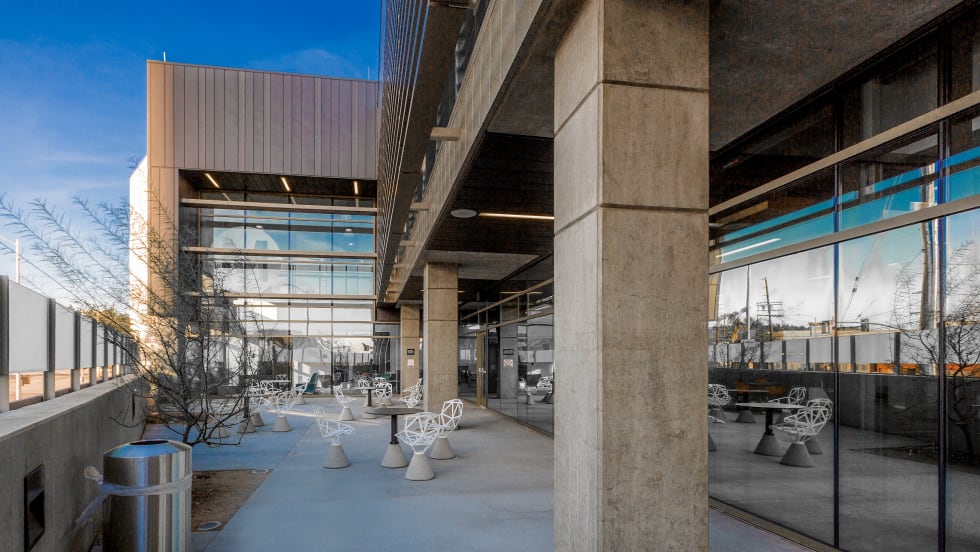
Read More →Everyone needs to take a mental and physical break at some point in the workday, whether they’ve been concentrating on a computer screen, the road, or the underside of a bus, truck or train car. The tricky part for transit agencies is that each of these activities takes place in different surroundings, lighting conditions, room temperature and noise levels. With that in mind, consider the following factors in your facility design.
Read More →