
Metro Magazine

 MENU
MENU SEARCHMENUSEARCH
Loading data...
The latest Notice of Funding Opportunity provides transit agencies with funding for bus facilities, fleet modernization, and low- and no-emission vehicles, with applications due September 21.
Read More →



The legislation pairs rail expansion with housing, safety, and economic development goals designed to reshape how regions grow around transit.
Read More →The Pilot Program for TOD Planning helps support FTA’s mission of improving America’s communities through public transportation by providing funding to local communities to integrate land use and transportation planning with a new fixed-guideway or core-capacity transit capital investment.
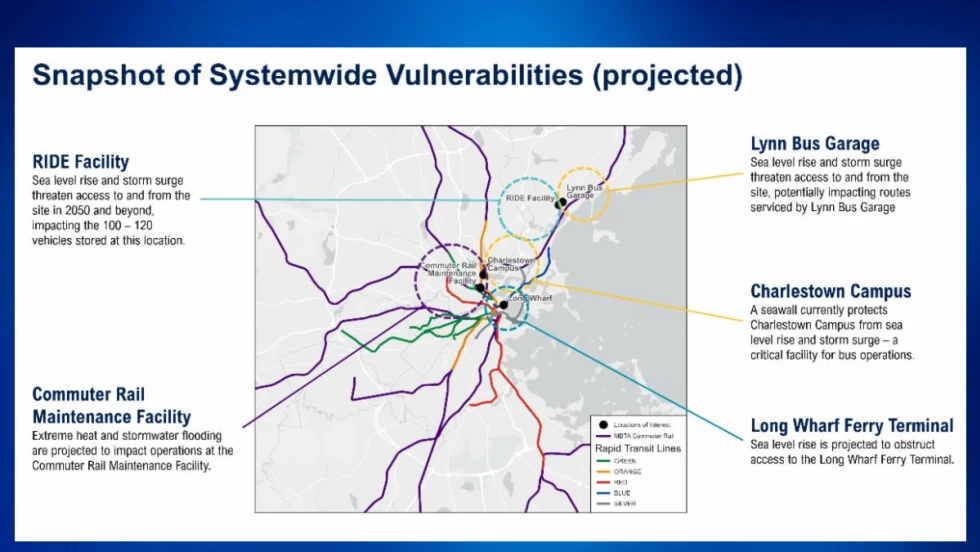
Read More →The plan outlines strategies to protect transit infrastructure from extreme weather, prioritize critical investments, and improve system reliability as climate risks intensify.
Read More →The plan outlines funding for transit operations, capital projects, and freight and passenger rail initiatives, as state officials seek public input on priorities shaping mobility and infrastructure across the Commonwealth.
Read More →In this conversation, TBC’s Executive Director Ed Redfern, President Corey Aldridge, and Washington Representative Joel Rubin outline the coalition’s key policy priorities, the challenges facing transit agencies, and how industry stakeholders can work together to strengthen the voice of bus transit at the federal level.
Read More →In this conversation, TBC’s Executive Director Ed Redfern, President Corey Aldridge, and Washington Representative Joel Rubin outline the coalition’s key policy priorities, the challenges facing transit agencies, and how industry stakeholders can work together to strengthen the voice of bus transit at the federal level.
Read More →The funding will ensure communities can expand transit options to meet increased demand for services around stadiums.
Read More →For many years, the narrative surrounding public transit improvements has been heavily weighted toward environmental gains and carbon reduction. While these are undeniably crucial long-term benefits, the immediate focus of this new funding environment is firmly on demonstrable system efficiencies and a clear return on investment.
Read More →Why it's time for public transit agencies to shift focus from the size of their budgets to how effectively those funds drive service on the street.
Read More →