METRO Magazine Logo
MenuMENU
SearchSEARCH

TransLink uses sustained growth to bolster system

The agency was awarded the 2019 Outstanding Public Transportation System Achievement Award by APTA for the category representing the largest transportation systems.

by METRO Staff
October 15, 2019
TransLink uses sustained growth to bolster system

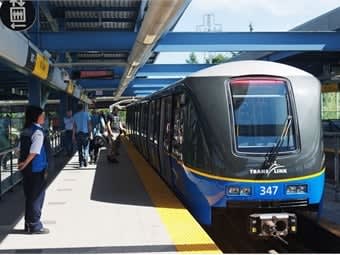
For the last three years, Vancouver’s TransLink has the led the U.S. and Canada in ridership growth.

TransLink

1 min to read


For the last three years, Vancouver’s TransLink has the led the U.S. and Canada in ridership growth.

TransLink

New Westminster, B.C.-based TransLink has been awarded the 2019 Outstanding Public Transportation System Achievement Award by APTA for the category representing the largest transportation systems in Canada and the U.S.: those providing 20 million or more annual passenger trips.

APTA considered performance between 2016 and 2018, a period which saw TransLink experience ridership growth of 18% while achieving record-highs in on-time performance.

Ad Loading...

Individual Awards

Local Distinguished Service Award - Mayor Madeline Rogero, Knoxville, Tenn.

State Distinguished Service Award: State Sen. Jim Beall, Calif. 15th District

Outstanding Public Transportation Board Member Award: Carol Herrera, Vice Chair, Foothill Transit, West Covina, Calif.

Hall of Fame: Tony Kouneski, KL2 Connects; Paul A. Toliver, New Age Industries LLC; Michael S. Townes, Retired; and Richard A. White, SYSTRA


“This award comes down to the hard work and dedication of each of our 7,800 employees, the heart and soul of the organization,” says TransLink CEO Kevin Desmond. “Whether front-line or in the office, everyone played a valuable role. TransLink’s ridership has reached unprecedented levels and despite our enormous growth, we’ve also managed to achieve an all-time high for customer satisfaction.”

Additionally, TransLink recently revealed details of its new limited-stop bus service for five regional routes, with the first ones launching in January 2020. Once in service, the RapidBus routes, as it is called, will have the combined capacity to move 12,000 customers per hour during rush hour. RapidBus routes will be up to 20% faster than local bus service through the usage of bus-only lanes; signal priority; queue jumps at intersections; fewer stops; and all-door boarding. Customer-centric features include, real-time next-bus digital signage; real-time voice-activated information sheltered stops; and larger, articulated hybrid buses.


Subscribe to Our Newsletter

More Management

Austin Light Rail rendering from UT perspective
Rail•by Alex Roman•October 30, 2026

Bringing Austin’s First Light Rail System to Life

Austin Transit Partnership CEO Greg Canally discusses the city's nearly 10-mile light rail project, its collaborative approach to project delivery, the importance of community engagement, and the milestones ahead as construction approaches in 2027.

Read More →
Technology•October 30, 2026

ETA CEO John Maglio on Transit Technology, Innovation, and Building Agency Trust

ETA founder and CEO John Maglio explores the evolution of transit technology, the importance of reliable systems, and how stronger partnerships can help agencies improve operations and the passenger experience.

Read More →
Two Metra locomotives on rail tracks.
Rail•by Alex Roman•October 29, 2026

Metra Draft Plan Outlines Costs, Service Improvements for Regional Rail

The Systemwide Network Plan identifies infrastructure needs and potential investments to expand all-day, bidirectional rail service across the Chicago region.

Read More →
Ad Loading...
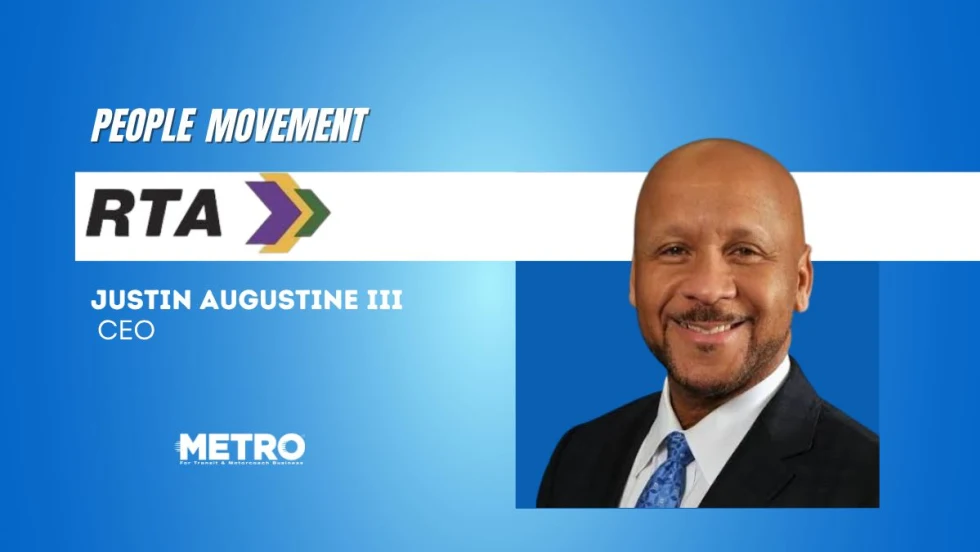
Justin Augustine III, CEO for New Orleans RTA
Management•by Alex Roman•October 29, 2026

New Orleans RTA Names Augustine III as New CEO

In this edition, we also spotlight recent personnel moves at HDR, PATH, STV, and more, highlighting the people taking on new roles across the transportation industry.

Read More →
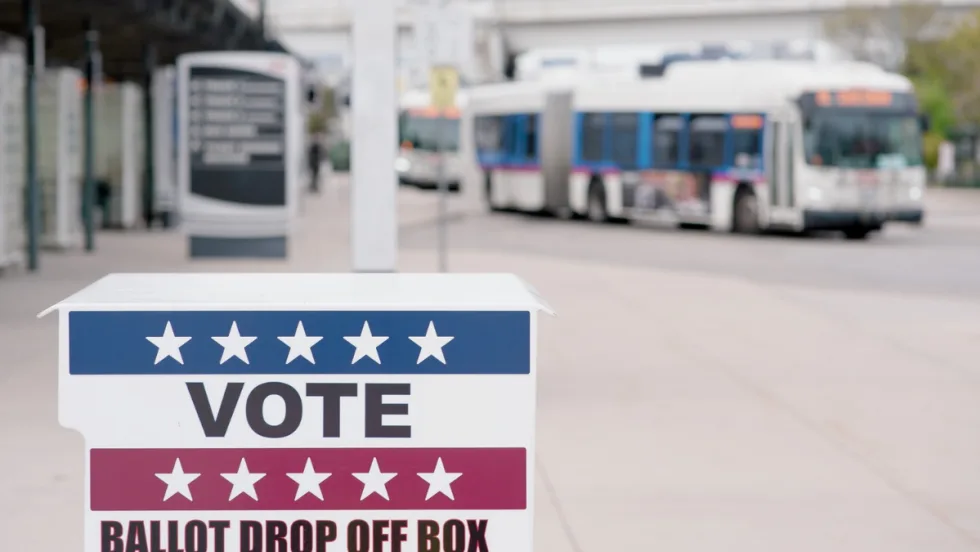
A ballot drop-off box marked “Vote” stands in the foreground at a transit station, with public transit buses visible in the background.
Management•by Elora Haynes•October 28, 2026

How Transit Agencies Are Using Free Rides to Improve Voting Access

Transit agencies are using fare-free service, trip-planning tools, and targeted rides to improve voting access. See what other agencies can learn from these efforts.

Read More →
A Caltrain electric railcar on the tracks
Rail•by Alex Roman•October 27, 2026

Caltrain’s Electrification Drives a New Era of Ridership Growth

The railroad’s shift to electric service has brought more frequent trains, stronger customer satisfaction, and increased ridership, earning it APTA’s Outstanding Public Transportation System award.

Read More →
Ad Loading...
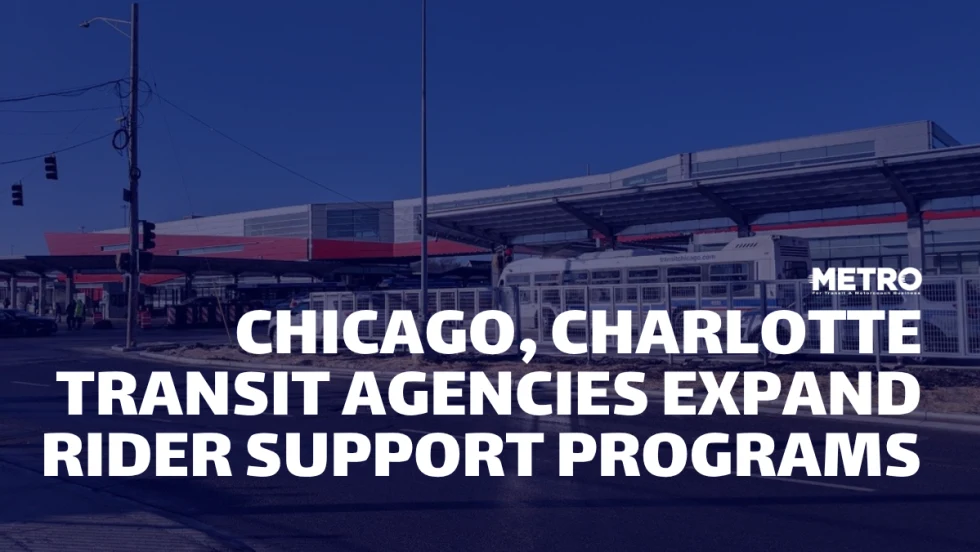
METRO Magazine graphic featuring a Chicago Transit Authority bus at a transit station with the headline “Chicago, Charlotte Transit Agencies Expand Rider Support Programs.”
Management•by Elora Haynes•October 27, 2026

Chicago, Charlotte Transit Agencies Expand Rider Support Programs

CTA launched crisis intervention teams as CATS prepares to deploy fare ambassadors, expanding customer assistance and security efforts across both systems.

Read More →
An A line MTA subway car near the soon to be replaced signaling system.
Rail•by Staff and News Reports•October 23, 2026

New York MTA Launches Historic $1.9B Signal, Track Modernization Project

Funded in part by congestion pricing revenue, the project will replace nearly century-old signals along the A and C lines in Brooklyn and Queens.

Read More →
Turning Transportation Challenges into Opportunities
Management•by Alex Roman•October 22, 2026

Brian Dickson on Building Stronger, More Resilient Transportation Organizations

Bus Business Consultants Founder Brian Dickson discusses the leadership principles, operational discipline, and strategic planning that separate transportation companies positioned for long-term success from those stuck in survival mode.

Read More →
Ad Loading...
Groundbreaking ceremony for LA Metro's Vermont Transit Corridor BRT
Bus•by Staff and News Reports•October 22, 2026

LA Metro Breaks Ground on Vermont BRT Project

The 12.4-mile corridor is projected to serve 66,200 daily riders, reduce travel times by up to 24%, and create the nation's busiest bus rapid transit corridor.

Read More →