




RELATED: MTA selects 4 companies to pilot bus, subway solutions
NY MTA unveils first look of next-gen subway cars
Board approved the $1.4 billion contract award of 535 R211 cars to Kawasaki Rail Car Inc. in 2018.
January 22, 2020
3 min to read

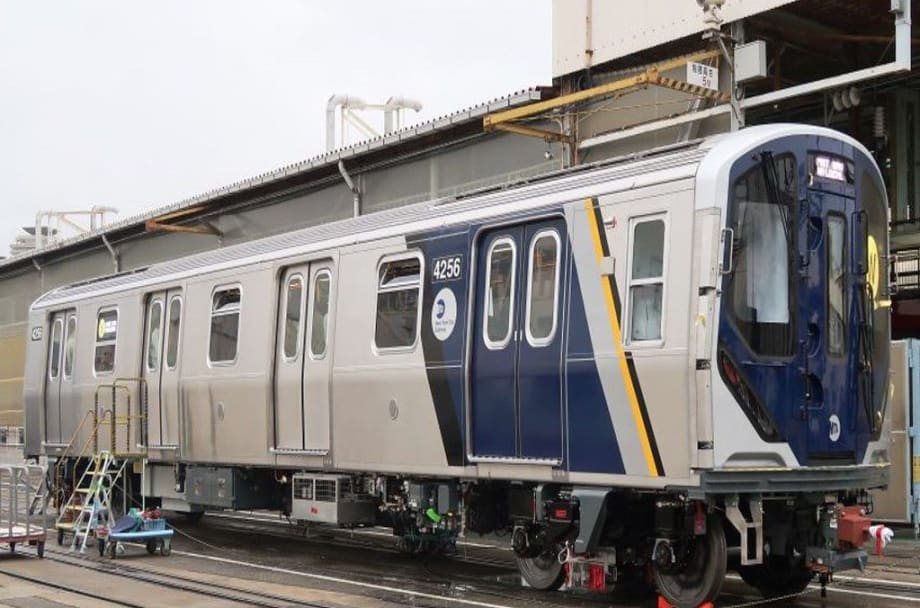
The design of the R211 subway car, built by Kawasaki Rail, is a departure from historical NYC Transit subway car design. MTA
The New York Metropolitan Transportation Authority (MTA) today released the first look at its newest state-of-the-art subway cars in production, the R211 class, which is planned for service on the subway system’s lettered routes and the Staten Island Railway.
The MTA Board approved the $1.4 billion contract award of 535 R211 cars to Kawasaki Rail Car Inc. in 2018 and the delivery of the first test cars is scheduled for later this year.
The design of the R211 subway car is a departure from historical NYC Transit subway car design. Some of the base order’s R211 cars feature an “open gangway” design at the ends of the cars, which allows riders to move freely between cars to reduce crowding and distribute passenger loads more evenly throughout the train. All R211 cars will also include digital displays that will provide real-time, location-specific information about service and stations, new grab rails including double-poles, and brighter and clearer lighting, signage, and safety graphics.

R211 car design elements include:
Open-gangway design: The open-gangway design replaces the door between cars with an accordion-like connector to create longer, open spaces, allowing for greater customer flow, movement, and increasing capacity in the process.
Wider doors: The door width of the new cars will be expanded from the current MTA standard of 50 inches to 58 inches. Wider subway doors can reduce delays by allowing customers to enter and exit more quickly, and have become an international standard. According to computer simulations of customer flow, wider doors can reduce the time a train is stopped in a station during crowded scenarios by as much as 32 percent.

Customer amenities & security: The interior of new cars will also feature new amenities such as full color digital customer information displays, digital advertisements, illuminated door opening alerts and cameras to promote customer safety.
Exterior: The R211 cars will have a new blue front with large windows, LED headlights, and a blue stripe with gold accents along the sides.
Kawasaki is currently in production for 30 pilot R211 cars, including 20 of the open-gangway design, that will begin to be delivered to NYC Transit for testing later this year, which is the first step in the production process for Transit’s base order of the R211 cars. The pilot cars are being built in Kawasaki’s facility in Lincoln, Neb., and the production of the base order will be built in both the Nebraska plant and a Kawasaki facility in Yonkers, N.Y.

This R211 contract was the first NYC Transit contract to stipulate that detailed plans by the proposers for the creation and retention of U.S. jobs. Kawasaki, along with its subcontractors, committed to provide approximately 470 U.S. jobs for the base contract worth an estimate of $125 million.
Once initial testing of the pilot cars has successfully concluded, production on the base order of the R211 cars will begin. Production of the base order is expected to take approximately two years.
"These new cars represent the future of the New York subway and will be the new standard for all new NYC Transit subway cars going forward,” said Frank Jezycki, NYC Transit’s executive VP/COO for the Department of Subways. “We are in constant communications with Kawasaki throughout the production process, which is on schedule and on budget so that our customers will be able to benefit very soon from the latest car technology available.”
More Rail

Biz Briefs: STV teams with Amtrak, Motorcoach Operators Boost Fleet and Land Contracts, and More
From manufacturers and suppliers to transit agencies and motorcoach operators, these updates offer a snapshot of the projects, partnerships and business moves driving the industry forward.
Read More →
Metra Celebrates 100 Years of Electric Rail, Looks to the Future
The event was also a celebration of recent reforms to public transportation in the Chicago area, changes that could be as transformative in the future as the major civic achievement a century ago, said officials.
Read More →
LA Metro Marks Banner Year, Sets Ambitious Goals for New Fiscal Year
Incoming LA Metro Board Chair and Los Angeles Mayor Karen Bass joined outgoing Board Chair Fernando Dutra and LA Metro CEO Stephanie Wiggins to review accomplishments from fiscal year 2026, which included the opening of new rail extensions, advancement of major transit projects, expanded safety programs, and new rider amenities.
Read More →
DART Taps Nathaniel P. Ford Sr. as Next President/CEO
Since 2012, Ford has served as the CEO of the Jacksonville Transportation Authority
Read More →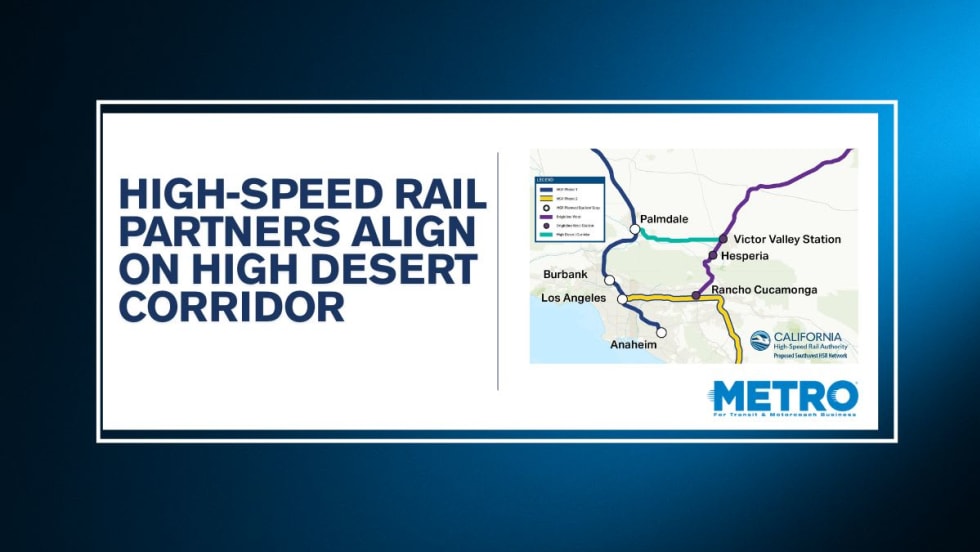
California High-Speed Rail Authority Signs MOU to Advance High Desert Corridor
The agreement deepens collaboration between the California High-Speed Rail Authority and the High Desert Corridor Joint Powers Agency, supporting design integration, cost savings, and faster delivery of a key Southern California rail link.
Read More →
Building the Next Generation of Transit Technology
In this edition of METROspectives, Luminator CEO Magnus Friberg discusses the company's transformation, the growing role of AI and software, and what's next for transit technology.
Read More →
How Data, Strategy, and Community Engagement Are Reshaping Transit
In this edition of METROspectives, strada360 CEO Steve Lassey discusses how transit agencies can better align planning with operations, leverage data to improve decision-making, and build public trust as they prepare for the future of mobility.
Read More →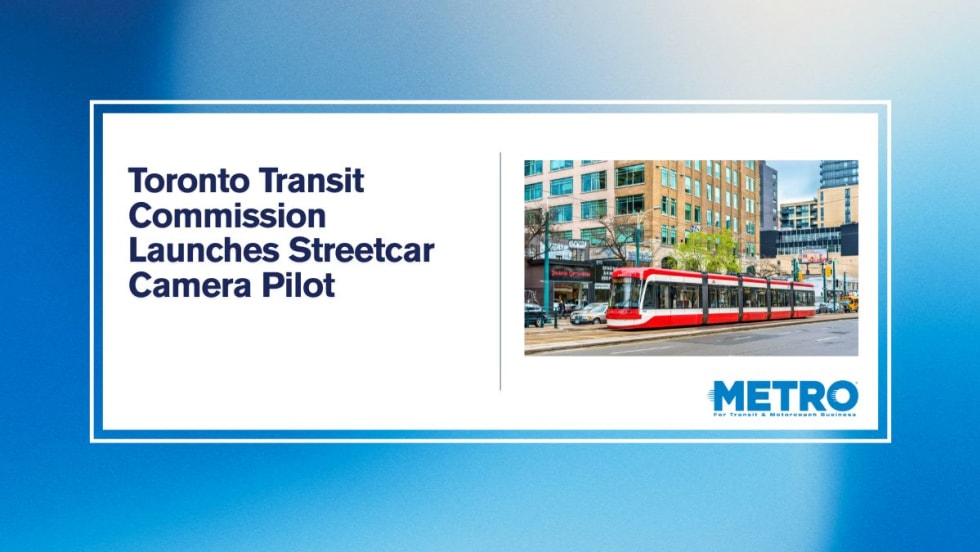
TTC Launches Camera Pilot to Curb Illegal Passing of Streetcars
During the pilot, the cameras will measure how often illegal streetcar passing occurs and test the technology's reliability for future automated enforcement.
Read More →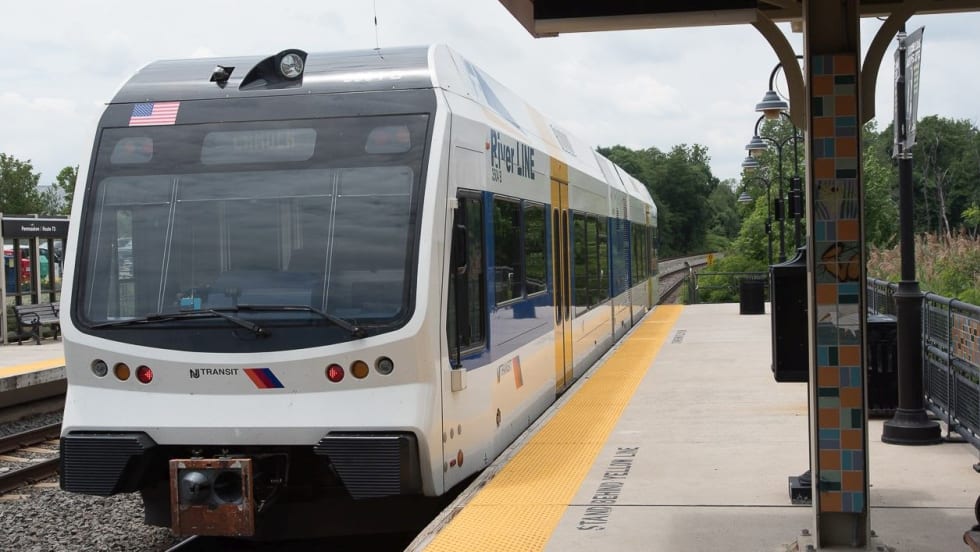
NJ TRANSIT Secures Capital Funding, Adopts FY2027 Budget
The budgets continue investments in infrastructure and equipment to maintain the system in a state of good repair and enhance the overall customer experience.
Read More →
Biz Briefs: Masabi Teams with St. Louis Metro and More
In METRO's latest installment, we take a look at recent news from Transdev, Hitachi, and more partnerships making headlines across the transportation sector.
Read More →