




Taking Action: CTA Makes Progress on Action Plan
CTA Welcomes New Bus Operators
Throughout the pandemic, the CTA has continued to hire and train bus operators.
December 21, 2022
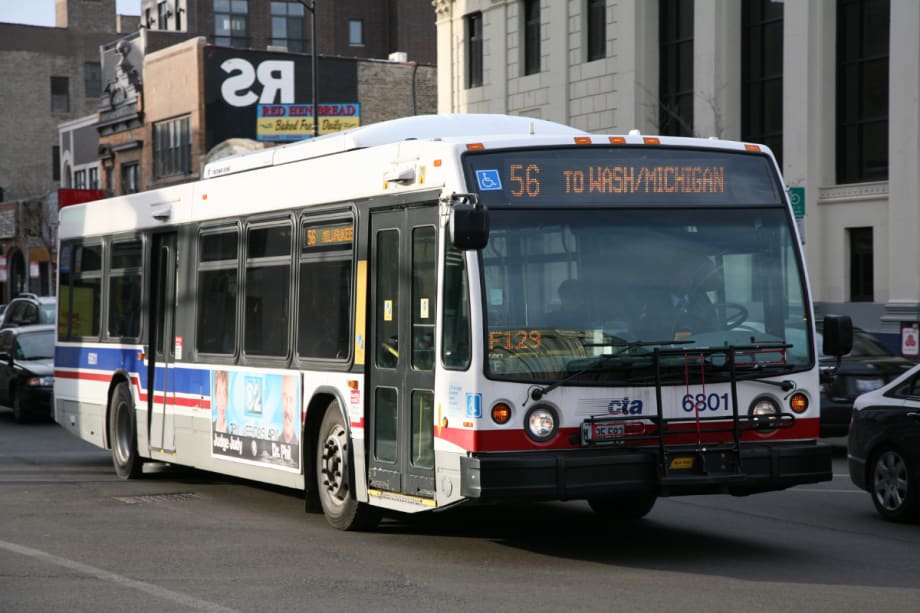
The CTA has recently announced new starting wages, along with new hiring and retention bonuses in an effort to attract top talent.
Photo: CTA
2 min to read
The Chicago Transit Authority (CTA) announced the addition of more than 160 new employees to help fill positions in Bus Operations, Bus Maintenance, and Rail Station Management, according to the agency's news release.
Among those who recently graduated were a total of 133 new bus operators, who either recently started or will enter service this week, after having completed training in operations, safety, troubleshooting, customer communications, and more.
“We remain committed to improving our services, which is why over the last year we’ve been pulling out all the stops to remain competitive and welcome these new bus operators, mechanics, and rail station personnel — who play a critical role not just here at CTA, but in ensuring the City of Chicago keeps moving,” said Dorval R. Carter, Jr., CTA president. “We recognize there are a lot of opportunities out there, but few organizations are offering the immediate and long-term benefits that CTA has to offer. We look forward to welcoming even more new employees in the coming months thanks to our ongoing, intense recruiting efforts.”
Throughout the pandemic, CTA said it has continued to hire and train bus operators. Following a series of recruitment marketing campaigns, the CTA has recently announced new starting wages, along with new hiring and retention bonuses in an effort to attract top talent. These new measures are a part of CTA’s healthcare and pension benefits, paid training (including which includes CDL training and licensing), as well as offering locally-based career growth opportunities in the transportation industry.
The CTA added it has also collaborated with its unions to make adjustments to existing work rules. Previously, bus operators would begin their careers at the CTA in part-time positions and work their way up to full-time positions. However, this year’s new hires start immediately in full-time bus operator positions.
More Bus

New York MTA Plans Largest Bus Fleet Upgrade in More Than a Decade
The agency is seeking manufacturers for 650 new CNG buses to replace aging vehicles, improve reliability, and advance its broader fleet modernization strategy.
Read More →
Building a Flexible Path to Transit Electrification
John Hroncich discusses BAE Systems’ modular and scalable approach, lessons learned from decades of real-world operations, and how agencies can identify electrification strategies that fit their fleets.
Read More →
Bus Tech Talk: Keeping Transit Technicians Ahead of the Technology Curve
LA Metro’s Obed Mejia discusses technician training, evolving maintenance technology, fleet replacement, and strategies for getting the most out of today’s transit fleets.
Read More →
Biz Briefs: RIPTA Unveils New Frontrunners, Clevland RTA Adds New Siemens, and More
In METRO's latest installment, we take a look at recent news from Siemens, Prevost, Dodge, and more partnerships making headlines across the transportation sector.
Read More →
People Movement: Holly Arnold Joins Transdev and More
In this edition, we also cover recent appointments and announcements at Pace, CamTran, MCI, and more, showcasing the individuals helping to shape the future of transportation.
Read More →
The High Cost of Transit Buses: Industry Leaders Look to Procurement Reform
Transit leaders and policymakers examine how standardized bus designs, streamlined procurement, and predictable funding could help agencies stretch budgets and deliver better service.
Read More →
The Business Voice Behind Public Transportation
As chair of APTA’s Business Members Board of Governors, Ray Melleady explains how more than 850 business members are partnering with transit agencies to advance funding, innovation, and industry-wide collaboration.
Read More →
From Surviving to Thriving: Building Stronger Transportation Organizations
Bus Business Consultants founder Brian Dickson shares lessons on leadership, organizational health, and creating options for long-term success in a changing transportation industry.
Read More →
Finding the ‘Happy Medium’: Optimizing Maintenance Without Sacrificing Reliability
The key to maintenance optimization isn’t doing less work—it’s doing the right work at the right time on the right assets.
Read More →
LA Metro, City of West Hollywood, and Partners Advance Smarter Bus Lane Enforcement
The award-winning partnership combines AI-powered detection with human oversight to improve bus reliability, accessibility, and enforcement efficiency.
Read More →