5 Reasons Transit Agencies, Onboard Systems Need a Single Source of Connectivity
In the realm of transit, connectivity serves as the lifeline between communities and modes of transportation. Yet, there’s a second transformative connectivity concept that deserves attention — the Single Source of Connectivity.
Imagine it as the transit world’s “single source of truth” — a unified mobile internet solution across vehicles.
Credit:
Icomera
3 min to read
In the realm of transit, connectivity serves as the lifeline between communities and modes of transportation. Yet, there’s a second transformative connectivity concept that deserves attention — the Single Source of Connectivity.
Imagine it as the transit world’s “single source of truth” — a unified mobile internet solution across vehicles. This innovation doesn’t just connect; it revolutionizes operations, empowers data-driven decisions, and enriches the passenger journey.
Ad Loading...
Single Source Connectivity
Let’s demystify the term. Consider your onboard systems. How many mobile routers lie within your vehicles? Probably more than you think.
Think of it this way: Would you pack multiple pairs of shoes for every outfit, even with a spacious suitcase? The analogy applies to transit, albeit with a nerdy twist.
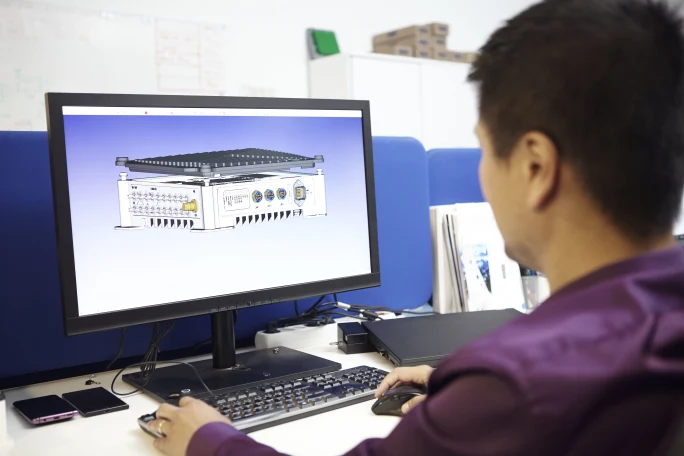
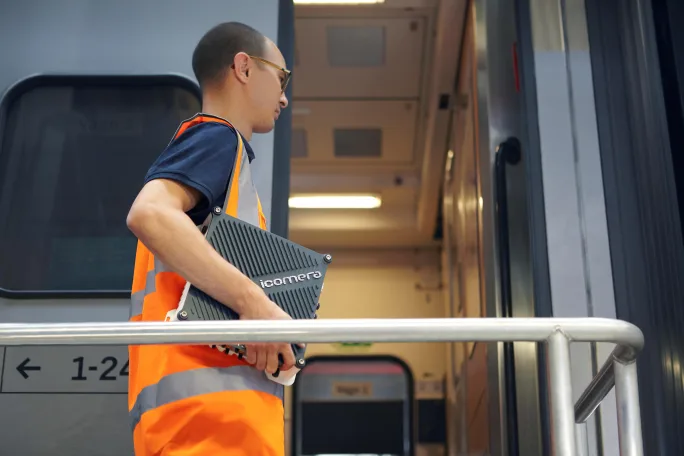
Redesigning onboard networks confronts two major challenges: constrained space and enhanced integration with existing systems.
Credit:
Icomera
Here are Five reasons to think bigger with connectivity:
Streamlined Efficiency Through Consolidation
Picture this: Retrofitting vehicles with new technologies constitutes a significant portion of our capital expenditure. As funding wanes, the need for smarter solutions increases. And here’s where a Single Source of Connectivity shines. Redesigning onboard networks confronts two major challenges: constrained space and enhanced integration with existing systems. Imagine a streetcar — limited room, yet four mobile routers per car. One each for CAD/AVL, video surveillance, fare collection, and passenger Wi-Fi. The paradox? More hardware means more space consumed, resulting in redundancy — minus the benefits.
Simplicity Translates to Maintenance Brilliance
A Single Source of Connectivity boils down to a simple equation: Four routers equals four installations and maintenance chores. A singular, secure VPN solution? Simplifying it fourfold. For instance, seamless uploads of video surveillance footage can coexist with passenger entertainment content package updates during downtime. Efficiency, thy name is consolidation.
Ad Loading...
A Data Symphony through Consolidation
Data consolidation isn’t merely cost-cutting; it’s a gateway to amplified performance. Swift data processing empowers transit agencies to innovate in security, maintenance, and passenger engagement. But beware generic routers and data plans — they fall short on interoperability, integration, and data transfer.
Data consolidation isn’t merely cost-cutting; it’s a gateway to amplified performance.
Credit:
Icomera
Fusion of Functions for Optimal Value
Today’s technology performs multitasking miracles. Surveillance systems, once confined to safety, transcend to new frontiers. Why burden vehicles with separate video surveillance and APC systems when, with today’s advanced analytics capabilities, surveillance systems can exceed APC systems in both function and accuracy. One system triumphs.
Navigating the Wireless Streamline
Welcome to the era of digital transformation. The quest? Streamlined processes, investment, and communications. A Single Source of Connectivity unifies wireless realms, spanning cellular, trackside, satellite, GPS, and more. Bandwidth is aggregated, technologies switch intelligently, and conversations — and data — converge on a single channel.
In a world where MaaS streamlined payments, onboard connectivity yearns for a similar revolution. Connectivity silos must crumble, giving way to integrated brilliance. The transition begins by thinking big, embracing the unity of a Single Source of Connectivity. One system, infinite possibilities.
Five years after Flix acquired it, Greyhound reflects on fleet modernization, operational improvements, employee empowerment, and a renewed focus on customer experience.
With $610 million available through the FY 2026 Buses and Bus Facilities Competitive Program and the Low or No Emission Grant Program, agencies must build a compelling case before the September 21 deadline that balances environmental compliance with operational feasibility.
The global cycling conference highlighted how cities are integrating bicycles into multimodal transportation networks, expanding cycle tourism and reshaping urban mobility.
Mike Bismeyer — often known as “The Kindness Guy” — has spent more than 17 years in public transit and mobility, serving in industry leadership roles, speaking across North America, and advocating for stronger workplace cultures. But his message doesn’t come from theory. It comes from lived experience.
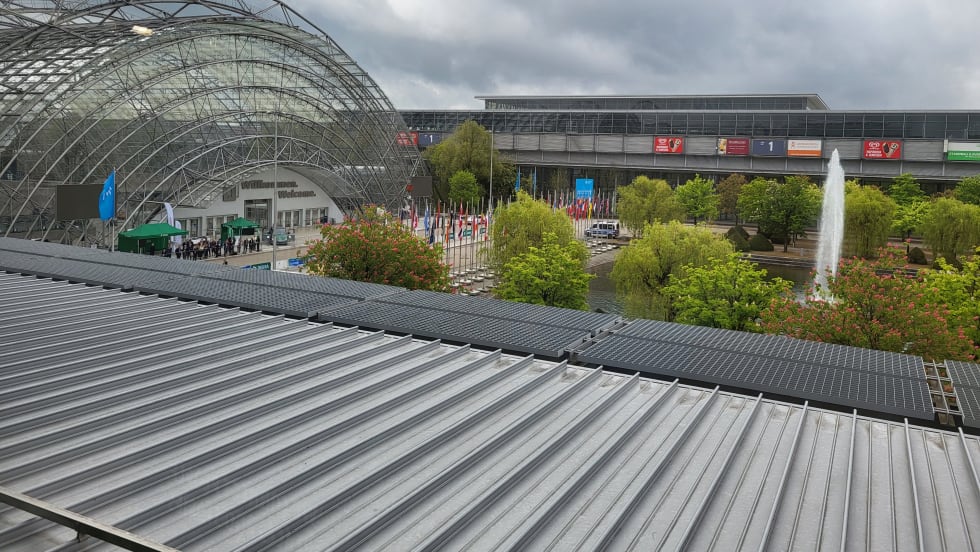
Transport leaders from around the world gathered in Leipzig, Germany, for the 2026 International Transport Forum to discuss resilience, climate impacts, supply chains and the future of sustainable mobility.
Polis comprises cities and regions, as well as corporate partners, from across Europe, promoting the development and implementation of sustainable mobility. This year’s event had over a thousand attendees across various policy forums and an exhibition.
Across North America and beyond, transit agency officials are contending with a perfect storm of operational headaches and strategic challenges that hamper daily service and long-term progress.