



FTA Providing $20.5B to Support Transit, Boost Communities
The investments will help people get to work, school, healthcare appointments, and other destinations via subways, light rail, buses, and ferry systems.

This year, based on population changes from the 2020 Census, some areas will see changes to funding amounts due to factors such as new urbanized area boundaries.
Photo: FTA/METRO
The Federal Transit Administration (FTA) announced that $20.5 billion in federal funding is available to support public transportation in communities throughout the country.
The investments will help people get to work, school, healthcare appointments, and other destinations via subways, light rail, buses, and ferry systems.
Programs Eligible for Funding
By allowing transit providers to move forward with applications for Fiscal Year (FY) 2024 federal support, the funding will help communities:
Expand, modernize, maintain, and operate public transportation systems.
Upgrade stations, tracks, and maintenance facilities.
Plan and design new transit corridors.
Provide access for seniors and riders with disabilities.
The full-year FY 2024 funding is detailed in apportionment tables that specify funding to states, urbanized areas, and tribal governments based on statutory formulas and funding levels set by Congress.
The apportionment tables allow transit agencies and grant recipients to view the amounts for programs by state and urbanized area so they can better plan and manage new and expanded transit projects that benefit their communities. Each year, more than 65% of the funding provided by FTA comes from the formula programs announced.
“As part of President Biden’s infrastructure plan, we’re making history’s biggest-ever federal investment in transit — trains, buses, ferries, and more — so people can reliably and affordably get to wherever they need to be,” said U.S. Transportation Secretary Pete Buttigieg. “This $20.5 billion investment in public transportation will support the daily lives of millions of Americans across the country and help communities expand access to economic opportunity.”
Changes to Funding Amounts
This year, based on population changes from the 2020 Census, some areas will see changes to funding amounts due to factors such as new urbanized area boundaries.
Specifically, some population fluctuations result in regions exceeding or falling below the 50,000-population threshold for urbanized areas. Other thresholds within the urban programs determine whether funds are apportioned to the states or directly to urbanized areas.
In addition, the formulas use transit agencies’ ridership data from 2022, which reflects post-pandemic changes in travel patterns.
“We are pleased to provide billions of dollars in federal support to communities thanks to the Bipartisan Infrastructure Law,” said FTA Acting Administrator Veronica Vanterpool. “Transit funds reach communities large and small, which depend on this funding to start new projects, fix old infrastructure, and ensure fast, safe, convenient service.”
Formula Grants
Formula-based grant programs include funding for transit systems in both urbanized and rural areas, grants for buses and bus facilities, transit designed for seniors and people with disabilities, planning funds, and support to improve the condition of transit assets. The tables allow transit providers to view the amounts for programs set by statutorily defined formulas to better plan and manage projects and address their repair backlogs.
Earlier this year, FTA released $9.9 billion in partial-year apportionments reflecting formula funding available for five months (October 1, 2023, to March 1, 2024) at FY 2023 levels while the federal government operated under a Continuing Resolution.
The partial-year funding, which provided transit agencies an opportunity to draw down formula funding for time-sensitive needs, is a subset of the full-year amounts announced.
More Management
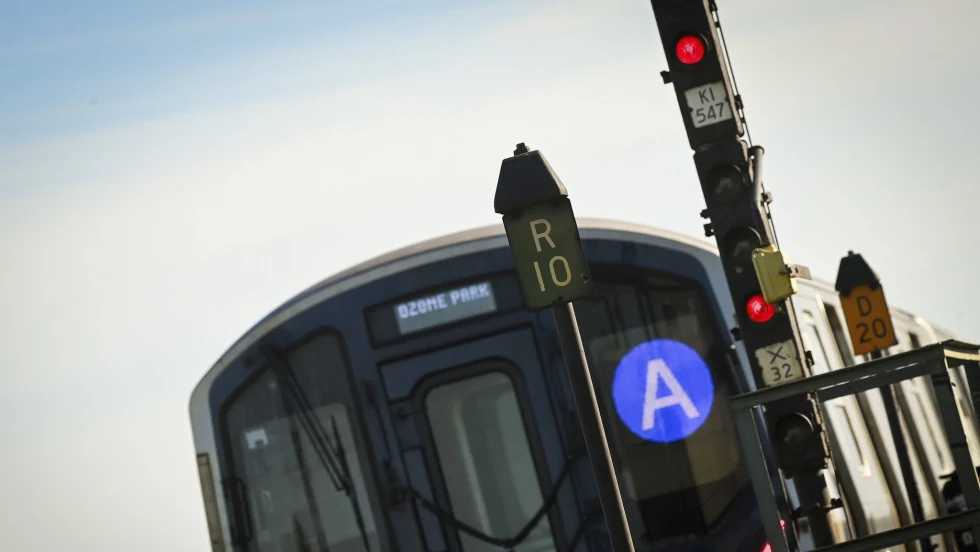
New York MTA Launches Historic $1.9B Signal, Track Modernization Project
Funded in part by congestion pricing revenue, the project will replace nearly century-old signals along the A and C lines in Brooklyn and Queens.
Read More →
Brian Dickson on Building Stronger, More Resilient Transportation Organizations
Bus Business Consultants Founder Brian Dickson discusses the leadership principles, operational discipline, and strategic planning that separate transportation companies positioned for long-term success from those stuck in survival mode.
Read More →
LA Metro Breaks Ground on Vermont BRT Project
The 12.4-mile corridor is projected to serve 66,200 daily riders, reduce travel times by up to 24%, and create the nation's busiest bus rapid transit corridor.
Read More →
Building Stronger Leaders, More Resilient Transit Teams
Dr. Carol Parker Walsh discusses leadership development, employee retention, workplace culture, and preparing transit’s workforce for AI and automation.
Read More →
Roman Cornell on ABC Companies’ Evolution and the Future of Passenger Transportation
The company’s CEO discusses carrying forward a third-generation family legacy, ABC’s continued evolution in passenger transportation, support for increasingly complex fleets, and how technology and continued investment could help operators improve uptime.
Read More →
CATS Launches West Charlotte Microtransit Zone, Expands Transit Services
The new microtransit zone connects residents to key destinations as Charlotte Area Transit System rolls out the first phase of its 2055 Transit System Plan.
Read More →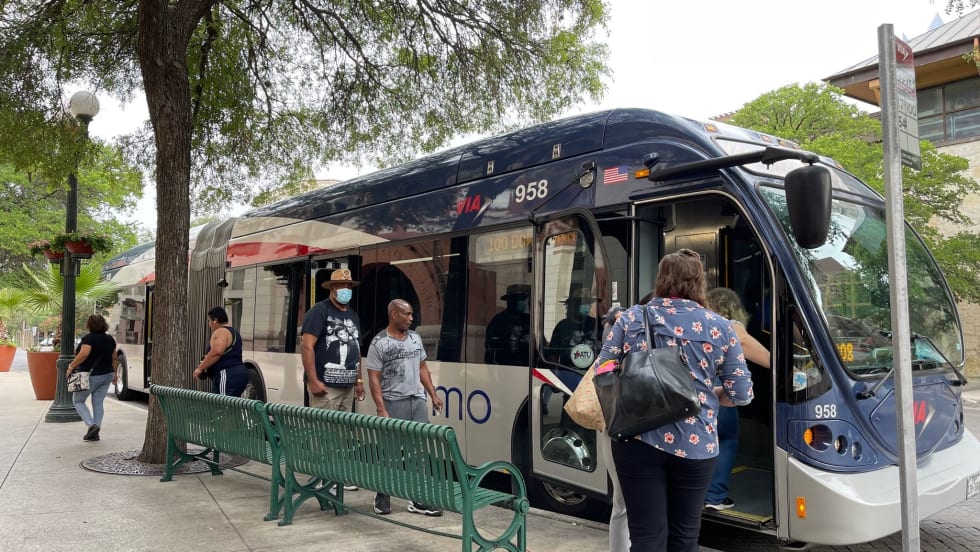
VIA Bus Ridership Grows 10.1% Through August 2026
San Antonio's VIA Metropolitan Transit reported the highest bus ridership growth among major Texas transit systems. Federal Transit Administration data ranked it second among the nation's 50 largest transit systems.
Read More →
CSA Group Releases Climate Resilience Standard for Transit, Passenger Rail
Developed with support from the Standards Council of Canada, CSA D700 guides assessing climate-related risks and planning adaptation measures for transit and passenger rail systems.
Read More →
ETA CEO John Maglio on Transit Technology, Innovation, and Building Agency Trust
ETA founder and CEO John Maglio explores the evolution of transit technology, the importance of reliable systems, and how stronger partnerships can help agencies improve operations and the passenger experience.
Read More →
COTA Launches First Customer Experience Action Plan to Improve Transit Service
The new plan outlines improvements to service reliability, accessibility, communication, and the overall rider experience across Central Ohio's transit system.
Read More →