Pace, CTA, and Metra provided more than 32 million rides in May, bringing the system to 64% recovery compared to 2019 levels. Since January, more than 144 million rides have been taken, an increase of 18 million rides compared to 2023.
Photo: Pace
4 min to read
Ridership across Chicago’s transit systems has continued to increase, with May 2024 seeing the highest ridership levels since 2019 for CTA, Metra, and Pace.
The figures represent nearly 14% year-over-year growth for all fixed routes on three service boards combined.
Ad Loading...
Chicago Ridership Growing
The three operators provided more than 32 million rides in May, bringing the system to 64% recovery compared to 2019 levels. Since January, more than 144 million rides have been taken, an increase of 18 million rides compared to 2023.
According to CTA, active Ventra accounts are at 97% of pre-pandemic levels, showing that the number of people who ride transit have largely returned, but they are riding less due to flexible work arrangements and other travel pattern changes since the pandemic.
All three transit operators continue to work to adapt their services to meet the changing needs of riders, one of the action items from the RTA’s regional transit strategic plan, Transit is the Answer.
CTA Bouncing Back Post-COVID
CTA has returned 48 bus routes to near pre-COVID-19 scheduled service levels through June of this year, and the improvement is seeing results.
CTA bus recovery in May crossed 77% of 2019 levels, making it the fixed-route service with the highest recovery rate in the system.
Ad Loading...
Added bus service has boosted ridership; routes that have seen improved schedules have had a 21% increase in ridership, compared to a 14% rise on routes without added buses.
CTA rail recovery in May was 59% of 2019 levels.
In April, CTA announced new spring rail service timetables and plans for increasing rail service throughout summer as new rail operators complete training and are added into service. The agency is on track to train up to 200 new operators, double the number trained in 2023, and plans to return rail service to pre-pandemic levels this year.
CTA’s 2024 budget set a ridership recovery goal of 64% of 2019 levels for the year. At 67% overall year-to-date ridership recovery, this goal is expected to be surpassed at year’s end.
RTA officials said they are working with partners and local, state, and federal officials to explore a range of options for new revenue while implementing a strategic plan focused on building a safer, more reliable, and more accessible system.
Photo: Metra
Commuter Rail Snapping Back
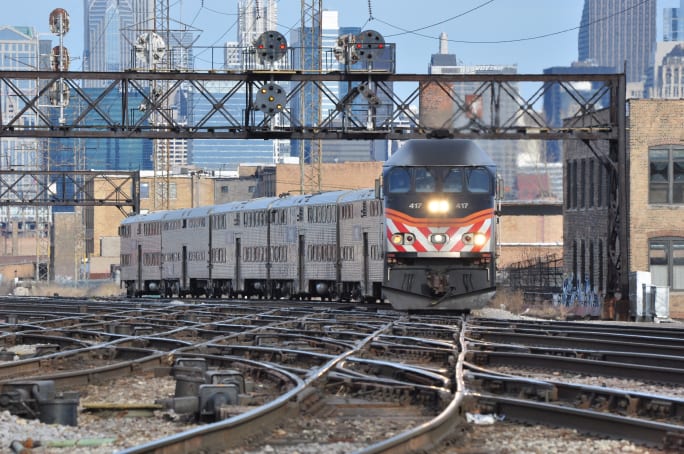
Metra weekday ridership recovery in May crossed 58% of 2019 levels.
Ad Loading...
May 21 set a record for post‐pandemic Metra ridership with 197,520 riders, surpassing even the previous high set Aug. 2, 2023, for Lollapalooza. Metra also carried more than 31,000 bicycles in May, nearly twice as many as in May 2019.
In April, Metra sold more than 50,000 monthly passes, breaking its own post-pandemic record for the second month in a row.
Metra added service to the Union Pacific North Line and opened the new Peterson/Ridge Station in May and added late evening service on the Milwaukee District North Line in June. The agency also added weekend service to the BNSF line in April.
In February, Metra unveiled a new, simpler fare structure, reducing 10 fare zones to four and setting cost at or below pre-pandemic levels.
Pace Also Growing
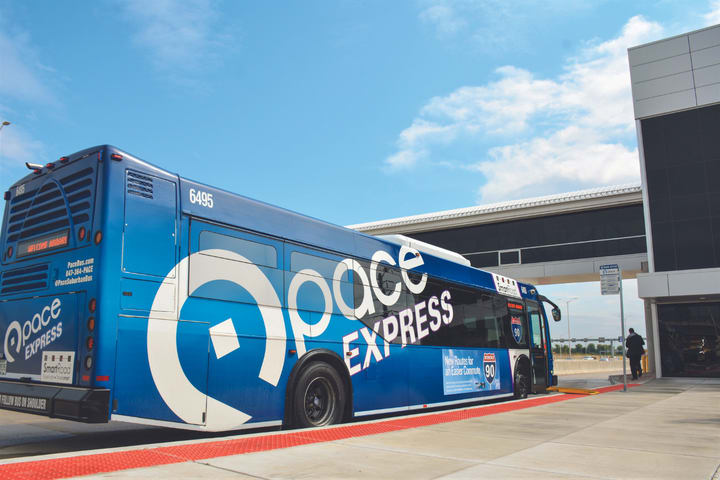
Pace ridership recovery in May crossed 62% of 2019 levels. This growth is being driven by Pace Pulse, the agency’s rapid transit service. Pace launched the Pulse Milwaukee Line in 2019 and the Pulse Dempster Line in August 2023, bringing fast, frequent service between Evanston and O’Hare.
Ad Loading...
Three additional Pulse corridors are currently in project development including Halsted, 95th Street, and Cermak — all of which are likely to drive even greater ridership gains when service begins.
In addition to Pace Pulse, the agency rolled out lower fares and additional integrated unlimited-ride passes to make the rider experience more seamless and affordable in 2023.
Pace also deployed more real-time bus tracker signs throughout its service area and launched a new user-friendly trip planning platform last year.
Construction projects like the Harvey Transportation Center and South Campus project in Markham offer an improved experience for riders waiting for their bus. Pace has also begun offering free fares on Pace fixed-route services for all ADA Paratransit customers.
Pace’s budget assumed ridership at 55% of pre-pandemic levels for the year. At 64% year-to-date ridership recovery, this goal is expected to be surpassed at year’s end.
Ad Loading...
Regional Transit’s Fiscal Cliff
The RTA system is facing a $730 million annual operating shortfall starting in 2026, which is expected to grow with the cost of providing service in future years.
Increasing funding to fill this gap would prevent severe service cuts and fare increases and help the region’s transit operators improve service, grow ridership, and create a more equitable system.
“Today, ridership across CTA, Metra, and Pace is growing as we see increased service levels, enhanced schedules with more midday and weekend service, new fare products, and other changes to meet the needs of today’s riders,” said RTA Executive Director Leanne Redden. “This has only been possible because of flexible COVID relief funding. And while we’re thrilled to see these major ridership gains, this alone will not fill the gap. We are on the right track, and the region cannot afford to have this momentum interrupted by service cuts that will come if a funding solution to the coming fiscal cliff is not found.”
RTA officials said they are working with partners and local, state, and federal officials to explore a range of options for new revenue while implementing a strategic plan focused on building a safer, more reliable, and more accessible system.
Contract Four is the largest in the Second Avenue Subway Phase 2 project and includes construction of station infrastructure, tracks, and signals for the subway expansion, MTA officials said. Work on Contract Four will begin in 2027.
The new regional transit authority appointed its first board chair and interim executive director while extending reduced fares across CTA, Metra, and Pace for eligible riders.
Reliability-Centered Maintenance helps transit agencies move beyond routine checklists to focus limited resources on the assets and failures that have the greatest impact on safety, reliability, and service.
The 90-day demonstration will deploy coordinated security teams at five light rail stations while testing controlled access and gathering data to guide future investments.
Learn about delivering 1300 gates at 91 stations while managing fare evasion. Explore the large scale deployment, solution customization and real-world results that affect the region. Prepare for deployment in your region now.
Between packed transit stations and team motorcoaches, see how agencies and operators across North America tackled the transportation demands of the 2026 FIFA World Cup.
The stopgap keeps federal transportation programs moving, but missing advance funding could complicate the transit and rail projects agencies are planning next.