




Looking Back: Maryland maglev project garners local chambers of commerce support
Federal Railroad Administration Cancels Grant Funds for Maryland’s SCMAGLEV Rail Project
Approximately $26 million in grants were pulled from the project, citing delays, cost overruns, and unresolvable federal agency impacts.
August 1, 2025
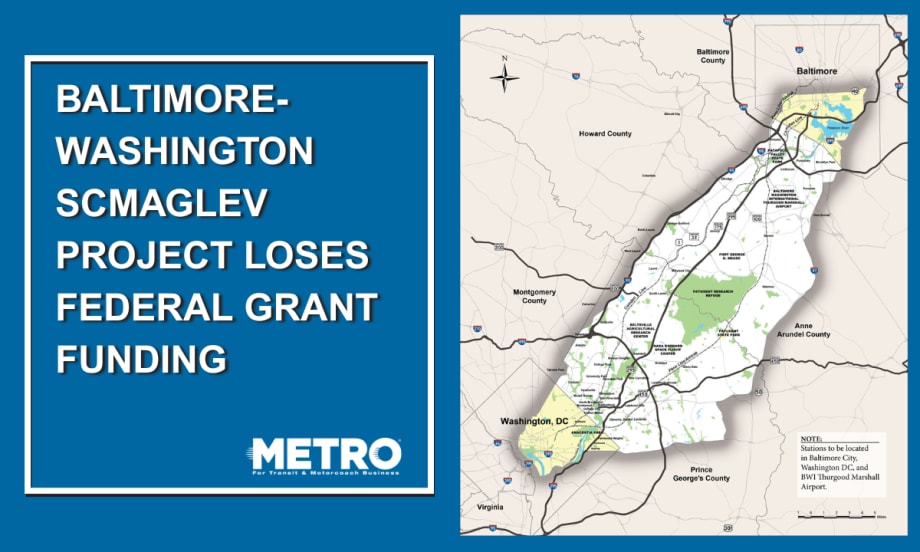
The Federal Railroad Administration's involvement in the SCMAGLEV project began in 2016, but ongoing delays and cost overruns led to multiple pauses in the environmental review process.
Photo: Baltimore-Washington Superconducting Magnetic Levitation Project / METRO
2 min to read
After nearly a decade of planning, the U.S. Department of Transportation Secretary Sean P. Duffy recently announced that the Federal Railroad Administration (FRA) will cancel two grants totaling over $26 million for the Baltimore-Washington Superconducting Magnetic Levitation (SCMAGLEV) Project.
The SCMAGLEV Project was proposed as a high-speed rail project using superconducting magnetic levitation technology between Baltimore, Maryland, and Washington, D.C. The estimated capital cost to build this project is nearly $20 billion.
According to a USDOT release, the FRA’s involvement in the project dates back to 2016, but the project has experienced numerous delays and cost overruns. Since the grant was obligated in 2015, the environmental review process has been paused twice on the Federal Permitting Dashboard. It remained on pause from August 2021 until August 1, 2025.
As part of its analysis, FRA determined the project would result in significant, unresolvable impacts to federal agencies and federal property, including national security agencies.
Government agencies harmed by this project would have included: the National Security Agency, U.S. Department of Defense, Fort George G. Meade, National Aeronautics and Space Administration, U.S Department of Agriculture, U.S. Secret Service, U.S. Department of Interior – Fish and Wildlife Service, National Park Service, and the U.S. Department of Labor.
“This project did not have the means to go the distance, and I can’t in good conscience keep taxpayers on the hook for it,” Duffy said. “We’ll continue to look for exciting opportunities to fund the future of transportation and encourage innovation.”
According to the release, rescission of the NOI does not prevent the future deployment of MAGLEV technology in the U.S.
More Rail

ENC Lands MATA Contract and More in Biz Briefs
In this edition of Biz Briefs, we spotlight the latest developments shaping the future of mobility.
Read More →
Strada360’s Steve Lassey on Turning Transit Data Into Better Decisions
From breaking down data silos to preparing for AI, Strada360 CEO Steve Lassey discusses how transit agencies can use technology to improve operations, customer information, and long-term decision-making.
Read More →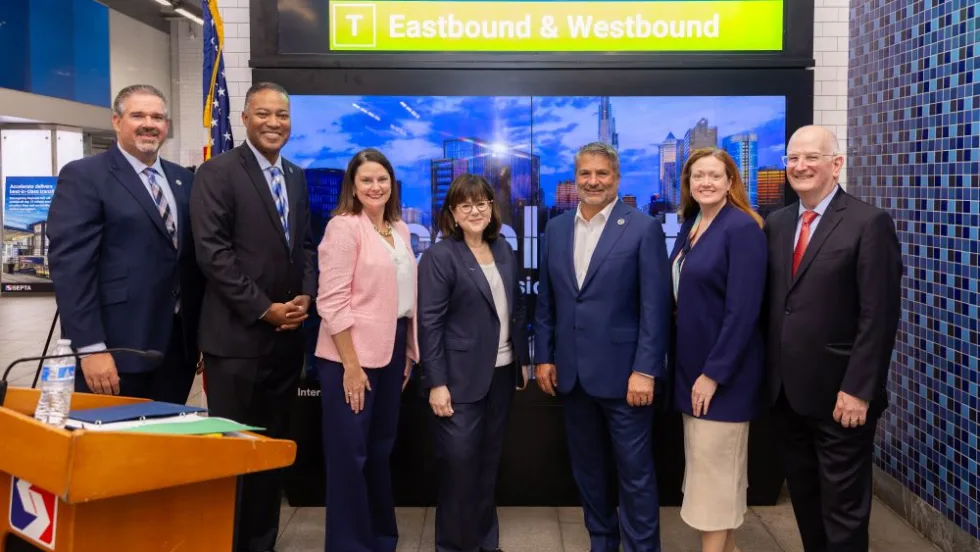
SEPTA Details Accelerate Vision for Transit System
The plan outlines investments in trolley modernization, new Metro and Regional Rail vehicles, accessible stations, and more frequent bus and rail service.
Read More →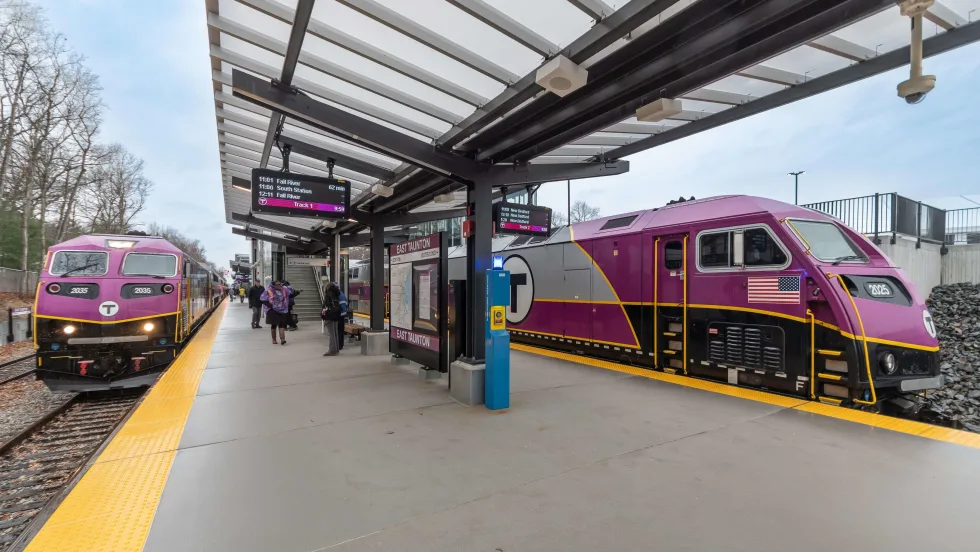
FTA Ends Direct Oversight of MBTA Safety Actions
The federal agency closed its remaining special directive to the Massachusetts Department of Public Utilities following a safety review that began in 2022.
Read More →
Amtrak, CN Reach Agreements to Strengthen Passenger Rail Service, Safety
The agreement resolves a more than decade-long proceeding before the Surface Transportation Board concerning the terms and conditions for Amtrak services, such as the City of New Orleans, Illini/Saluki, and Wolverine.
Read More →
New York MTA Advances Final Contract for Second Avenue Subway Expansion
Contract Four is the largest in the Second Avenue Subway Phase 2 project and includes construction of station infrastructure, tracks, and signals for the subway expansion, MTA officials said. Work on Contract Four will begin in 2027.
Read More →
San Diego MTS Breaks Monthly Trolley Ridership Record
Agency officials said July’s ridership indicates MTS’s continued recovery from the pandemic.
Read More →
Report Examines NJ TRANSIT Reliability, Funding Challenges
The Garden State Initiative analysis examines the roles of Amtrak infrastructure, fleet management, and agency operations while recommending a more performance-based approach to improving reliability.
Read More →
Stadler, CapMetro Sign Long-Term Rail Fleet Support Agreement
Beginning in 2027, Stadler will provide on-site technical expertise, spare parts support, training, and obsolescence management to help extend the reliability and longevity of CapMetro’s GTW fleet.
Read More →
Biz Briefs: Alstom Lands Canadian Contract, LYT to Supply California TSP, and More
In METRO's latest installment, we take a look at recent news from Complete Coach Works, Beep, FlixBus, and more partnerships making headlines across the transportation sector.
Read More →