



MBTA Wraps Up 2025 with Strong Improvements Across the System
From more frequent service to accessibility upgrades to safety progress, and more, the agency now heads into 2026 with continued momentum in its charge to deliver a quality public transit experience for the general riding public.

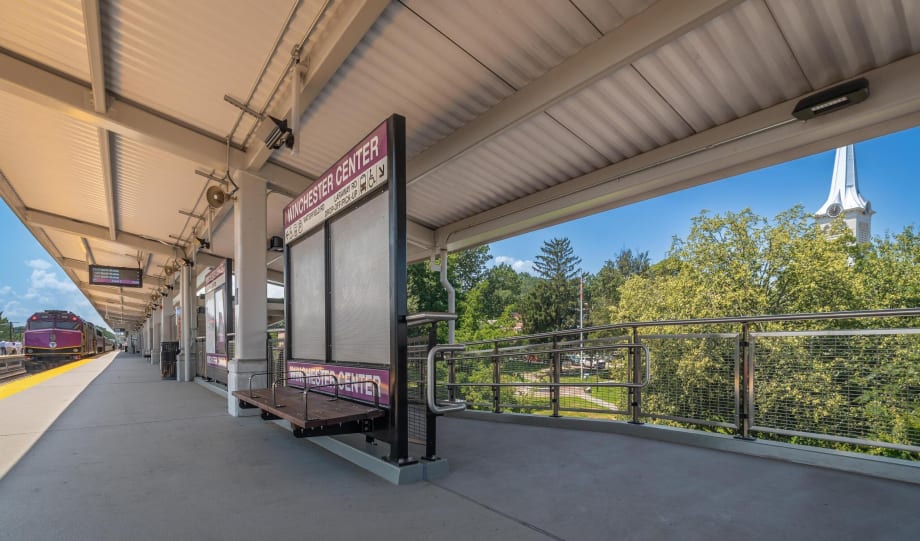
Under the leadership of the Healey-Driscoll Administration and Interim MassDOT Secretary/MBTA GM Phillip Eng, the MBTA said it has accelerated critical investments to rebuild aging infrastructure, modernize system operations, and more.
Credit: MBTA
Boston’s Massachusetts Bay Transportation Authority (MBTA) reflected on 2025 improvements across the system, from more frequent service to accessibility upgrades, to safety progress, and new innovative technology, as the agency heads into 2026 with continued momentum in its charge to deliver a quality public transit experience for the general riding public.
Under the leadership of the Healey-Driscoll Administration and Interim MassDOT Secretary/MBTA GM Phillip Eng, the MBTA said it has accelerated critical investments to rebuild aging infrastructure, modernize system operations, expand service, strengthen the workforce, attract talented professionals, and serve the communities that rely on the MBTA daily across the Commonwealth.
“With the support of the Legislature, partners across all levels of government, public transit advocates, community leaders, and most of all, the riding public, we are committed to continuous improvement, delivering meaningful projects and service most cost-effectively and efficiently,” said Eng. “I’m honored to work side by side with our dedicated workforce of over 8,000 employees and our industry partners as we head into 2026 and beyond.”
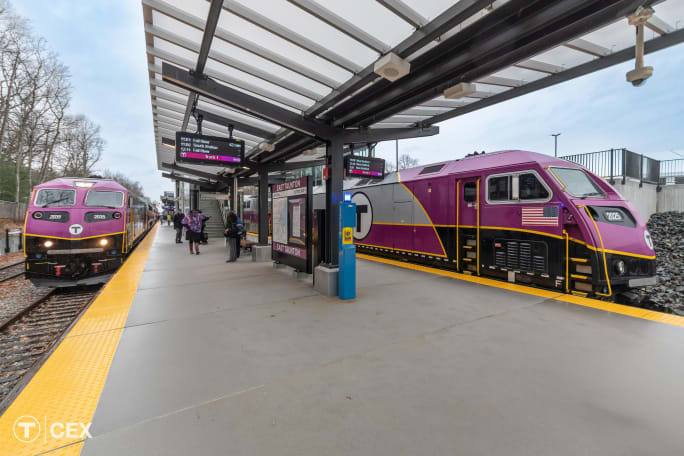
In September, Fare Engagement Representatives began issuing formal warnings and citations to riders who failed to tap at a fare gate or farebox at downtown stations and on board vehicles.
Credit: MBTA
Key 2025 Highlights
Key highlights for the MBTA included:
Major Commuter Rail Service Expansions to Southeastern Massachusetts: Passenger service on SCR began on March 24, 2025. The over $1 billion project brought passenger service to the communities of Taunton, Freetown, New Bedford, Middleboro, and Fall River for the first time in 65 years on the Fall River/New Bedford Commuter Rail Line.
Resetting High Speeds on the Red and Orange lines: Red Line Braintree Branch speeds were restored to 50 MPH for the first time in 20 years in March 2025, following the unprecedented work of the MBTA’s Maintenance of Way Department. Orange Line trains began traveling at their maximum speed of 55 MPH (up from 40 MPH) between Oak Grove and Assembly Station for the first time in August 2025, following the restoration of track in this area.
Permanent Later Subway and Bus Service: All subway lines and eight frequent bus routes now offer extended service on Fridays and Saturdays, with five of the MBTA’s most frequent bus routes with the highest number of later riders offering extended service every day of the week. Trip end times for these lines and routes are about one hour later compared to past service end times.
Enhancing Fare Collection with Fare Checks: In September, Fare Engagement Representatives began issuing formal warnings and citations to riders who failed to tap at a fare gate or farebox at downtown stations and on board vehicles. Fare Engagement Representatives expanded to more stations this winter, focusing on those with high ridership and transfer points.
Improving Safety with Green Line Train Protection System (GLTPS) Installation: Last June 2025, the MBTA awarded the GLTPS contract to Piper Networks following their successful completion of “demonstration phase testing.” Since then and throughout 2025, crews have been installing GLTPS equipment along Green Line tracks, with Phase 1 of the project on track to be operational in summer 2026.
Rebuilding the Workforce: Since the beginning of the Healey-Driscoll Administration, the MBTA has expanded its workforce, hiring over 1,900 employees; it now stands at over 8,200. Thanks to the Administration and the Legislature, the MBTA will continue to upgrade its workforce to deliver even safer, more robust service.
Critical Accessibility Milestones: After 19 years of steady improvements to the accessibility of its system, the MBTA has fulfilled a substantial amount of its obligations under the 2006 Joanne Daniels-Finegold, et al. v. Massachusetts Bay Transportation Authority Settlement Agreement. As a result, in December 2025, the court-appointed independent monitor, Judge Patrick King, concluded his oversight role.
Expanding Access to Income-Eligible Reduced Fares: Since its launch in September 2024, the income-eligible reduced fare program has made MBTA travel more affordable for over 38,000 riders. About 70% of riders have enrolled through an automated verification process that takes under five minutes to complete, thanks to partnerships with the Registry of Motor Vehicles and the Executive Office of Health and Human Services. This streamlined approach has enabled rapid program growth and lays the groundwork for similar improvements to other reduced-fare programs in the near future.
Industry Recognition: The MBTA welcomed the American Public Transportation Association’s (APTA) annual TRANSform Conference to Boston in September 2025. APTA TRANSform is the flagship event for public transportation professionals to engage in workshops, attend technical tours, and exchange best practices.
More Management
People Movement: ABC Names John Walsh as Chief Commercial Officer
In this edition, METRO also covers recent appointments and announcements at the DART, STV, and more, showcasing the individuals helping to shape the future of transportation.
Read More →
From Surviving to Thriving: Building Stronger Transportation Organizations
Bus Business Consultants founder Brian Dickson shares lessons on leadership, organizational health, and creating options for long-term success in a changing transportation industry.
Read More →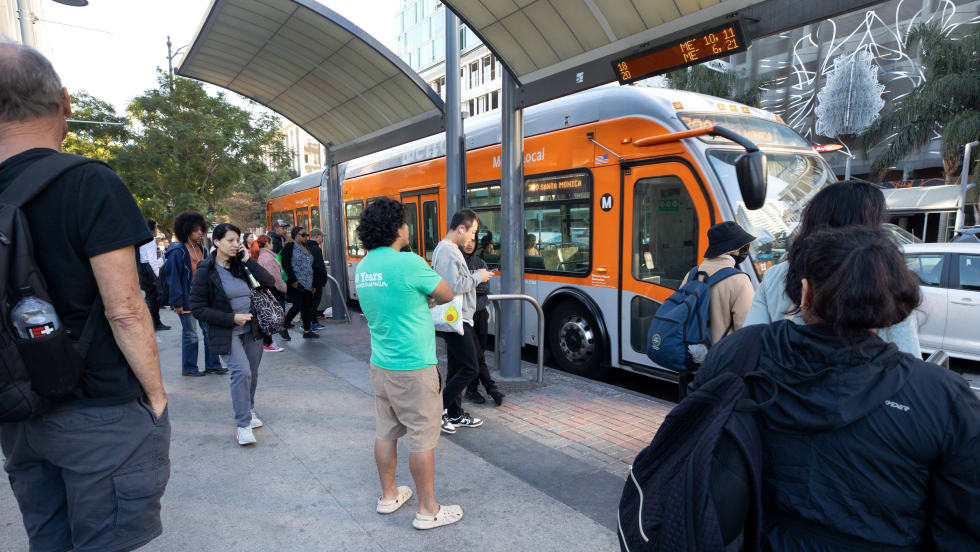
LA Metro Ridership Continues Growth as Rail Gains Accelerate
New rail connections and major events help drive continued ridership gains, with Metro recording its eighth consecutive month of year-over-year rail growth.
Read More →
TransDASH Summit Focuses on Measuring What Matters in Transit
Transit agencies unveil a national performance platform designed to benchmark customer experience, safety, community value, and other outcomes.
Read More →
Jacksonville’s NAVI Project Charts a New Course for Autonomous Public Transportation
Through its NAVI program, JTA is showing how autonomous vehicles, intelligent infrastructure, and coordinated operations can work together to deliver everyday public transportation.
Read More →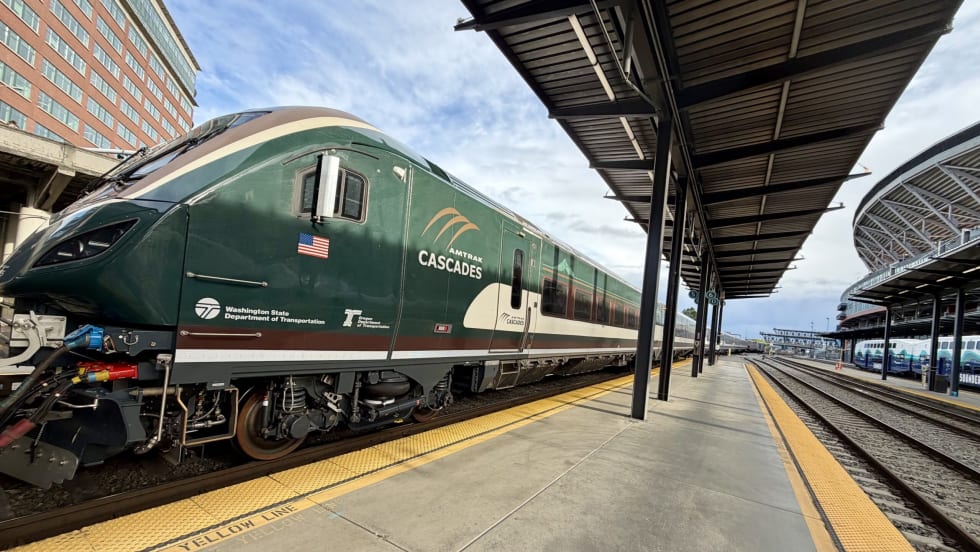
FRA Announces $5.3B in Rail Investments, Including $2B for Amtrak
Funding will support grade-crossing improvements, infrastructure upgrades, and new Amtrak equipment in 23 states.
Read More →
Finding the ‘Happy Medium’: Optimizing Maintenance Without Sacrificing Reliability
The key to maintenance optimization isn’t doing less work—it’s doing the right work at the right time on the right assets.
Read More →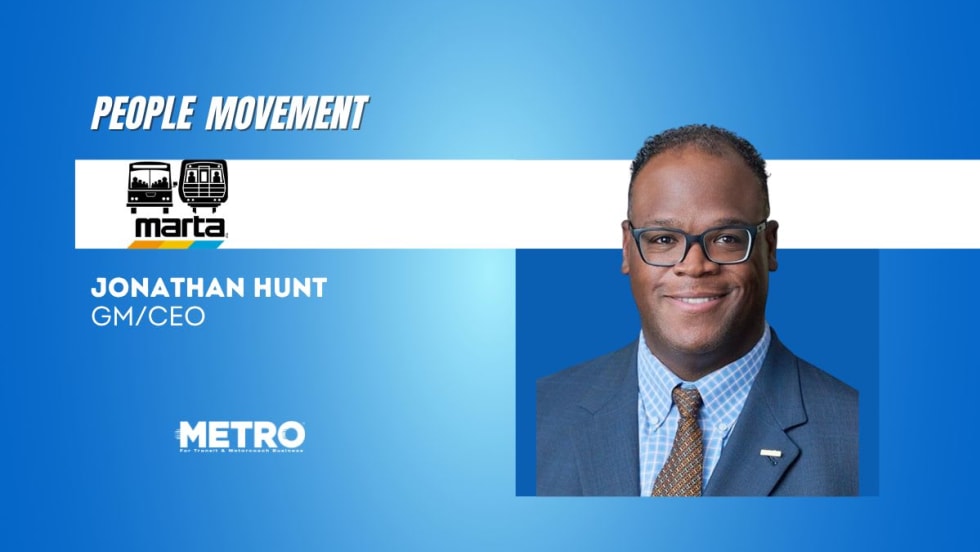
People Movement: MARTA Drops Interim Tag on GM/CEO Hunt and More
In this edition, METRO covers recent appointments and announcements at the FMCSA, HDR, SilverRide, and more, showcasing the individuals helping to shape the future of transportation.
Read More →
VIA Metropolitan Transit Reports 2 Million More Passenger Trips as Better Bus Plan Gains Momentum
San Antonio's transit agency said accelerated service improvements are driving ridership growth, offering another example of how increased frequency and workforce investments can translate into stronger transit performance.
Read More →
ABAF Study Reveals Growing Insurance Crisis for Motorcoach Operators
Preliminary findings show 98% of operators faced premium increases over the past five years, while shrinking insurer participation is putting added pressure on businesses and customers.
Read More →