



BAE Systems' John Hroncich Discusses the Evolving Path to Transit Electrification
In a recent episode of METROspectives, BAE Systems’ John Hroncich explored the continued role of hybrid buses, the importance of flexible propulsion technology, and how real-world experience is helping transit agencies make smarter fleet decisions.
November 27, 2026

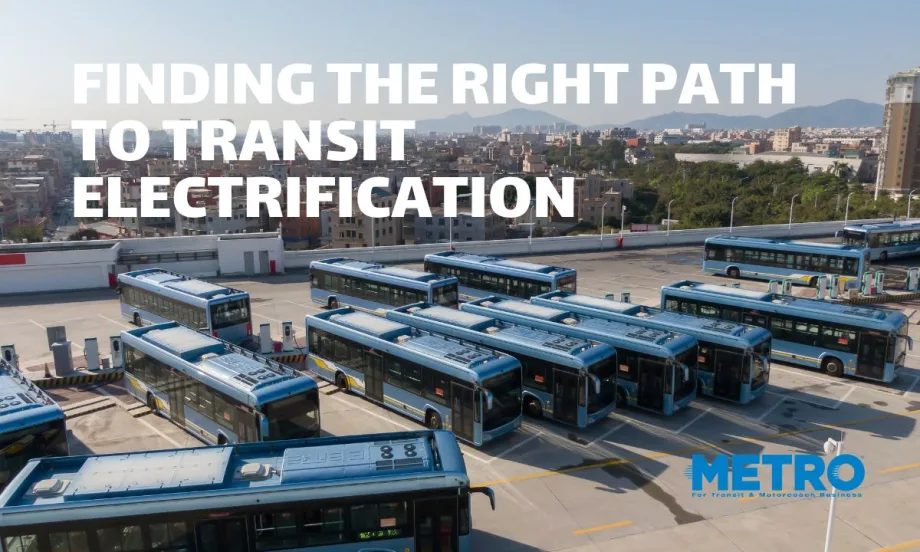
BAE Systems’ John Hroncich joined METROspectives to discuss the evolving transit electrification landscape and how agencies are becoming more strategic in selecting propulsion technologies.
Credit:
METRO
5 min to read
- John Hroncich of BAE Systems emphasizes the continued relevance of hybrid buses in the transition to electrified transit systems.
- He highlights the significance of adaptable propulsion technology to meet varying transit agency needs.
- Hroncich notes that practical experience is crucial for transit agencies to make informed decisions on fleet upgrades.
*Summarized by AI
As transit agencies continue navigating the transition toward zero-emission fleets, the path forward is becoming less about adopting a single technology and more about finding solutions that fit individual operating needs.
That was a central theme of the latest METROspectives conversation between METRO Magazine Executive Editor Alex Roman and John Hroncich, Director of North American Transit Sales at BAE Systems.
During the discussion, Hroncich shared insights from BAE Systems' extensive history in the transit electrification market, including how agencies are becoming more sophisticated in their technology choices, why hybrid buses remain relevant, and what the industry can expect as electrification continues to evolve.
Flexibility Remains Key to Electrification
With transit agencies at different stages of their electrification journeys, Hroncich explained that BAE Systems has focused on developing modular and scalable propulsion technology that supports hybrid, battery-electric, and fuel-cell buses.
The approach lets agencies introduce new technologies without having to start over as their fleets evolve.
"If they buy a hybrid today and they eventually go to zero emissions, they can enjoy all the perks that come with BAE Systems," Hroncich said.
He explained that common components, diagnostic software, and service support across different propulsion systems can help agencies simplify maintenance and training as they transition toward zero emissions. That flexibility is becoming increasingly important as agencies balance emissions goals with budgets, infrastructure availability, and daily service requirements.
Hroncich also noted that agencies are looking for more than technology suppliers. They increasingly want experienced partners who can help them address everything from infrastructure integration and route planning to workforce training and long-term support.
Why Hybrid Buses Still Matter
Although much of the industry's attention has focused on battery-electric and hydrogen fuel-cell buses, Hroncich said hybrid technology still serves an important purpose.
"That's why we still see a strong demand for hybrid buses," he said. "They fit a specific need."
According to Hroncich, hybrid buses can provide the range agencies expect from diesel vehicles while delivering fuel savings, making them suitable for routes where battery-electric buses may not yet meet operational requirements. Extreme temperatures, route length, and charging availability can all influence which technology makes the most sense.
He added that agencies are becoming better at identifying those differences through real-world experience.
"There's no better teacher than experience," Hroncich said.
As agencies move beyond small pilot programs, they are gaining a clearer understanding of where different technologies perform best and how to incorporate them into their existing operations.
Real-World Experience Shapes Future Technology
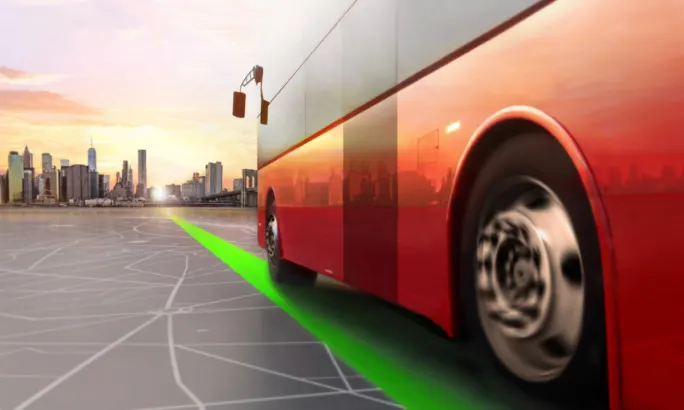
Hybrid buses continue to play an important role in fleet electrification, providing fuel savings and emissions reductions while meeting the range requirements of more demanding transit routes.
Photo: BAE Systems
Hroncich emphasized that feedback from transit agencies is an important part of BAE Systems' product development process.
While modeling and testing provide valuable information, actual operating conditions often reveal new opportunities to improve system performance. He explained that BAE Systems has developed 26 major software versions over roughly 30 years, with additional smaller updates reflecting changing requirements and lessons learned in the field.
One emerging area is plug-in hybrid technology.
As more agencies install charging infrastructure for battery-electric buses, BAE Systems is exploring how that infrastructure could also support hybrid vehicles.
Hroncich said the concept raises questions about charging standards, hardware requirements, and how plug-in hybrids could integrate into existing maintenance facilities.
It's an example of how the industry's growing experience with electrification is creating opportunities that were not necessarily being considered 15 years ago.
Supporting Fleets Beyond Vehicle Delivery
Another major theme of the conversation was the importance of long-term partnerships between technology providers and transit agencies.
Hroncich explained that BAE Systems provides support beginning when a bus enters service, including system orientation, diagnostics, and technician training. That relationship continues through warranty coverage and beyond, with support from company technicians and certified third-party service providers.
"We support through the life of the bus," Hroncich said.
With transit buses typically remaining in service for 12 to 14 years, Hroncich noted that technology providers must continue supporting existing systems even as new products and requirements emerge.
BAE Systems addresses that challenge through backward-compatible software and systems designed to support previously deployed technology.
The company also works with bus manufacturers, transit agencies, and regulators to address evolving requirements related to reliability, serviceability, vehicle weight, cybersecurity, and battery safety.
Hroncich's Advice: Involve Everyone and Get Started
For agencies evaluating their next steps, Hroncich stressed that electrification decisions should involve more than leadership and procurement teams.
Operations, planning, and maintenance personnel all have important roles in determining whether a particular technology can meet daily service needs.
He noted that purchasing a bus is only part of the process. Agencies must also consider where vehicles will operate, how they will be maintained, and whether employees have the necessary training. Beyond involving stakeholders, Hroncich encouraged agencies to begin gaining hands-on experience with electrified vehicles.
"Just get started," he said. "There are a lot of benefits to varying levels of electrification, whether it's cost savings, emissions reductions, or fuel savings."
He explained that agencies introducing hybrid buses today can develop maintenance skills and high-voltage safety knowledge that will remain valuable as they transition to battery-electric or fuel-cell vehicles.
With BAE Systems having deployed more than 20,000 systems, primarily on hybrid buses, Hroncich said the company has seen agencies successfully build on that experience as they adopt zero-emission technologies.
He also encouraged agencies to learn from their peers and other industry organizations that have already gained experience with electrified fleets.
What's Next for Transit Electrification?
Looking ahead, Hroncich sees several developments that could help accelerate the industry's progress. The arrival of additional bus manufacturers, including Solaris and ElDorado, could provide agencies with more options while encouraging competition and investment in new technology.
Meanwhile, evolving cybersecurity and battery safety requirements will continue influencing propulsion system development.
Hroncich also pointed to BAE Systems' aerospace experience as a potential source of future innovation. As battery-electric aircraft technology advances, improvements in safety and reliability could eventually benefit transit vehicle applications.
Infrastructure development will also remain critical.
The continued expansion of battery-charging networks and hydrogen fueling capabilities could make zero-emission technology practical for a broader range of transit operations.
Ultimately, Hroncich's message was that electrification does not have to follow the same path for every agency. Whether agencies begin with hybrid technology or move directly toward zero-emission vehicles, understanding their operating requirements, investing in workforce development, and building strong partnerships will be essential to a successful transition.
Quick Answers
Hybrid buses serve as a transitional technology by combining conventional fuel engines with electric propulsion, helping transit agencies reduce emissions and fuel consumption while maintaining reliability.
*Summarized by AI
Subscribe to Our Newsletter
More Zero Emissions
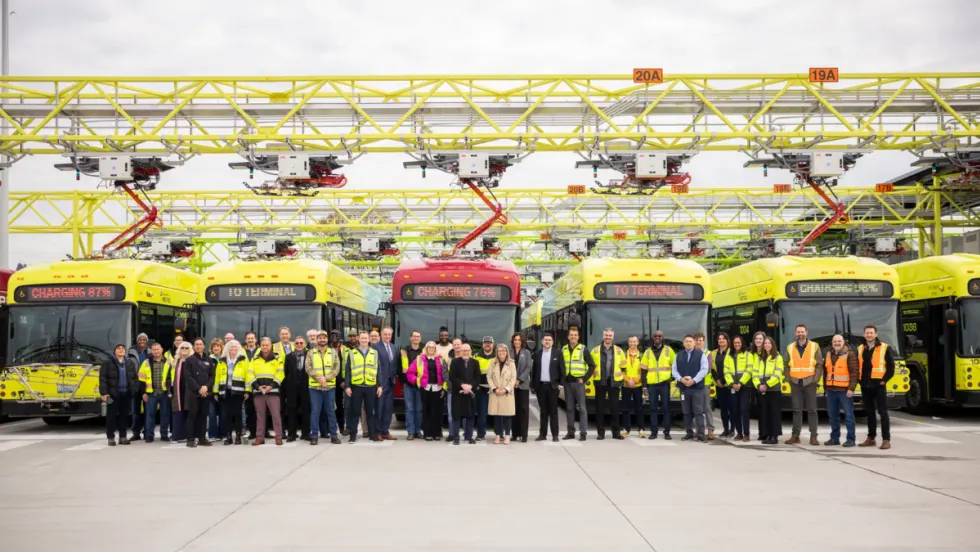
Seattle’s King County Metro Completes Construction of All-Electric Tukwila Bus Base
The 544,000-square-foot facility supports more than 120 battery-electric buses and currently serves five routes in Seattle and South King County.
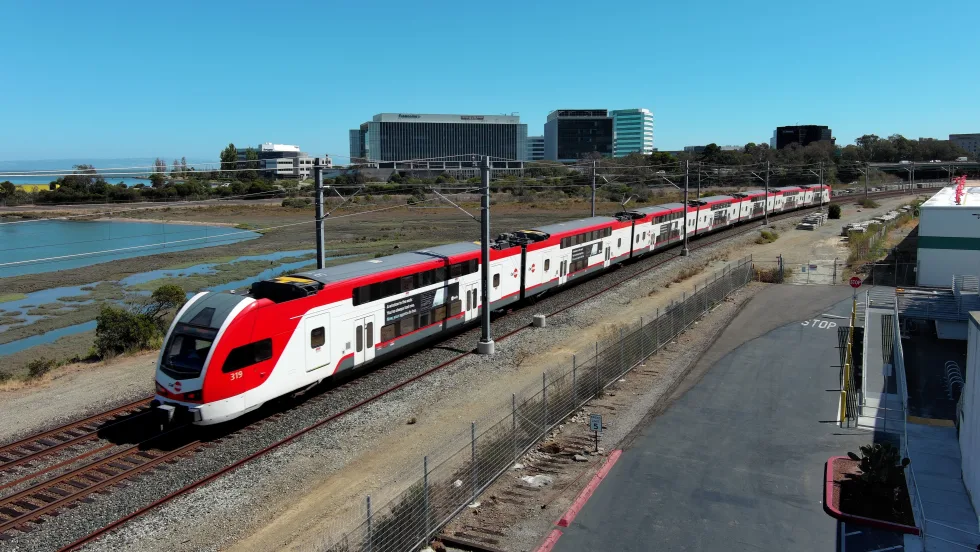
Caltrain’s Electrification Drives a New Era of Ridership Growth
The railroad’s shift to electric service has brought more frequent trains, stronger customer satisfaction, and increased ridership, earning it APTA’s Outstanding Public Transportation System award.
Building a Flexible Path to Transit Electrification with BAE's John Hroncich
John Hroncich discusses BAE Systems’ modular and scalable approach, lessons learned from decades of real-world operations, and how agencies can identify electrification strategies that fit their fleets.
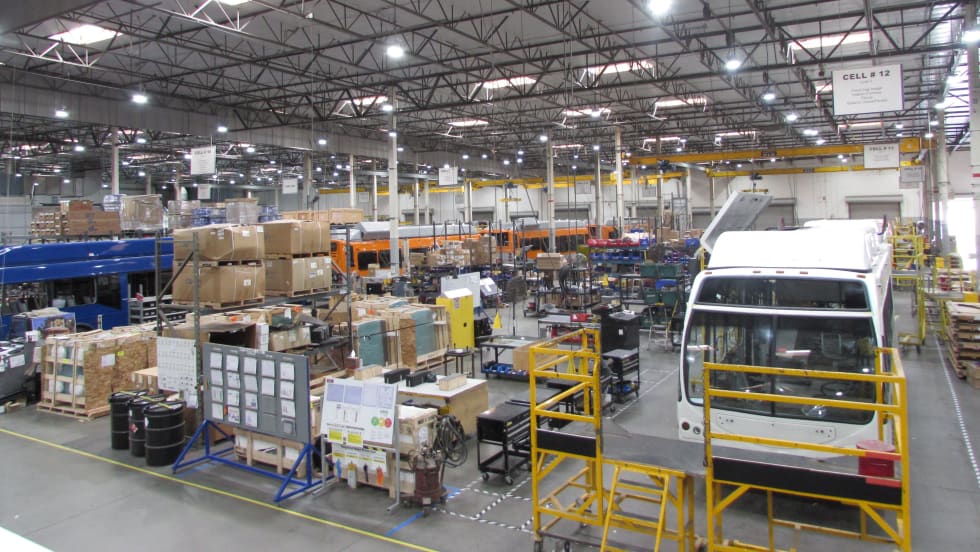
LA Metro Board Awards 220 Battery-Electric Bus Contract to ENC
The contract, which is the largest base award of battery-electric buses by a U.S. transit agency, will be built in Southern California, sustaining good jobs as LA prepares to welcome the world in 2028

Public Transit Conference Returning to GFX in 2027, Call for Papers Now Open
The Call for Papers is now open, allowing transit agency professionals and industry experts to help shape the PTC educational program by submitting session ideas for consideration.
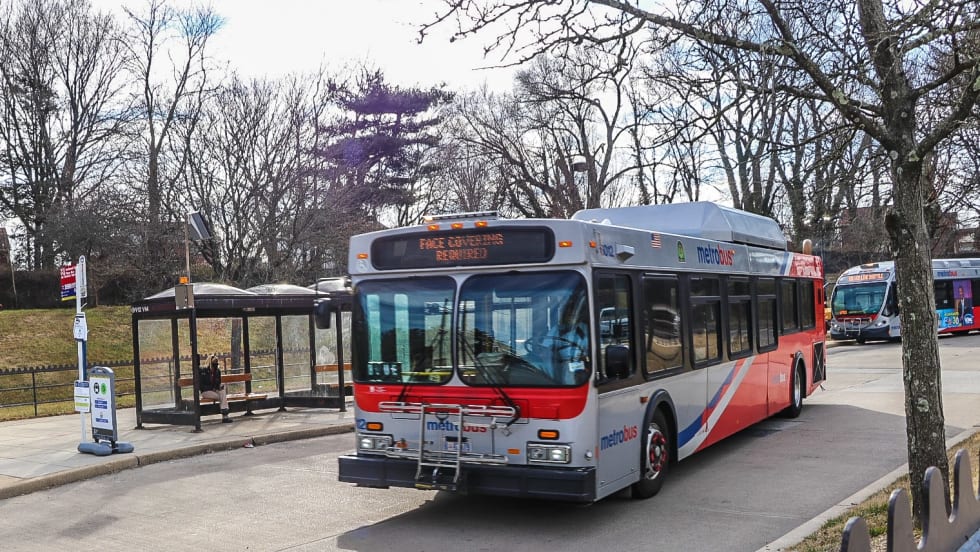
Report: Transit Bus Manufacturing Supports 34,100 Jobs, $5.1B in GDP
The “Buses Mean Business” report examines the transit bus manufacturing industry’s economic footprint, supply chain, and rising demand for vehicle replacements.
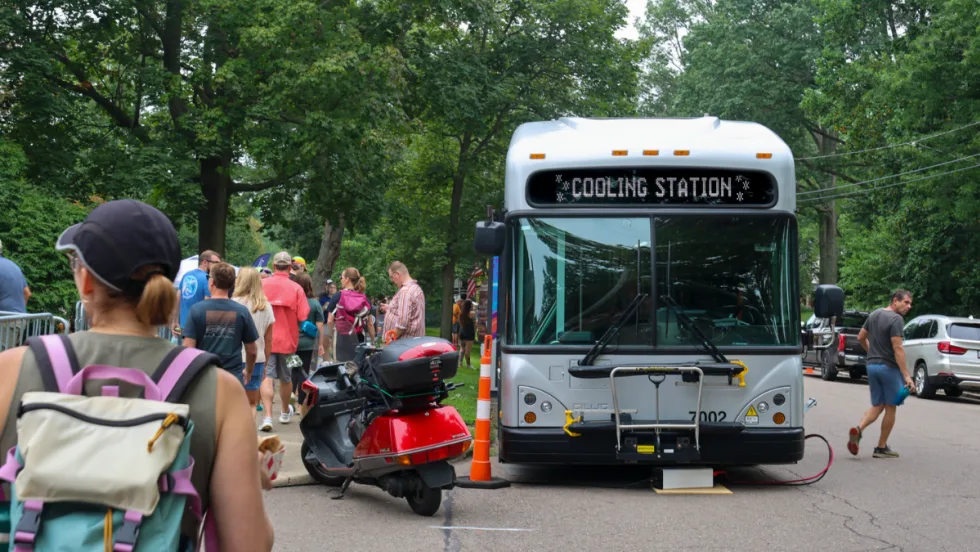
Ohio’s METRO RTA Turns Electric Buses into Mobile Power Sources at PorchROKR
See how three Gillig battery-electric buses powered festival stages while the agency’s new Park & Ride service carried approximately 1,000 attendees, demonstrating another potential use for transit agencies’ electric fleets.
CALSTART and Forth Combine to Form Catalyst Mobility
The new name represents a renewed vision for the nonprofit focused on advancing clean, equitable, and affordable transportation solutions that move people and goods.
Building a Flexible Path to Transit Electrification
John Hroncich discusses BAE Systems’ modular and scalable approach, lessons learned from decades of real-world operations, and how agencies can identify electrification strategies that fit their fleets.
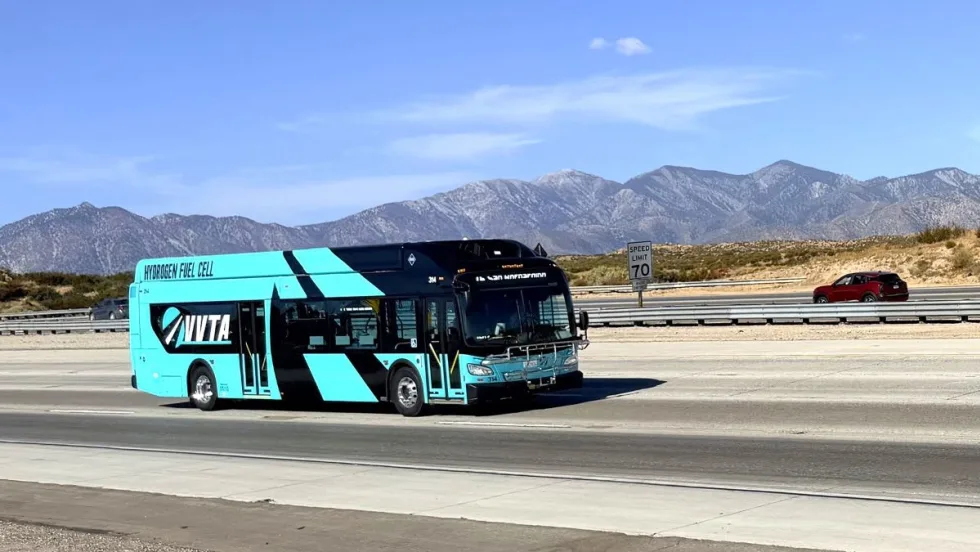
California's VVTA Begins Phased Rollout of Hydrogen Fuel Cell Buses
The agency is introducing 13 zero-emission buses into revenue service while evaluating performance across its urban, rural, and long-distance routes.