




Keep Reading: Best and Worst U.S. Cities for Public Transportation in 2026
Seattle’s King County Metro Completes Construction of All-Electric Tukwila Bus Base
The 544,000-square-foot facility supports more than 120 battery-electric buses and currently serves five routes in Seattle and South King County.
November 16, 2026
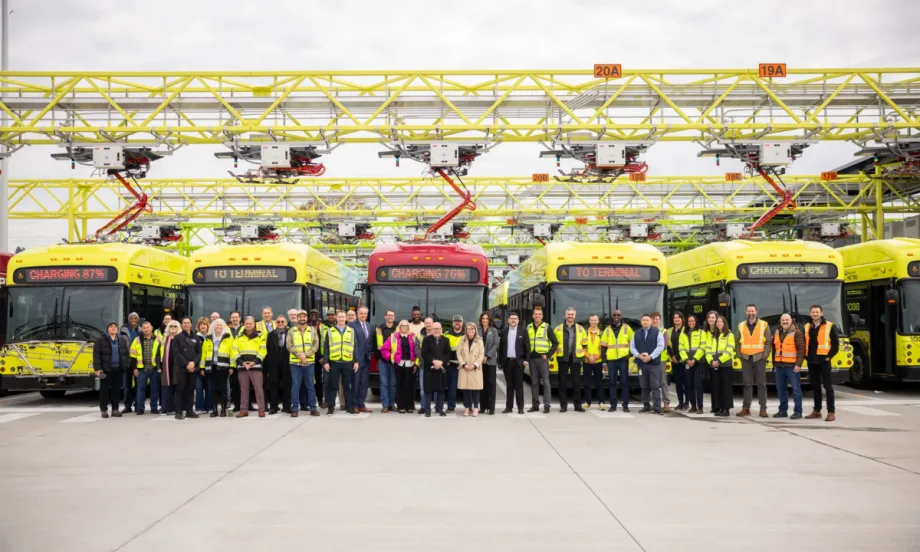
King County Metro said the transition to battery-electric buses is expected to reduce greenhouse gas emissions and improve air quality in communities served by Tukwila Base.
Credit:
King County Metro
3 min to read
King County Metro marked the completion of construction at its Tukwila Base during a November 4 event recognizing the companies and agencies involved in developing the facility.
The 544,000-square-foot facility is the only fully battery-electric bus base in Washington state and one of the largest in the country, the agency said. It houses maintenance facilities and charging infrastructure, like charging pantograph dispensers, for more than 120 battery-electric buses manufactured by New Flyer and GILLIG.
The base also accommodates zero-emission support vehicles, including electric sedans and utility carts used by Metro staff.
King County Metro General Manager Michelle Allison joined representatives from McKinstry, the project's general contractor, and other companies involved in designing, constructing, and equipping the facility for the event.
“Metro is lucky to be part of a county that is a national leader in reducing greenhouse gas and its impact on our climate. A deep thank you to the construction companies and agencies who helped build this base so we can follow through on our climate commitments,” Allison said. “Tukwila Base is the future of clean, regional transit that delivers service to our riders every day and is the next step in our journey toward completely zero-emission bus service.”
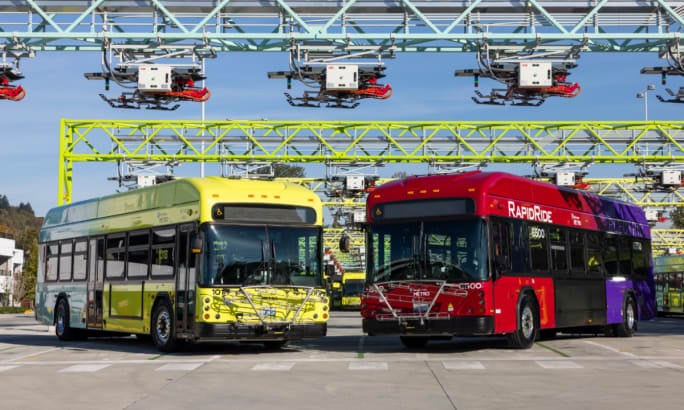
After a summer testing period, Tukwila Base now supports regular service on Routes 105, 128, 156, 184, and the RapidRide F Line.
Credit:
King County Metro
Supporting Metro's Fleet Electrification, Battery-Electric Buses Enter Service
The project builds on King County Metro's longstanding partnership with Seattle City Light, which supplies electricity for the facility. The two agencies have previously collaborated on electrical infrastructure supporting King County Metro’s fleet of 174 electric trolleybuses, including substation development throughout Seattle.
For Tukwila Base, the agencies coordinated to ensure sufficient electrical capacity to support battery-electric bus operations.
“We’re proud that the electricity powering this facility comes from a carbon-neutral power supply. By pairing clean electricity with zero-emission transit, we’re helping create cleaner air, quieter neighborhoods, and a more sustainable transportation system,” said David Logsdon, Seattle City Light’s director of electrification and strategic technology. “While this is a celebration of what we’ve built, it’s also a blueprint for what’s next. The lessons learned here will help guide future transit electrification projects across our region and continue to position Metro and City Light as leaders in the transition to cleaner transportation.”
The agency said the transition to battery-electric buses is expected to reduce greenhouse gas emissions and improve air quality in communities served by Tukwila Base, including areas of South King County that have historically experienced disproportionate air pollution impacts.
After a summer testing period, Tukwila Base now supports regular service on Routes 105, 128, 156, 184, and the RapidRide F Line. The routes serve communities in Seattle and south King County, with battery-electric buses operating in the agency’s yellow and seafoam blue livery, as well as the red and purple RapidRide colors.
More Zero Emissions

Caltrain’s Electrification Drives a New Era of Ridership Growth
The railroad’s shift to electric service has brought more frequent trains, stronger customer satisfaction, and increased ridership, earning it APTA’s Outstanding Public Transportation System award.
Read More →
Building a Flexible Path to Transit Electrification with BAE's John Hroncich
John Hroncich discusses BAE Systems’ modular and scalable approach, lessons learned from decades of real-world operations, and how agencies can identify electrification strategies that fit their fleets.
Read More →
LA Metro Board Awards 220 Battery-Electric Bus Contract to ENC
The contract, which is the largest base award of battery-electric buses by a U.S. transit agency, will be built in Southern California, sustaining good jobs as LA prepares to welcome the world in 2028
Read More →
Public Transit Conference Returning to GFX in 2027, Call for Papers Now Open
The Call for Papers is now open, allowing transit agency professionals and industry experts to help shape the PTC educational program by submitting session ideas for consideration.
Read More →
Report: Transit Bus Manufacturing Supports 34,100 Jobs, $5.1B in GDP
The “Buses Mean Business” report examines the transit bus manufacturing industry’s economic footprint, supply chain, and rising demand for vehicle replacements.
Read More →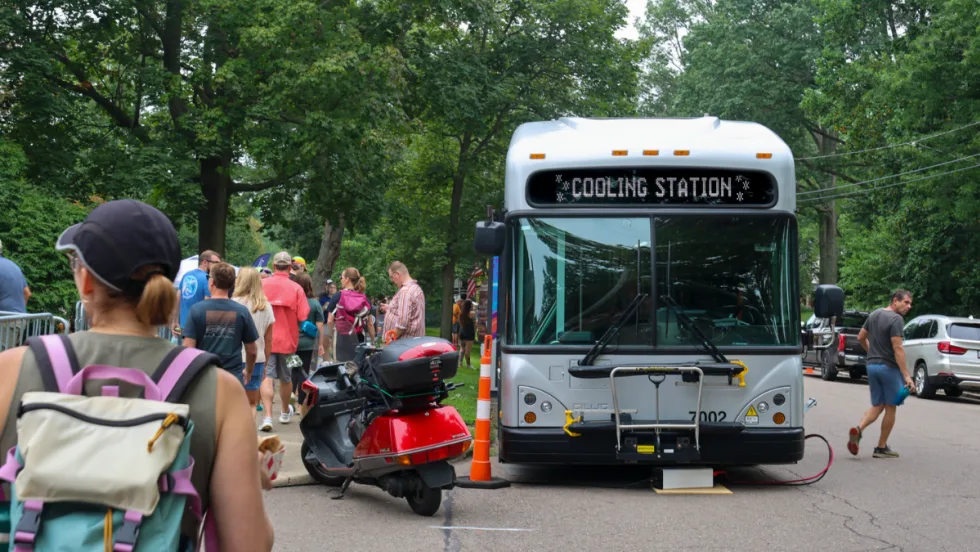
Ohio’s METRO RTA Turns Electric Buses into Mobile Power Sources at PorchROKR
See how three Gillig battery-electric buses powered festival stages while the agency’s new Park & Ride service carried approximately 1,000 attendees, demonstrating another potential use for transit agencies’ electric fleets.
Read More →
CALSTART and Forth Combine to Form Catalyst Mobility
The new name represents a renewed vision for the nonprofit focused on advancing clean, equitable, and affordable transportation solutions that move people and goods.
Read More →
Building a Flexible Path to Transit Electrification
John Hroncich discusses BAE Systems’ modular and scalable approach, lessons learned from decades of real-world operations, and how agencies can identify electrification strategies that fit their fleets.
Read More →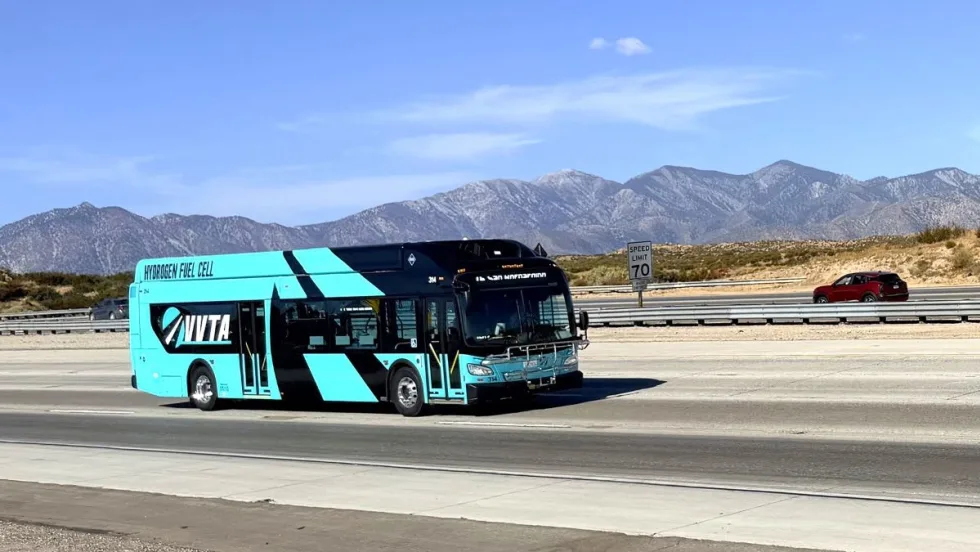
California's VVTA Begins Phased Rollout of Hydrogen Fuel Cell Buses
The agency is introducing 13 zero-emission buses into revenue service while evaluating performance across its urban, rural, and long-distance routes.
Read More →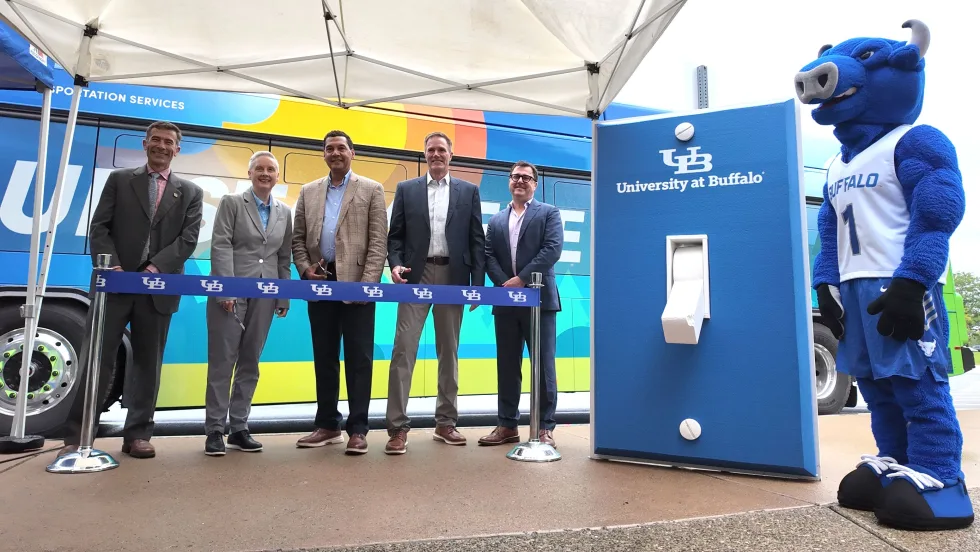
Inside Look: University at Buffalo Puts First 8 Electric Buses Into Stampede Service
UB, transportation solutions provider WeDriveU, and fleet electrification specialist Zenobē marked the deployment in the presence of students, university administrators, and local officials.
Read More →