



Meeting and Exceeding New FTA Grant Requirements for Zero-Emission Transition Plans
As agencies look to make the move to an electrified future, there are steps that need to be negotiated until that dream becomes a reality.
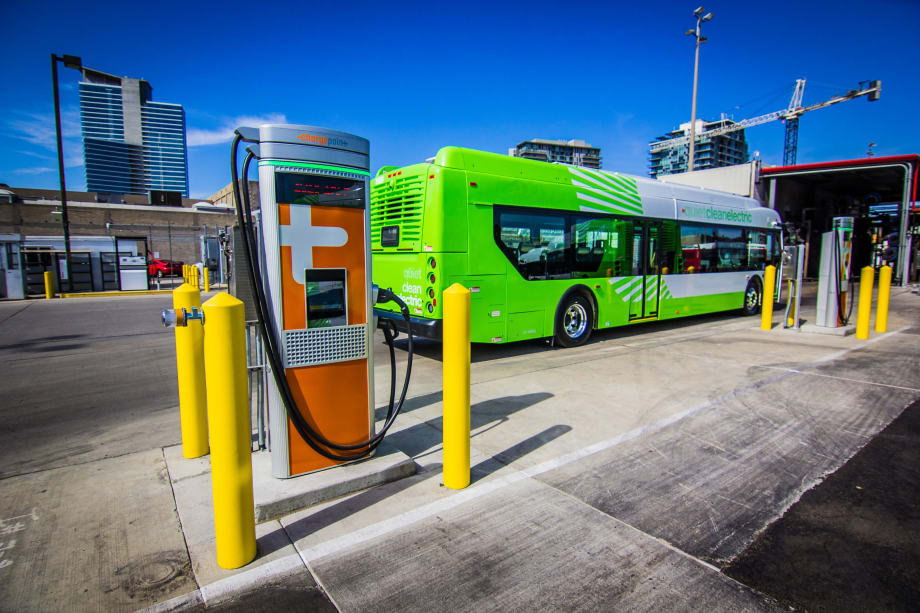
Future funding amounts according to the FTA. Amounts include authorized future funding from the Mass Transit Account of the Highway Trust Fund and advance annual appropriations.
All Photos Courtesy HDR
Recently, the Federal Transit Administration (FTA) announced bold steps to accelerate the transition toward zero-emission vehicles with new requirements.
The Bipartisan Infrastructure Law, enacted by the Infrastructure Investment and Jobs Act, amended statutory provisions to include the requirement that any grant application for transit projects related to zero-emission vehicles include a Zero-Emission Transition Plan.
These new plans will consolidate necessary pieces of information required by the FTA into a single document for the purpose of applying for federal funding through upcoming grants from the Buses and Bus Facilities and Low or No Emission Programs.
Together, the grants could provide nearly $11 billion in funding from 2022 through 2026.
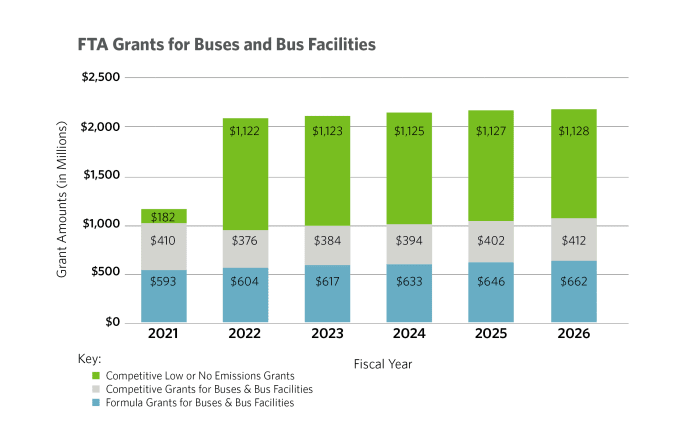
Future funding amounts according to the FTA. Amounts include authorized future funding from the Mass Transit Account of the Highway Trust Fund and advance annual appropriations.
Meeting New Requirements
There are several requirements that a Zero-Emission Transition Plan must address, and many of these are new for agencies who have not yet started their zero-emission transition planning.
Thankfully, the cost of developing a transition plan is an eligible expense under the Section 5303 Planning, Section 5307 Urbanized Area, and Section 5311 Rural Area formula programs.
While it is necessary to meet the FTA’s new minimum requirements for projects relating to zero-emission vehicles, agencies should aim to exceed minimal requirements.
These programs have historically been over-subscribed, and to stand out from the competition, agencies should seek a competitive advantage in as many areas as possible.
The following explains the six main components that the FTA called for in these Zero Emission Transition Plans as well as a few ways agencies can meet and exceed these new requirements.
Fleet Management Plan and Strategy: It’s now time for agencies to specifically outline how zero-emission fleets and supporting infrastructure factor into existing fleet management plans. Agencies must clearly describe how requests for federal funding support the short- and long-term transition actions toward a zero-emission fleet. This new step requires that agencies go beyond just expressing an interest in testing or piloting new technology vehicles, into a long-term management and financial plan for transitioning fleets to zero emissions. One quick way to get started with this requirement is to assess your current routes to determine which are immediately amenable to conversion, which will require additional vehicles, and those that will need to be reconfigured or wait until technologies improve.
Financial Resource Availability: On top of the great financial stewardship already underway, agencies need to further analyze the availability of current and future financial resources to meet anticipated increased capital costs for zero-emissions transition and implementation activities. As new zero-emission infrastructure is phased in over time, annual capital cost estimates for conversion and associated charging or fueling equipment must be updated alongside anticipated utility infrastructure investment needs. The financial resource analysis needs to be comprehensive in nature, including all available local funds, existing revenue sources previously programmed in metropolitan or state transportation improvement programs, anticipated grant applications if awarded, and the potential use of incentive programs and rebates available for zero-emission fleet and infrastructure.
Policy and Legislative Impacts: A thorough review of existing local, state, and federal policies and legislative requirements should occur to demonstrate how the agency’s transition plan will address these conditions. In addition to existing policy and legislative requirements, agency governmental affairs leadership, any contracted resources, and immediate communities of interest to the agency should also be consulted specific to upcoming legislative sessions to fund technology transitions and reduce emissions.
Facility Evaluations: In addition to vehicle needs, the zero-emission transition plan will define infrastructure and equipment needs to support the vehicles, and associated changes to existing maintenance facilities. Evaluations should include physical condition assessments, fleet size and parking configurations, power supply space requirements, electric vehicle supply equipment (EVSE), hydrogen generation or storage infrastructure, related safety requirements, and operating impacts to facility properties. Virtual or in-person tours should complement facility blueprints and as-builts to ensure accurate facility evaluations. It’s important to remember facilities may be used during a transition period as well, so evaluations should consider whether space and equipment will be sufficient to maintain a mix of current and new vehicles.
Utility and Fuel Partnerships: In addition to describing current relationships in place with utility and fuel providers, transit agencies should focus on commitments being made alongside these crucial partners. Close coordination is necessary to plan utility and fuel upgrades that meet anticipated future needs. Utility and fuel partners need a healthy lead time to plan alongside transit agencies in forecasting future power needs and grid modernization upgrades for electric vehicles, fuel delivery, and storage for alternative fuel vehicles. Time will also be needed for coordination with regulatory commissions to ensure that necessary tools are in place to support to zero-emission transitions. Developing a formal engagement plan with utilities is highly recommended, including regular communication opportunities like joint task forces and routine meetings. Some utilities, such as the Tennessee Valley Authority, may have an existing electric vehicle program that should also be explored.
Workforce Impacts: Agencies should conduct interviews with frontline workers, vehicle operators, and maintainers to fully understand their existing workforce experience. Focus areas for operators should cover familiarity with operating pilot test vehicles, operator new hire and refresher training, zero-emission charging and fueling activities and procedures, and emergency response activities related to operating zero-emission vehicles. Maintenance workers will likely need to be retrained to maintain zero-emission vehicles and charging and distribution equipment, and staff will need training in charging and fueling equipment acquisition, personal protective equipment, and emergency response activities. As a transition takes place, some personnel roles are likely to shift. For instance, safety and fire suppression concerns are different with electric vehicles than internal combustion, so a safety officer will be needed who is specifically trained on chemical fires.
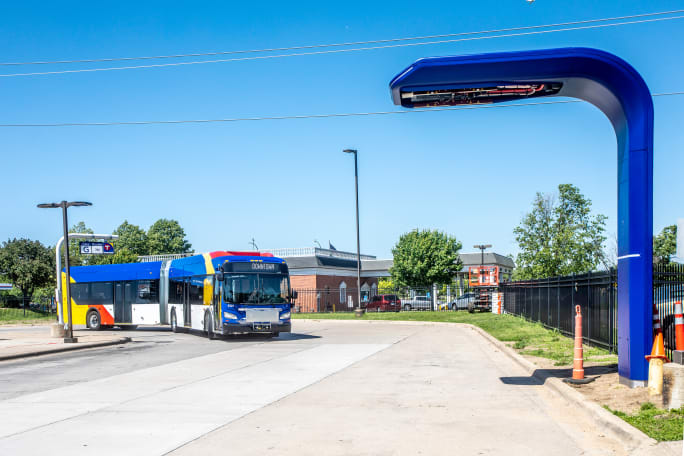
Depending on how much work agencies have already completed, gathering the FTA’s requiredinformation into a complianttransition plan may take anywhere from a few weeks to many months.
Collaborating to Speed the Transition
Many transit agencies have already begun responding to regulatory, societal, economic, or environmental concerns by exploring a transition to zero-emission vehicles. In Kitsap County, Wash., for instance, a formal transition plan has assisted Kitsap Transit as they pursue a phased transition. In San Mateo County, Calif., a detailed analysis of needs led to a managed charging approach that assigns multiple SamTrans buses to a single charger based on priority and schedule, with the potential of saving hundreds of thousands of dollars each month. And in Los Angeles, LADOT is designing and constructing a new maintenance facility specifically dedicated to electric buses.
Depending on how much work agencies have already completed, gathering the FTA’s required information into a compliant transition plan may take anywhere from a few weeks to many months.
Those wishing to complete it faster and gain access to federal grants as soon as possible might need to consult outside help to speed the process and leverage federal funding available to complete the plans.
Cleaner transit buses reflect a global trend to modernize transit agency fleets, reduce greenhouse-gas emissions, and provide an environmental-friendly option for all transit customers, including the historically disadvantaged communities they serve.
The introduction of new technologies brings near term and long-range challenges to a transit agency’s operations, infrastructure, workforce development, and financial performance.
As an industry with a strong and capable track record of delivering essential services that connect people with their communities, together we are ready to meet this new challenge.
New industry tools such as emission estimators, electric vehicle performance and status models, and other similar tools can be applied to quickly meet the new requirements outlined in the law. Transit agencies looking to quickly advance their programs should leverage these tools to develop their transition plans.
About the Author: Jeff Owen is a mobility project manager; Eric Rouse is a principal consultant; and Rob Mowat directs the zero-emissions mobility practice at HDR.
More Zero Emissions
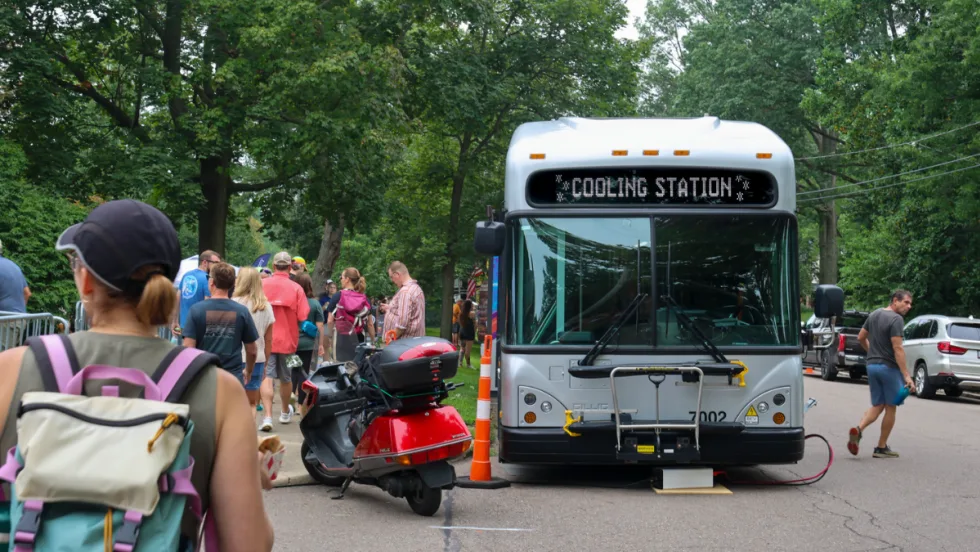
Ohio’s METRO RTA Turns Electric Buses into Mobile Power Sources at PorchROKR
See how three Gillig battery-electric buses powered festival stages while the agency’s new Park & Ride service carried approximately 1,000 attendees, demonstrating another potential use for transit agencies’ electric fleets.
Read More →
CALSTART and Forth Combine to Form Catalyst Mobility
The new name represents a renewed vision for the nonprofit focused on advancing clean, equitable, and affordable transportation solutions that move people and goods.
Read More →
Building a Flexible Path to Transit Electrification
John Hroncich discusses BAE Systems’ modular and scalable approach, lessons learned from decades of real-world operations, and how agencies can identify electrification strategies that fit their fleets.
Read More →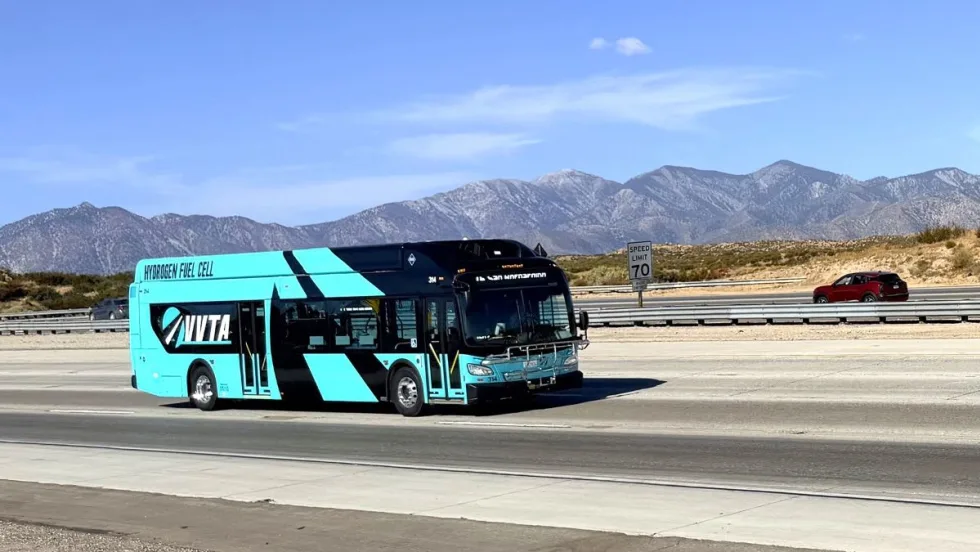
California's VVTA Begins Phased Rollout of Hydrogen Fuel Cell Buses
The agency is introducing 13 zero-emission buses into revenue service while evaluating performance across its urban, rural, and long-distance routes.
Read More →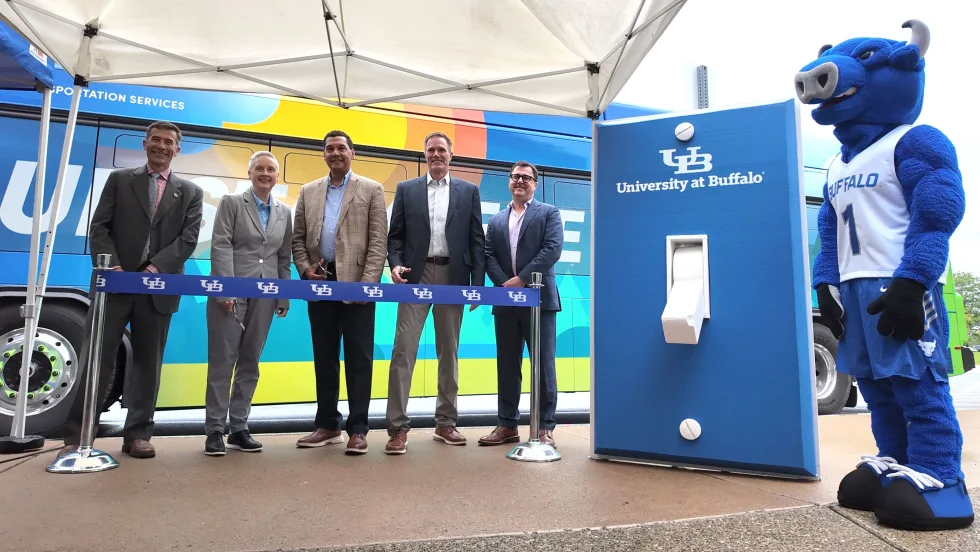
Inside Look: University at Buffalo Puts First 8 Electric Buses Into Stampede Service
UB, transportation solutions provider WeDriveU, and fleet electrification specialist Zenobē marked the deployment in the presence of students, university administrators, and local officials.
Read More →
Biz Briefs: OCTA Taps Clean Energy for Hydrogen Station, Stadler to Supply Via Rail Vehicles, and More
From manufacturers and suppliers to transit agencies and motorcoach operators, these updates offer a snapshot of the projects, partnerships and business moves driving the industry forward.
Read More →
AC Transit’s Cecil Blandon on Building the Next Generation of Transit Maintenance Leaders
The agency’s maintenance chief discusses leadership, workforce development, zero-emission technology, and preparing technicians for the future of public transportation.
Read More →
CTDOT Taps STV for Electric Bus Facility Design
The firm will work with CTDOT and RVT to define the facility layout, operational requirements, and long-term flexibility for RVT’s growing electric fleet.
Read More →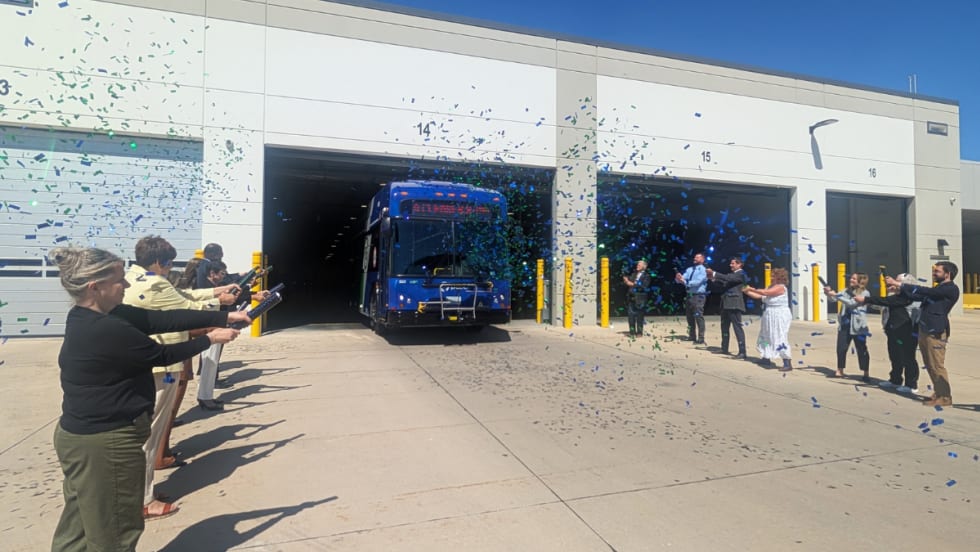
Chicago’s Pace Deploys 24 Hybrid-Electric Buses in Will County
The new buses reduce emissions and fuel consumption while advancing the agency's long-term goal of transitioning to a fully zero-emission fleet.
Read More →
DASH Breaks Ground on First On-Route Electric Bus Chargers in D.C. Region
The fast-charging infrastructure will help extend electric bus range, improve fleet utilization, and support DASH's goal of transitioning to a fully zero-emission fleet.
Read More →