



3 Tips for Getting the Most of Meetings
Don’t you love a long and boring meeting at work? Probably not. I have spent a lot of my 30 years in business and government in such business meetings.


Photo by rawpixel.com from Pexels

Photo by rawpixel.com from Pexels
This is an excerpt from the new book — Full Throttle - Living Life and Your Career to the Max with No Regrets — by Paul Comfort and nine other transit CEO's telling inspirational and informative stories in their own voice from their lives and careers — available now on Amazon. Paul also hosts the top ranking public transportation CEO interview podcast Transit Unplugged.
WE MEET AND TALK A LOT
Don’t you love a long and boring meeting at work? Probably not. I have spent a lot of my 30 years in business and government in such business meetings. They are unnecessary, unproductive, and unwise.
When I worked in Washington, D.C., for a company with a contract to run the ADA paratransit service for the Washington Metropolitan Area Transit Authority (WMATA) there used to be a standing joke that the acronym WMATA really meant “We Meet And Talk A Lot.” We would have weekly and monthly meetings with our client’s senior staff. Then, we would hold our own staff meetings (sometimes to prepare for the client meetings). Also, we would hold regular meetings with subcontractors, monthly safety meetings, driver meetings, quality assurance meetings, finance review meetings….you get the drift.
Some of my other jobs have had similar issues with “meeting-itis” as I call it. At my County Administrator position in Charles County, Maryland, and when I served as MTA Administrator/CEO, I usually went from morning to late afternoon from one meeting to another with literally no breaks except for maybe a brief lunch. I had to schedule time with my assistant to schedule my time. Is this the way it has to be? And, how can you make meetings more face paced, interesting, and productive?
Some meetings are necessary. A busy executive usually needs regular staff meetings. My staff meetings were for my direct reports to share updates on key issues, ask for help with challenges, and for me to provide intel and give clear directions with timelines. I also often met monthly with the other senior and second level management teams to share vision and provide leadership or management training.
I suggest you try to reduce the number of meetings, or keep them as short as possible, with a clear agenda and prepared presenters. If a meeting can be eliminated through sharing info in an email or by simply walking to several associates’ offices and getting the needed info — then you should do so.
My three secrets to making meetings something people actually look forward to are:
Set everyone’s expectations accordingly.
If this is a regular weekly or monthly staff meeting, be sure everyone knows what’s expected of them. Are they to give a three to four minute update on their top three projects and share one major problem for group discussion? Then make sure everyone knows to be prepared, with handouts if necessary. Hold managers accountable if they are not prepared. A little embarrassment in front of their peers the first time they are not ready to report usually will resolve the issue and they will be ready next time. If it’s a “one-off” meeting called to discuss an urgent matter, you should have a printed agenda, even if only on the white board, with key items listed and let attendees know up front what this meeting is about and what’s expected from it. If the meeting is scheduled for an hour, keep it to that time, unless absolutely necessary to go longer.
Give assignments at staff meetings and provide a timeline for results.
For example, “Tom, I need you to contact the city and find out if they are willing to waive their normal permit fees for placing a bus shelter at First and McCormick Streets. This shelter was requested through the Mayor’s office and so I think they should be willing to provide a fee waiver or pay it themselves. Please have the answer by our regular meeting next Friday or email it to me sooner if you can.”
Too many leaders seem afraid or unwilling to clearly spell out what’s expected and provide a deadline to their subordinates at staff meetings. Thus, these gatherings become simply a stagnant pond of reporting with no real stream of action coming from them. These are often the worst experiences of the day for attendees because they leave feeling like they’ve wasted their time.
Meetings need to produce progress. Team members should feel momentum coming out of the meeting with clear tasks, timelines, and direction, helping them stay focused on the key assignments needed to fulfill the mission of the agency.
If you only make this one change you will improve your staff meetings dramatically and they will become much more useful and enjoyable for your team.
Let everyone participate.
I’ve been part of staff meetings that lasted the better of a day that really only consisted of the boss asking individual staff members very specific questions that had little to do with the rest of the team members present. We all brought our laptops and busied ourselves with emails and reports waiting for our turn. Is this the most productive use of everyone’s time? I think not.
To keep the meeting interesting and relevant, let the others present participate. There is a time for executive direction but it shouldn’t dominate every meeting. When your team members can share what they are working on, it keeps them engaged and makes the senior executives more aware of what is really happening. While many meetings are an “occupational hazard” and needed for fully functioning teams, you should work to keep them productive and interesting. Try it at your next meeting and see if you get better results.
Paul Comfort is VP, business development with Trapeze Group.
More Blog Posts
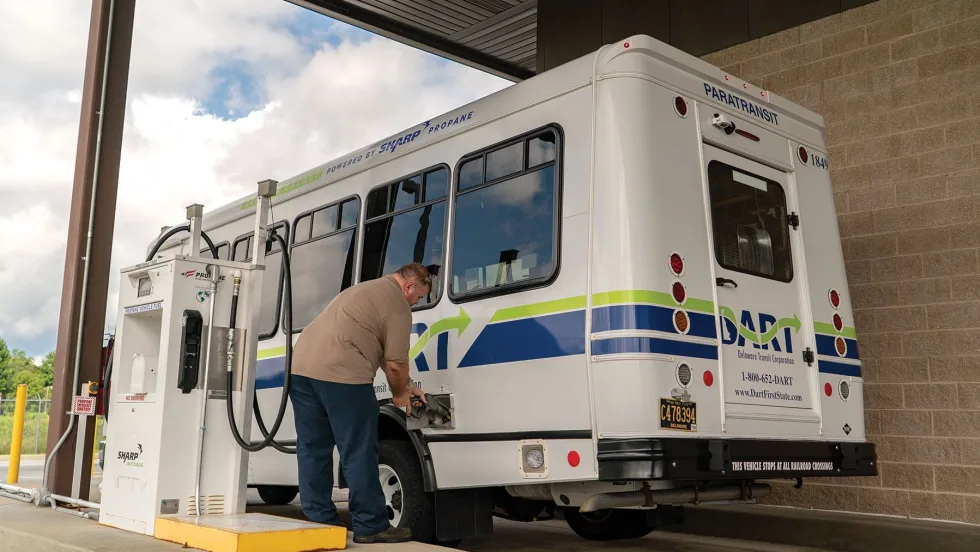
Building a Winning FTA Grant Proposal: Why Propane Autogas is the Pragmatic Choice for Fleet Resilience
With $610 million available through the FY 2026 Buses and Bus Facilities Competitive Program and the Low or No Emission Grant Program, agencies must build a compelling case before the September 21 deadline that balances environmental compliance with operational feasibility.
Read More →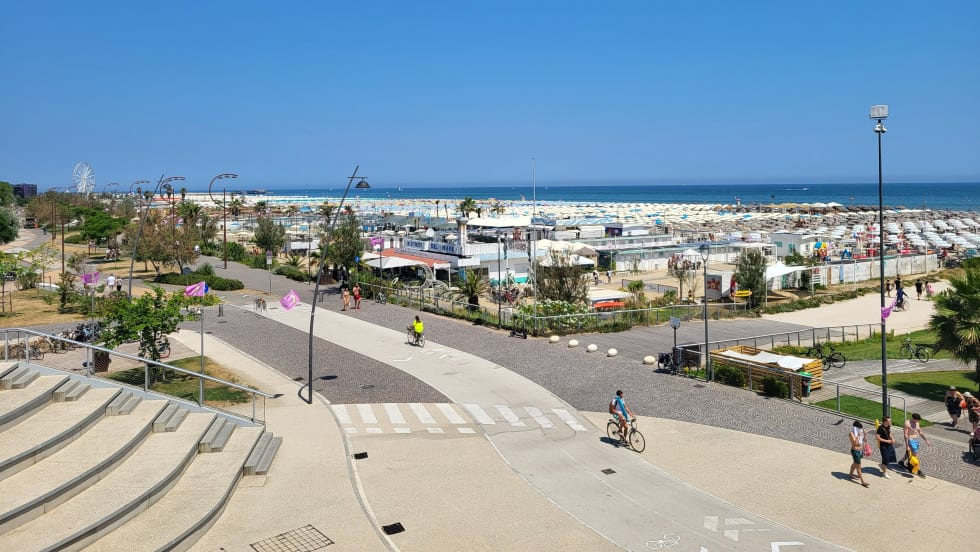
Velo-city Conference 2026: Latest Trends in Cycling as Part of Urban Mobility
The global cycling conference highlighted how cities are integrating bicycles into multimodal transportation networks, expanding cycle tourism and reshaping urban mobility.
Read More →
Kindness Isn’t Soft...It’s Strategic.
Mike Bismeyer — often known as “The Kindness Guy” — has spent more than 17 years in public transit and mobility, serving in industry leadership roles, speaking across North America, and advocating for stronger workplace cultures. But his message doesn’t come from theory. It comes from lived experience.
Read More →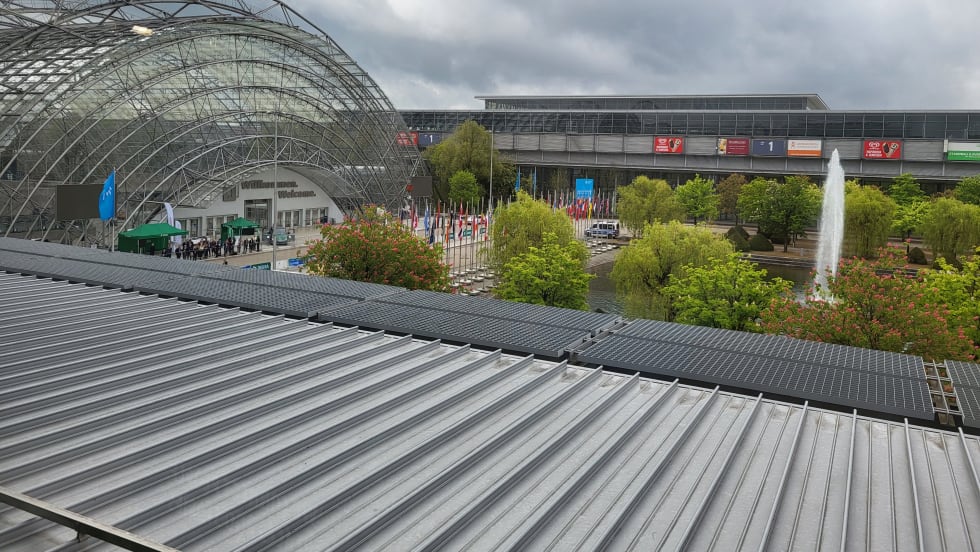
Inside ITF 2026: Transport Reacts to A Challenging World
Transport leaders from around the world gathered in Leipzig, Germany, for the 2026 International Transport Forum to discuss resilience, climate impacts, supply chains and the future of sustainable mobility.
Read More →
Every Ride Tells a Story — But You’re Not Just Selling the Ride
You’re selling the moment, the meaning, and the emotion behind it.
Read More →
How Digital Signage is Reshaping the Traveler Experience at Transportation Hubs
What was once a landscape of static signs has evolved into a responsive, immersive environment powered by real-time visual communication.
Read More →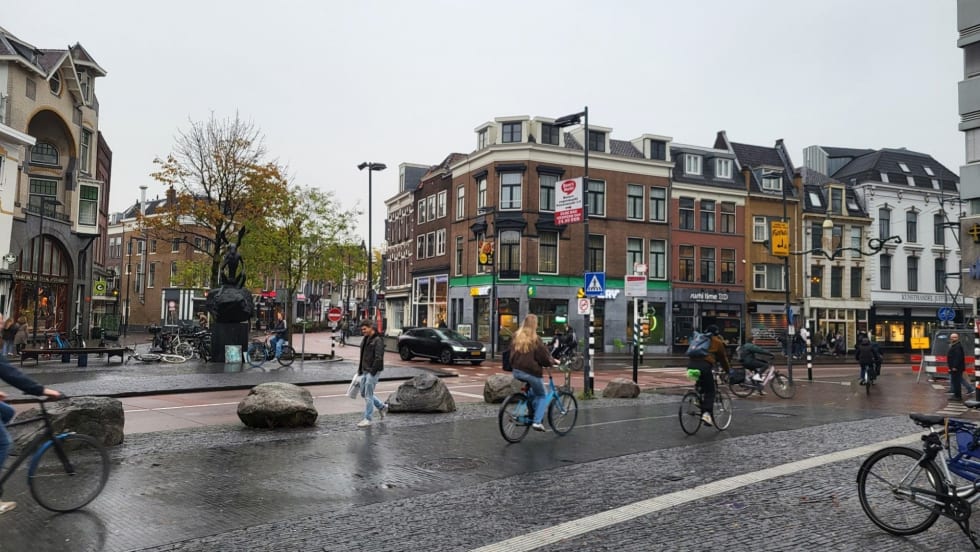
Latest Trends in Urban Mobility from Polis Conference 2025
Polis comprises cities and regions, as well as corporate partners, from across Europe, promoting the development and implementation of sustainable mobility. This year’s event had over a thousand attendees across various policy forums and an exhibition.
Read More →
Why Transit Leaders Require Better Tools for Operational Clarity In Today’s Tech-Fragmented Environment
Across North America and beyond, transit agency officials are contending with a perfect storm of operational headaches and strategic challenges that hamper daily service and long-term progress.
Read More →
The Powerless Brokers: Why California Can’t Build Transit
It is no secret that transit in the U.S. is slow and expensive to build.
Read More →
Why Transport Sustainability Should Focus on People Instead of Cars
Simply incentivizing electrification is not enough to make a meaningful impact; we must shift our focus toward prioritizing public transportation and infrastructure.
Read More →