



5 Ways Effective Program Management Supports Project Owners
It’s critical that the owner’s representative on mega projects be a good listener and ready to build consensus.


Having the owner’s best interests in mind may sound simple, but there is a lot that goes into it — from understanding the fiscal responsibility of the project to having the right mix of professionals.
CHSRA
I’m a big Los Angeles Angels fan and, under normal circumstances, love going to games. Of course, tickets to major sporting events aren’t cheap. So, an important question is: where do you sit — behind home plate or in the bleachers?
The answer helps determine if I’m getting my money’s worth. Am I getting what I’m paying for? (You don’t pay premium prices for bleacher seats.)
I feel the same way when I’m at work. I’ve spent the past 25 years working in program management — either as an employee of the project owner or, as I do now, a consultant hired to assist the owner. When you’re talking about mega projects — usually $500 million to $1 billion or more — getting what you’re paying for is a multimillion-dollar issue.
And, usually, these are public projects. Those millions and billions of dollars ultimately belong to the taxpayers. Serving as the owner’s representative overseeing design and construction is a big responsibility. I like to call myself a “pseudo-consultant” since I’m an ex-owner. My mentality is to always have the owner’s best interests in mind.
Having the owner’s best interests in mind may sound simple, but there is a lot that goes into it. From understanding the fiscal responsibility of the project to having the right mix of professionals on our team and, ultimately, to building consensus, they’re all critical.
These huge projects are always moving and evolving. I liken it to building a plane while it’s taking off. To successfully support the owner and make sure the project not only gets off the ground but arrives successfully at its destination, I’ve discovered it’s important to focus on the five key elements outlined below.
1. Adapting to change
Most of these mega projects are also mega-long projects — five years or more. When you’re working on a single project for that timeframe, you must expect change.
For example, when working on the ongoing California High Speed Rail Authority (CHSRA) project’s construction packages 2-3 through the Central Valley, we had to overcome challenges from one of the local counties. The original designs were protested locally. Clearly, a change was needed, and our team listened and collaborated to find a solution.
How did we adapt? Our team developed many design concepts seeking the solutions that would impact the schedule the least. Those concepts are the basis for a settlement where we implemented the redesign of three grade separations and one 6,500-foot high-speed railway viaduct.
Why was it successful? We weren’t married to one concept or design. These projects are going to impact the community, so it’s our responsibility to listen and come to a compromise with those community members.
2. Maintaining 100% dedication
For these large and lengthy projects, consistency is critical.
I liken it to baseball. For a professional baseball player, a routine ground ball is just that — routine. A pro makes that play day after day, but if their head isn’t in the game that ground ball could go right through their legs.
For a program management team, if our head isn’t in the game, we might drop the ball. And the costs are significant.
Owners need a team that is mentally committed to the everyday grind of their project. Generally, they want us in their office. They want the “team,” which includes members of the client’s team and ours, to be one team. Our part of that team needs to stay consistent and 100% invested in the project. I’ll be honest, program management work isn’t for everyone.
I had one recent project where the client’s project manager and associated staff changed four times over the course of five years. Facing that much turnover requires our team to be uber-diligent, adapting to the changing project dynamics. Back to baseball: does that ground ball take a last-second bounce? It’s critical to keep your eye on the ball and never give up on the play.
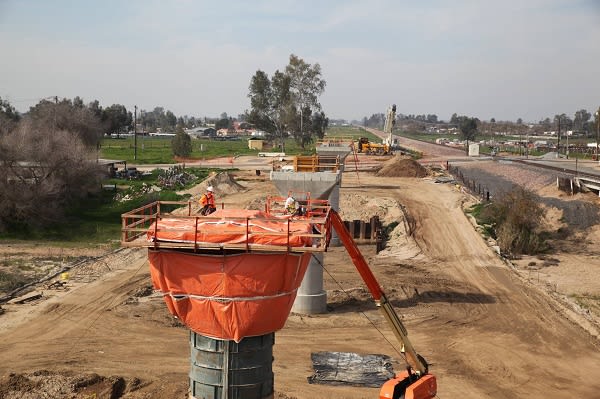
It’s critical to not only have technical experts but also team members who know and understand the contractual requirements.
CHSRA
3. Knowing one another’s strengths
The old saying “time is money” is especially true on mega projects where program management is implemented. It’s critical that we resolve issues quickly. That begins with knowing our team’s strengths.
One example could be if we’re presented with gaps in preliminary engineering; it’s the program management team’s responsibility to help resolve the issues. To do that successfully and speedily, it’s critical that the team have the right mix. (You don’t need two shortstops and no left fielders.)
Generally, the team has several core oversight disciplines — design, construction, project controls, risk management, and environmental. They are part of the day-to-day team, but there are times when we need a subject matter expert (SME). Going back to my baseball analogy…you need a pinch hitter. You bring a SME to resolve that special challenge before you can move on. Once the challenge is overcome, the SME goes back to his or her regular work until the expertise is needed again.
But even the regular team has varying strengths and weaknesses. For instance, perhaps we have our #1 civil engineer assigned to this team. But utilities aren’t her strength. So, we add bench depth with someone who specializes in utilities.
And always remember we’re representing the owner. It’s critical that we not only have technical experts but also team members who know and understand the contractual requirements. That contract drives the project, and we must know it front and back.
4. Employing efficient processes
Program management on huge projects is often about the little things. The “little things” include knowing where all the project documents are at all times. It may seem simple, but it requires efficiency.
For instance on the CHSRA project, our team concurrently managed 150 major design packages and more than 500 utility packages. To keep that volume of deliverables well-organized and moving — including reviews and comments by multiple independent/outside stakeholders throughout the design progression — required a unique focus on traceability. Knowing who had the documents, who had reviewed them, and what was needed next helped keep the project efficiently moving toward construction.
5. Anticipating the unexpected
Program management of mega projects means being ready for anything. It’s more than just being ready — it’s anticipating what’s unexpected.
It’s somewhat like driving your car through your neighborhood. You glance in the rearview mirror from time to time but your eyes are looking ahead through the windshield. And you’re always ready for someone parked alongside the roadway to open their door at the last minute. Or a bicycle — or child — to pop out of a driveway. You’re anticipating what very likely could happen.
With proper experience, it’s easier to have foresight.
A good example was when our team’s coordination for PG&E transmission relocations on the CHSRA project helped eliminate potential overlap or rework at three future traction power switching stations. By anticipating and overcoming potential challenges, as well as running “what if” scenarios through constructability checks, we saved more than $5 million by mitigating potential scope increases from future systems contract work.
Coming to a consensus
Previously, I mentioned the need to keep in mind the owner’s best interests. That’s the bottom line in program management. And understanding the owner is representing their community means that finding consensus among a variety of stakeholders is critical.
It’s also critical that our program management team functions with the larger team as “one team.” Yes, the owner, program manager, designer, contractor, and community will all have different wants and needs, but a collaborative approach is critical. And program management can really help drive that approach.
Not everyone is going to agree, but how can we get to a positive compromise solution? Program management is a continuous negotiation between the owner, contractor, and community. And community members don’t want to be preached at, they want to have a reasonable say in the process.
When a program management team focuses on the five elements outlined above — and truly understands the community’s perspective — the project is in the best position to succeed. And that’s when I feel like I’ve hit a home run.
Jose de Jesus Martinez has extensive experience with everything from smaller designs and studies to complex mega programs for transportation infrastructure projects. He’s based in Stantec’s Irvine, CA office.
More Blog Posts
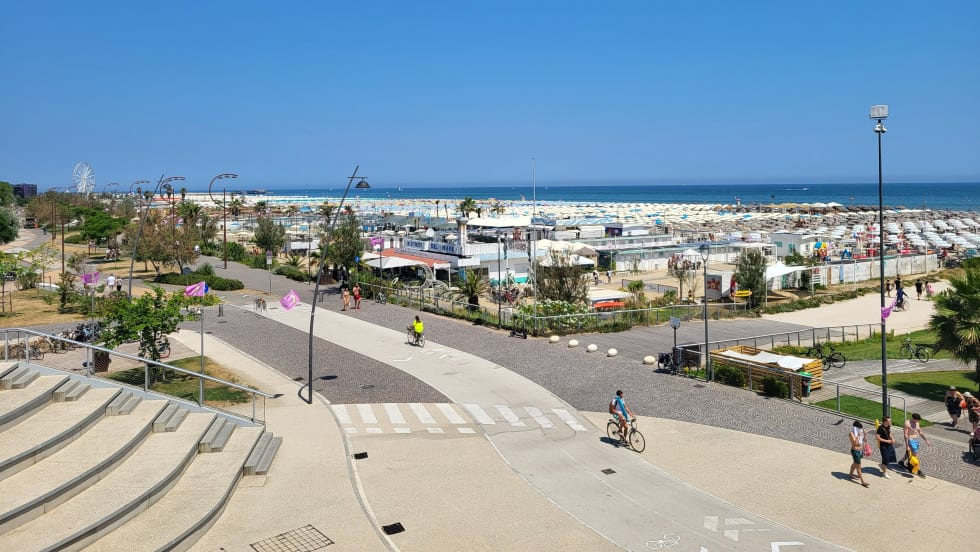
Velo-city Conference 2026: Latest Trends in Cycling as Part of Urban Mobility
The global cycling conference highlighted how cities are integrating bicycles into multimodal transportation networks, expanding cycle tourism and reshaping urban mobility.
Read More →
Kindness Isn’t Soft...It’s Strategic.
Mike Bismeyer — often known as “The Kindness Guy” — has spent more than 17 years in public transit and mobility, serving in industry leadership roles, speaking across North America, and advocating for stronger workplace cultures. But his message doesn’t come from theory. It comes from lived experience.
Read More →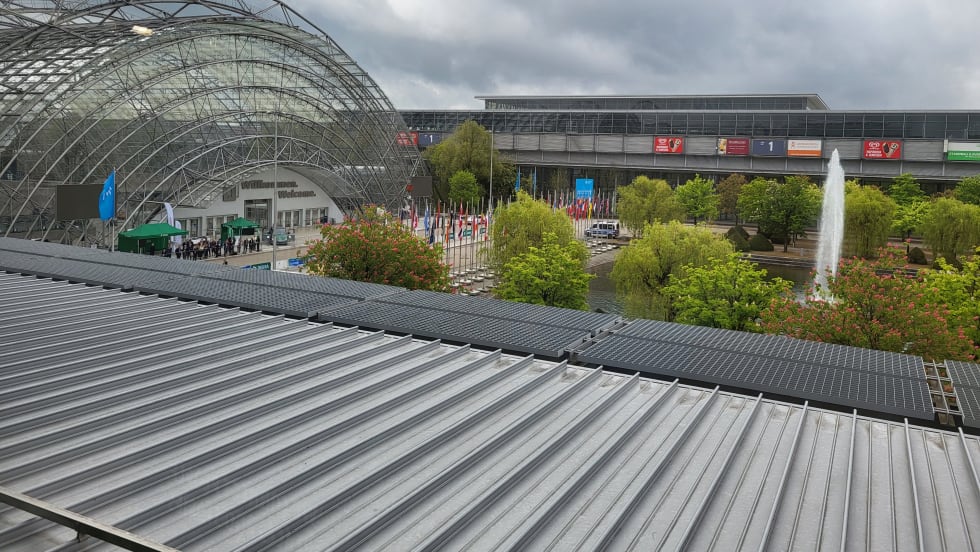
Inside ITF 2026: Transport Reacts to A Challenging World
Transport leaders from around the world gathered in Leipzig, Germany, for the 2026 International Transport Forum to discuss resilience, climate impacts, supply chains and the future of sustainable mobility.
Read More →
Every Ride Tells a Story — But You’re Not Just Selling the Ride
You’re selling the moment, the meaning, and the emotion behind it.
Read More →
How Digital Signage is Reshaping the Traveler Experience at Transportation Hubs
What was once a landscape of static signs has evolved into a responsive, immersive environment powered by real-time visual communication.
Read More →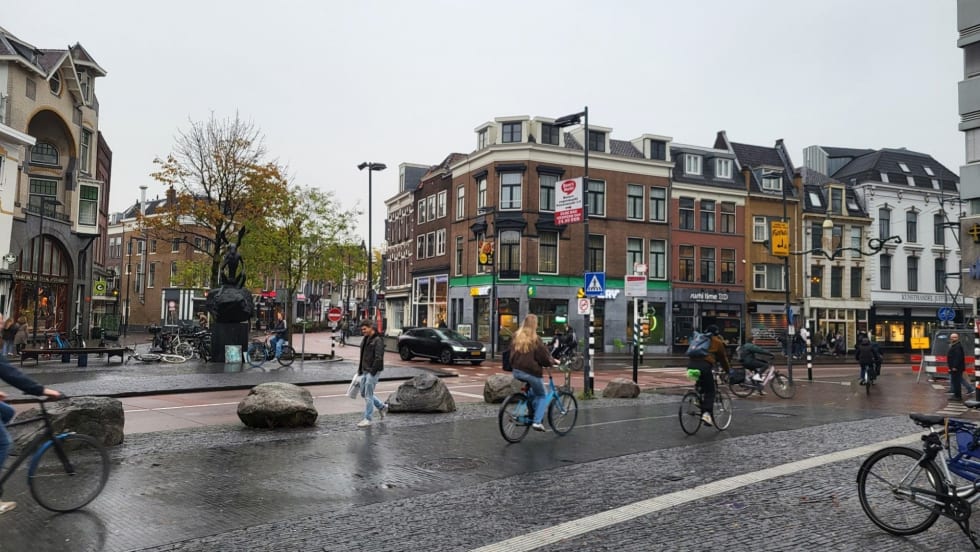
Latest Trends in Urban Mobility from Polis Conference 2025
Polis comprises cities and regions, as well as corporate partners, from across Europe, promoting the development and implementation of sustainable mobility. This year’s event had over a thousand attendees across various policy forums and an exhibition.
Read More →
Why Transit Leaders Require Better Tools for Operational Clarity In Today’s Tech-Fragmented Environment
Across North America and beyond, transit agency officials are contending with a perfect storm of operational headaches and strategic challenges that hamper daily service and long-term progress.
Read More →
The Powerless Brokers: Why California Can’t Build Transit
It is no secret that transit in the U.S. is slow and expensive to build.
Read More →
Why Transport Sustainability Should Focus on People Instead of Cars
Simply incentivizing electrification is not enough to make a meaningful impact; we must shift our focus toward prioritizing public transportation and infrastructure.
Read More →
Transit ROI & System Efficiencies Will Drive 'Big, Beautiful' Transit Funding
For many years, the narrative surrounding public transit improvements has been heavily weighted toward environmental gains and carbon reduction. While these are undeniably crucial long-term benefits, the immediate focus of this new funding environment is firmly on demonstrable system efficiencies and a clear return on investment.
Read More →