



APTA business members rise through the ranks
Many APTA business members have no idea of the unusual significance of Michael Melaniphy being selected to be the president of the association. Why is it so gratifying to business members? One need only know the history of the many years business members struggled just to be allowed to be members of the public transit association.

Many APTA business members have no idea of the unusual significance of Michael Melaniphy being selected to be the president of the association. Why is it so gratifying to business members? One need only know the history of the many years business members struggled just to be allowed to be members of the public transit association.
In the early years, before the merger of the American Transit Association (ATA) and the Institute for Rapid Transit (IRT), which formed APTA in 1975, businesses were banned from being members. Manufacturers, consulting organizations and transit suppliers had to request permission to have a hospitality suite in the same location where the transit convention was being held and were even barred from participating or attending sessions.
The two associations were sensitive as to how their organizations appeared to the Urban Mass Transportation Administration providing federal funding support. The restriction was the associations’ way of maintaining purity as a public organization. They feared business-for-profit organizations within its membership would taint their standing as representing public agencies seeking funding from the federal government.
The ban on accepting business organizations and suppliers as members continued until after 1975. A short time later, businesses were accepted as dues- paying members with very limited participation and no role in the governing structure of the transit association.
During the time businesses were banned, members of various large supplier organizations formed a committee that met once a year for the purpose of donating and providing the association’s annual meeting banquets with popular top names in entertainment and live dance bands. Representatives from companies such as General Motors, Westinghouse, Motorola and American Seating, to name a few, would hold their ad hoc meeting in the winter months of the year.
Still, businesses were not permitted as dues-paying members to participate in APTA leadership or committees. The number of suppliers in the association began to grow and the committee on entertainment tried its best to enlarge the ad hoc committee in order to increase the level of donations for the entertainment activity of the association. Much time was spent by committee members to convince supplier companies to join APTA. It was more difficult to plead with new business members to join and support the entertainment committee.
In 1979, a business member by the name of Bob Graham, an owner of a transit supplier business, became chairman of the committee of business members. He convinced the committee to become formally established as an active and vital working group within APTA, with officers and bylaws as an official organization. Furthermore, the new organization sought recognition and acceptance within APTA as a full participating business member organization. Ideas were floated and attempts were made at that time to form a transit supplier association outside of APTA.
Going it alone was debated heatedly for several years. The board realized they were not an industry unto themselves but that public transportation was the industry they served and there was more to gain for business members to support APTA in their effort with congressional funding needs. Graham’s plan suggested a unified public and private approach to federal public transportation legislation would be of greater benefit to both groups. It was criticized as being wishful thinking on the part of suppliers to think APTA would consider allowing business members to share in its governance.
When Jack Gillstrap became president of APTA, the writer of this post and a representative of a Long Island aircraft manufacturer asked for a meeting with Gillstrap to broach the desire of the AMBG to come full participants in APTA’s governing structure. The plan called for representation on the APTA’s governing body, the Executive Committee and other committees. Gillstrap opened the door to opportunities for AMBG to be represented on the Executive Committee with two members. At the continual urging of business members for the next 20 years, more progress was made by expanding more opportunities for business members to engage in the governance of APTA with more representation.
Meanwhile, what was known as the AMBG adopted a new identity as the Business Members Board of Governors (BMBG). When Bill Millar became president of APTA, the BMBG became increasingly more recognized as a vital role in the governance of the association. Representation on the Executive Committee was increased to three, a vice president position was opened to a business member, but business members were limited to sharing equally with the public sector in allotted positions, but not the chairmanship of APTA.
When Bill Millar announced his retirement, little did anyone think that a new president would be drawn from within APTA and certainly, in no way a member of the BMBG. After all the years of resisting business members from sharing in the governing structure of APTA, they made a giant leap and drew from the ranks of the BMBG business members by selecting Michael Melaniphy for the top position of APTA.
A remarkable achievement has been made by business members, but APTA is still the major public transportation association representing all public transportation agencies throughout the United States. Transit manufacturers, suppliers, consultants, and public transportation supporters are for good reason openly welcomed to APTA and encouraged to become fully involved. The position of president of APTA is a bonus that was never dreamed of.
More Blog Posts
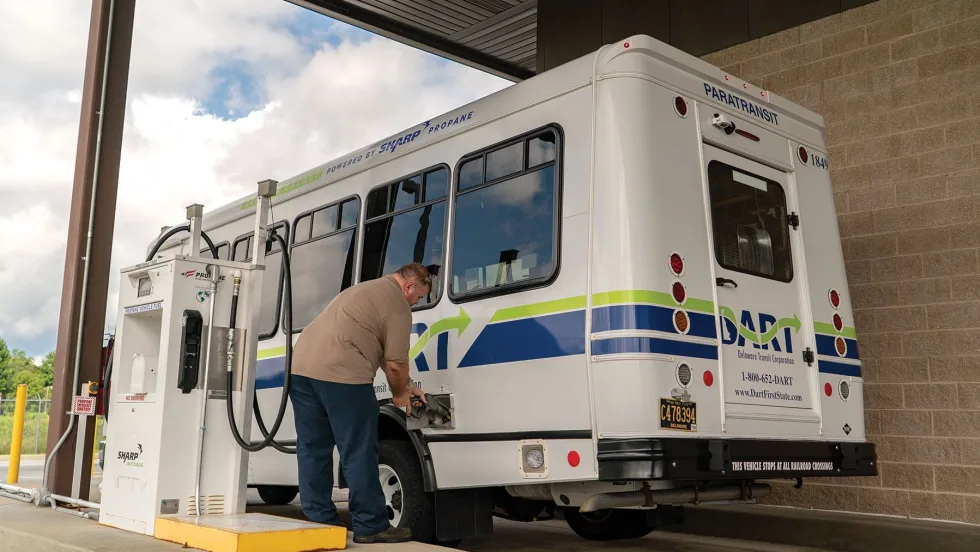
Building a Winning FTA Grant Proposal: Why Propane Autogas is the Pragmatic Choice for Fleet Resilience
With $610 million available through the FY 2026 Buses and Bus Facilities Competitive Program and the Low or No Emission Grant Program, agencies must build a compelling case before the September 21 deadline that balances environmental compliance with operational feasibility.
Read More →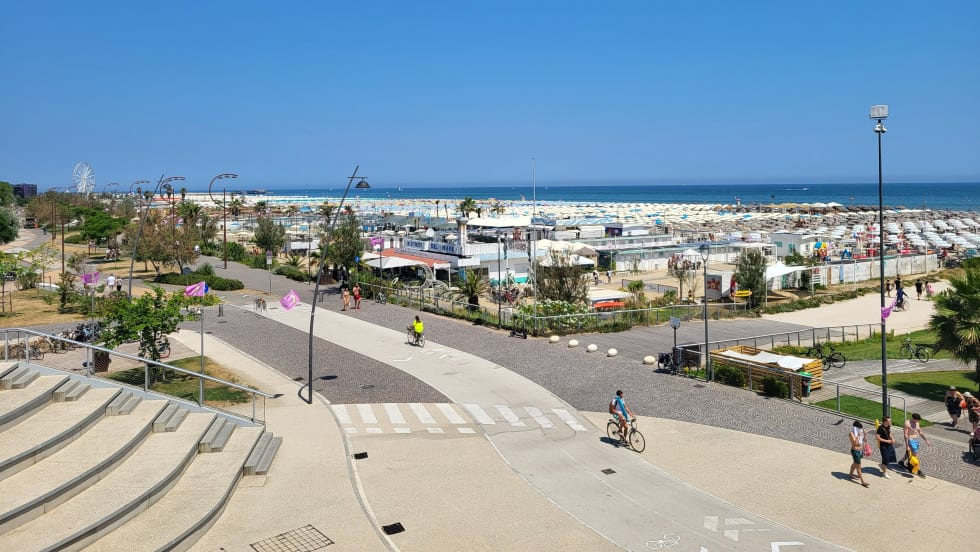
Velo-city Conference 2026: Latest Trends in Cycling as Part of Urban Mobility
The global cycling conference highlighted how cities are integrating bicycles into multimodal transportation networks, expanding cycle tourism and reshaping urban mobility.
Read More →
Kindness Isn’t Soft...It’s Strategic.
Mike Bismeyer — often known as “The Kindness Guy” — has spent more than 17 years in public transit and mobility, serving in industry leadership roles, speaking across North America, and advocating for stronger workplace cultures. But his message doesn’t come from theory. It comes from lived experience.
Read More →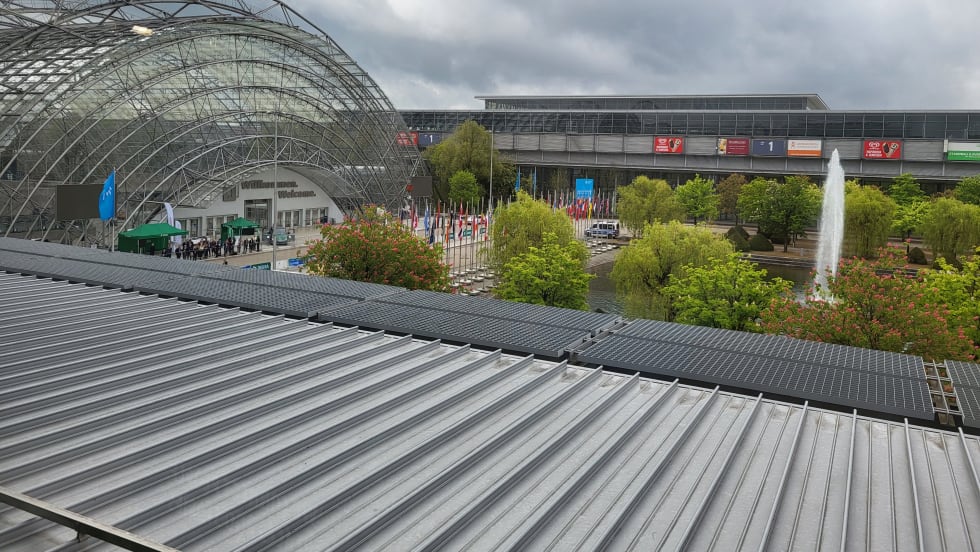
Inside ITF 2026: Transport Reacts to A Challenging World
Transport leaders from around the world gathered in Leipzig, Germany, for the 2026 International Transport Forum to discuss resilience, climate impacts, supply chains and the future of sustainable mobility.
Read More →
Every Ride Tells a Story — But You’re Not Just Selling the Ride
You’re selling the moment, the meaning, and the emotion behind it.
Read More →
How Digital Signage is Reshaping the Traveler Experience at Transportation Hubs
What was once a landscape of static signs has evolved into a responsive, immersive environment powered by real-time visual communication.
Read More →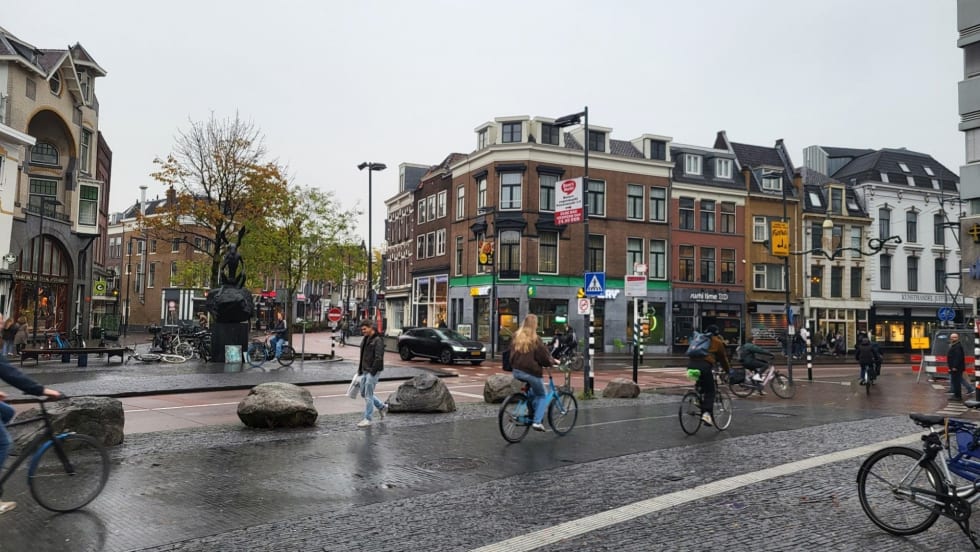
Latest Trends in Urban Mobility from Polis Conference 2025
Polis comprises cities and regions, as well as corporate partners, from across Europe, promoting the development and implementation of sustainable mobility. This year’s event had over a thousand attendees across various policy forums and an exhibition.
Read More →
Why Transit Leaders Require Better Tools for Operational Clarity In Today’s Tech-Fragmented Environment
Across North America and beyond, transit agency officials are contending with a perfect storm of operational headaches and strategic challenges that hamper daily service and long-term progress.
Read More →
The Powerless Brokers: Why California Can’t Build Transit
It is no secret that transit in the U.S. is slow and expensive to build.
Read More →
Why Transport Sustainability Should Focus on People Instead of Cars
Simply incentivizing electrification is not enough to make a meaningful impact; we must shift our focus toward prioritizing public transportation and infrastructure.
Read More →